Why the Ngorongoro Crater Has No Resident Giraffes
By Adeodatus
5 Minutes Read
The Ngorongoro Crater is often described as one of Africa's greatest natural wildlife sanctuaries. Within its towering volcanic walls, thousands of animals inhabit a remarkable landscape of open grasslands, freshwater springs, forests and wetlands. Lions, elephants, buffaloes, zebras and even the endangered black rhinoceros can all be encountered within this extraordinary ecosystem.
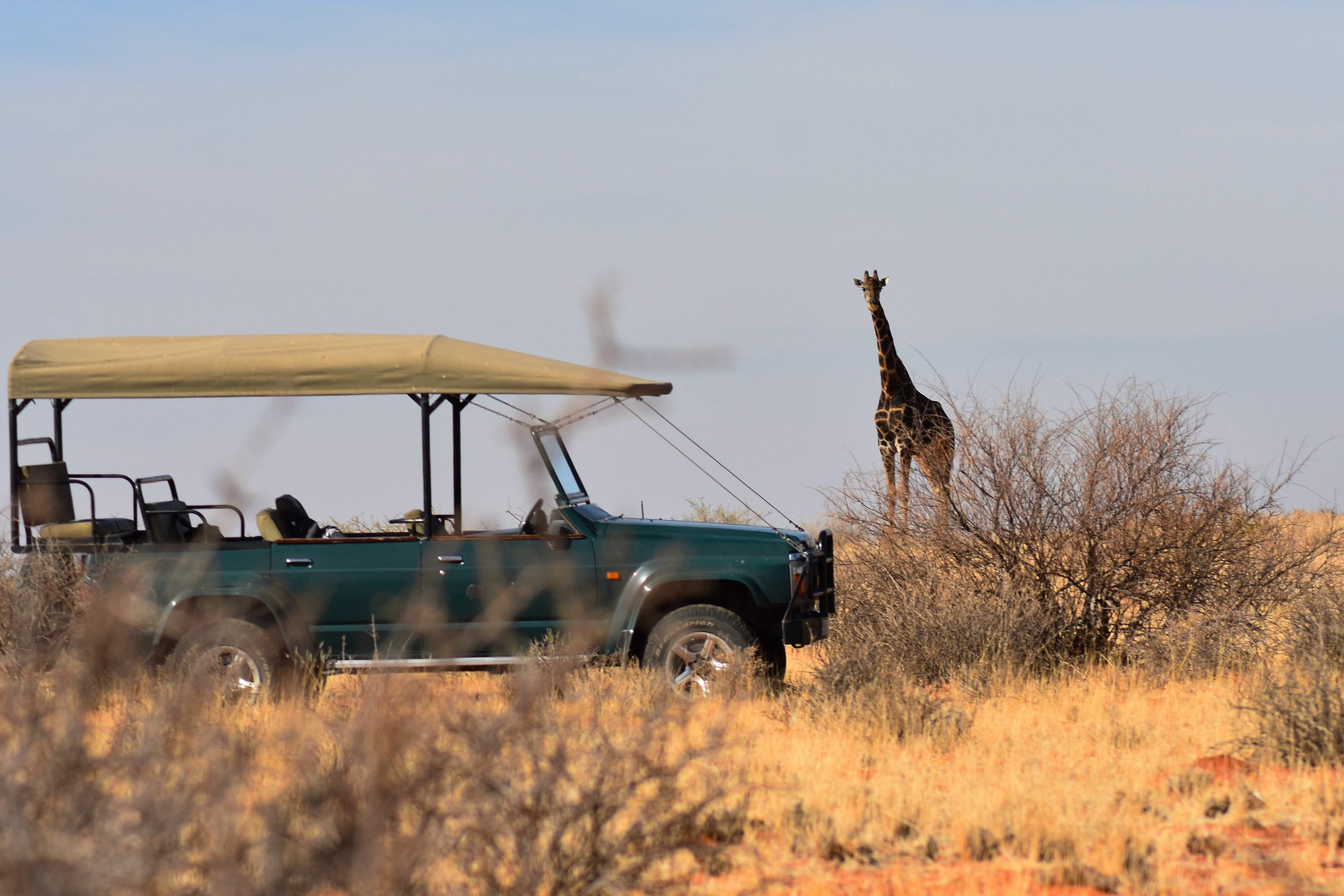
Yet one of Tanzania's most recognisable animals is noticeably absent from the crater floor: the giraffe. Despite being widespread throughout the surrounding Ngorongoro Conservation Area, giraffes do not maintain a resident population inside the crater. Their absence reveals a fascinating relationship between geography, vegetation and animal behaviour.
A Natural Enclosure Formed by Volcanic Activity
The Ngorongoro Crater was formed approximately two to three million years ago when a massive volcano collapsed, creating an enormous volcanic caldera. Today, the crater floor covers approximately 260 square kilometres and is surrounded by steep walls rising around 600 metres above it.
These natural boundaries create a distinctive environment that supports an exceptional concentration of wildlife. Permanent freshwater sources, fertile soils and diverse vegetation provide favourable conditions for many large mammals throughout the year.
However, the crater walls also influence how animals move between the crater floor and the surrounding highlands. While many species can navigate the slopes, the terrain presents greater challenges for certain animals, including giraffes.
Are the Crater Walls Too Steep for Giraffes?
One of the most widely accepted explanations for the absence of resident giraffes is the steepness of the crater walls.
Although giraffes are capable of navigating uneven terrain and moderate slopes, their long legs, considerable height and distinctive body structure make steep descents more challenging. The rugged terrain and sharp gradients of the crater walls may discourage them from regularly entering the crater.
Other large mammals, such as elephants and buffaloes, are better adapted to navigating these slopes and can move between the crater floor and surrounding areas.
However, geography alone does not fully explain the absence of giraffes. The crater is not completely inaccessible, and its physical boundaries are only one part of a more complex ecological explanation.
The Importance of Suitable Vegetation
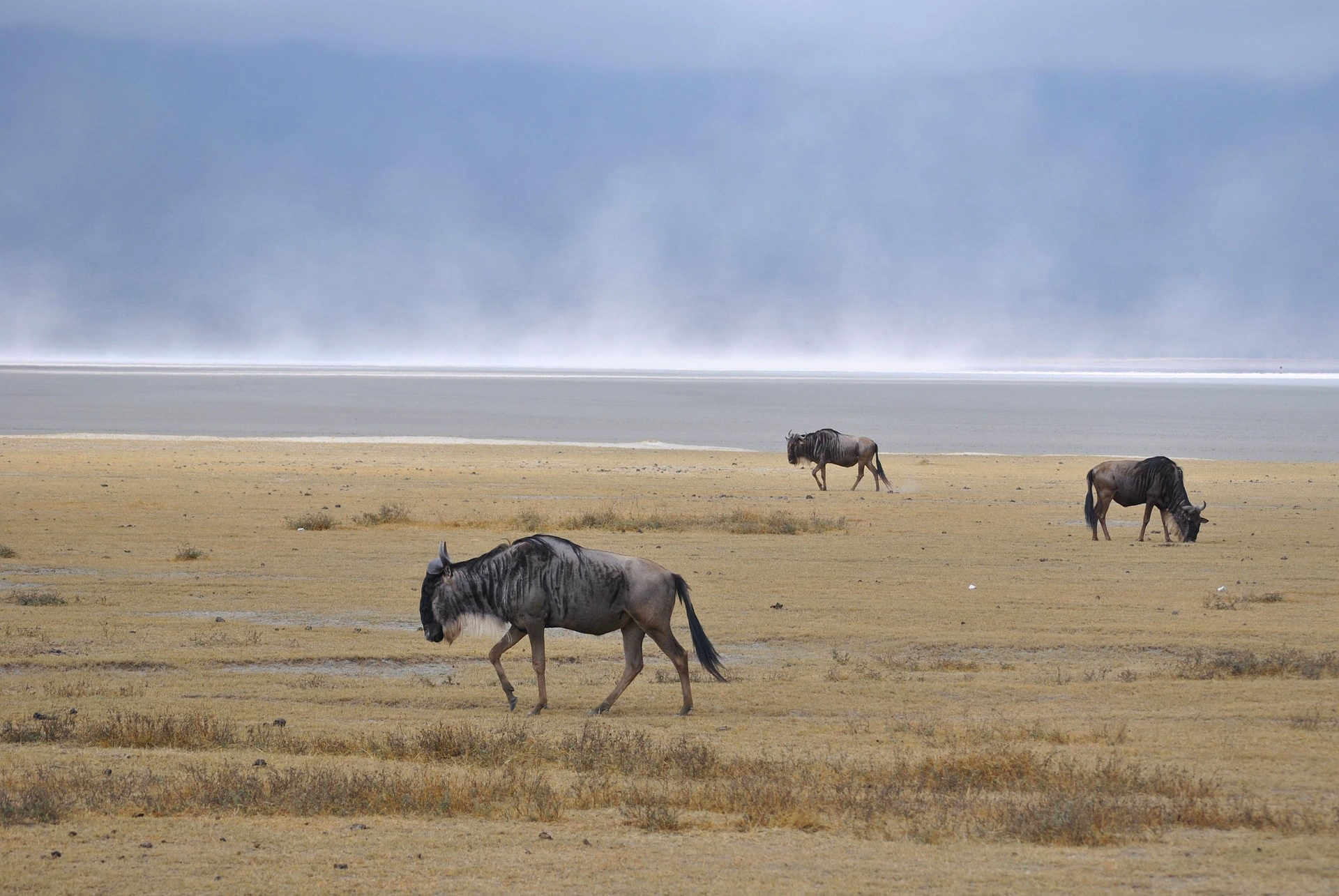
Unlike wildebeest, zebras and buffaloes, which primarily feed on grasses, giraffes are browsers. Their diet consists mainly of leaves, shoots, flowers and other vegetation obtained from trees and tall shrubs, particularly acacia species.
Much of the Ngorongoro Crater floor consists of open grasslands, providing excellent feeding grounds for grazing animals. Although wooded areas such as the Lerai Forest contain suitable vegetation, the availability and distribution of preferred browsing resources differ considerably from the surrounding savannahs and woodlands.
Outside the crater, giraffes have access to more extensive areas of suitable feeding habitat. These environments allow them to move freely between trees and shrubs as food availability changes throughout the seasons.
The combination of challenging terrain and more favourable feeding conditions elsewhere likely contributes to their absence as permanent residents of the crater.
Where Can You See Giraffes Around Ngorongoro?
Although giraffes are not normally encountered on the crater floor, they can be seen throughout other parts of the Ngorongoro Conservation Area.
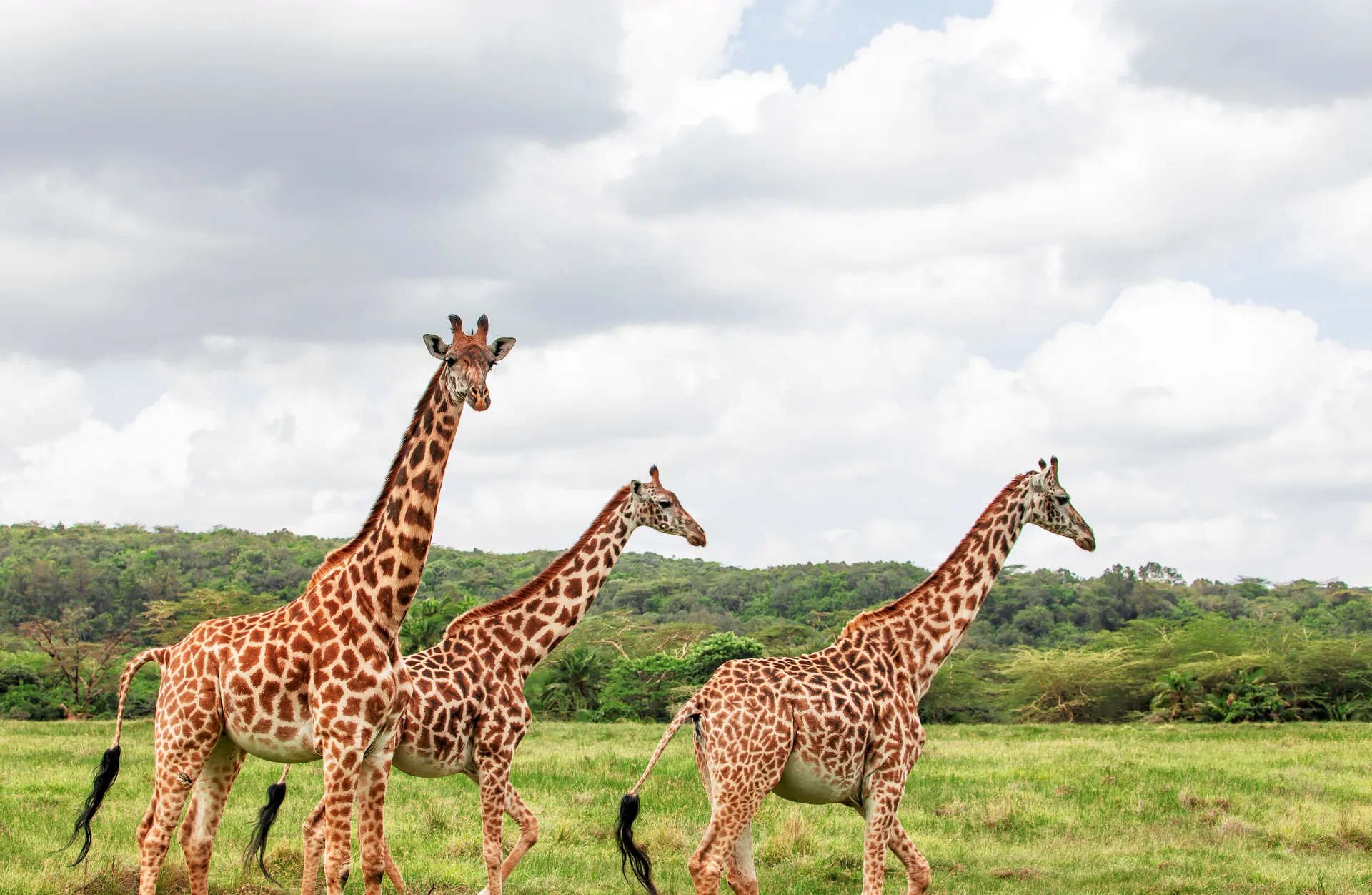
The open woodlands and savannahs surrounding the crater provide suitable habitats for the Masai giraffe, a subspecies distinguished by its irregular, jagged coat patterns.
Travellers exploring the wider conservation area or continuing towards Serengeti National Park may encounter giraffes browsing among acacia trees, crossing open plains or moving through scattered woodlands.
Tarangire National Park, Lake Manyara National Park and the Serengeti are also excellent destinations for observing giraffes in their natural habitats.
An Ecosystem Unlike Any Other
The absence of resident giraffes is just one example of the ecological characteristics that make the Ngorongoro Crater so distinctive.
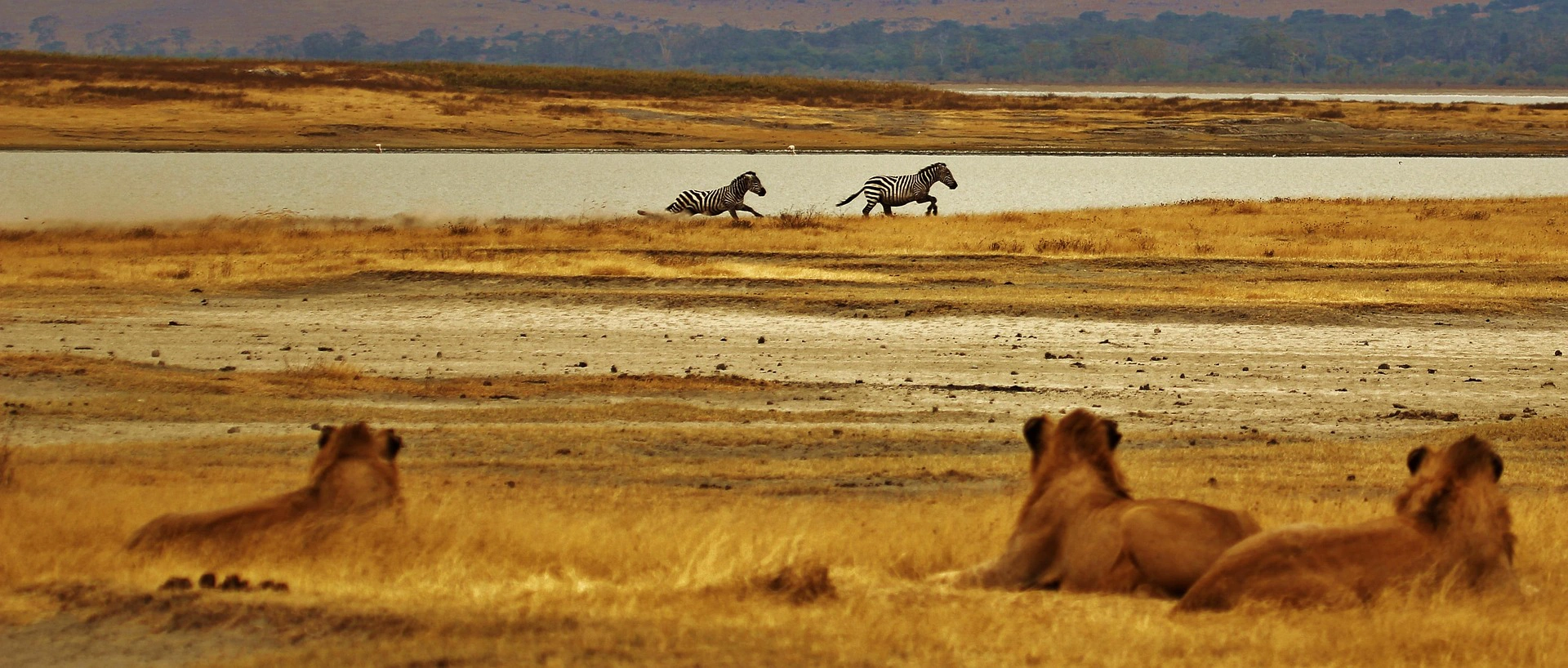
The crater supports an extraordinary concentration of grazing animals, which in turn sustain populations of predators such as lions and spotted hyenas. Its wetlands attract hippos and numerous bird species, while its wooded areas provide shelter and feeding opportunities for elephants and other mammals.
Despite its relatively compact size, the crater contains several interconnected habitats, each supporting different wildlife communities. However, an abundance of wildlife does not necessarily mean that every species found in the surrounding region will thrive within its boundaries.
The distribution of animals is shaped by a combination of food availability, terrain, water sources, competition and natural behaviour. Ngorongoro offers a remarkable opportunity to observe these ecological relationships within a single landscape.
Discovering Tanzania's Ecological Diversity
Understanding why certain animals inhabit particular environments adds another dimension to the safari experience. Rather than simply searching for wildlife, visitors can begin to appreciate the natural processes that influence where animals live, feed and move.
Combining the Ngorongoro Crater with destinations such as Tarangire and the Serengeti allows travellers to experience contrasting ecosystems and observe a greater diversity of wildlife.
At Serengeti Steppe, we believe that a memorable safari is about more than wildlife sightings. It is also an opportunity to understand the landscapes, animal behaviour and ecological relationships that make Tanzania one of the world's most extraordinary wildlife destinations.
Explore Similar Stories
•
Which Serengeti is Yours? A Guide to Central, Northern and Southern Serengeti
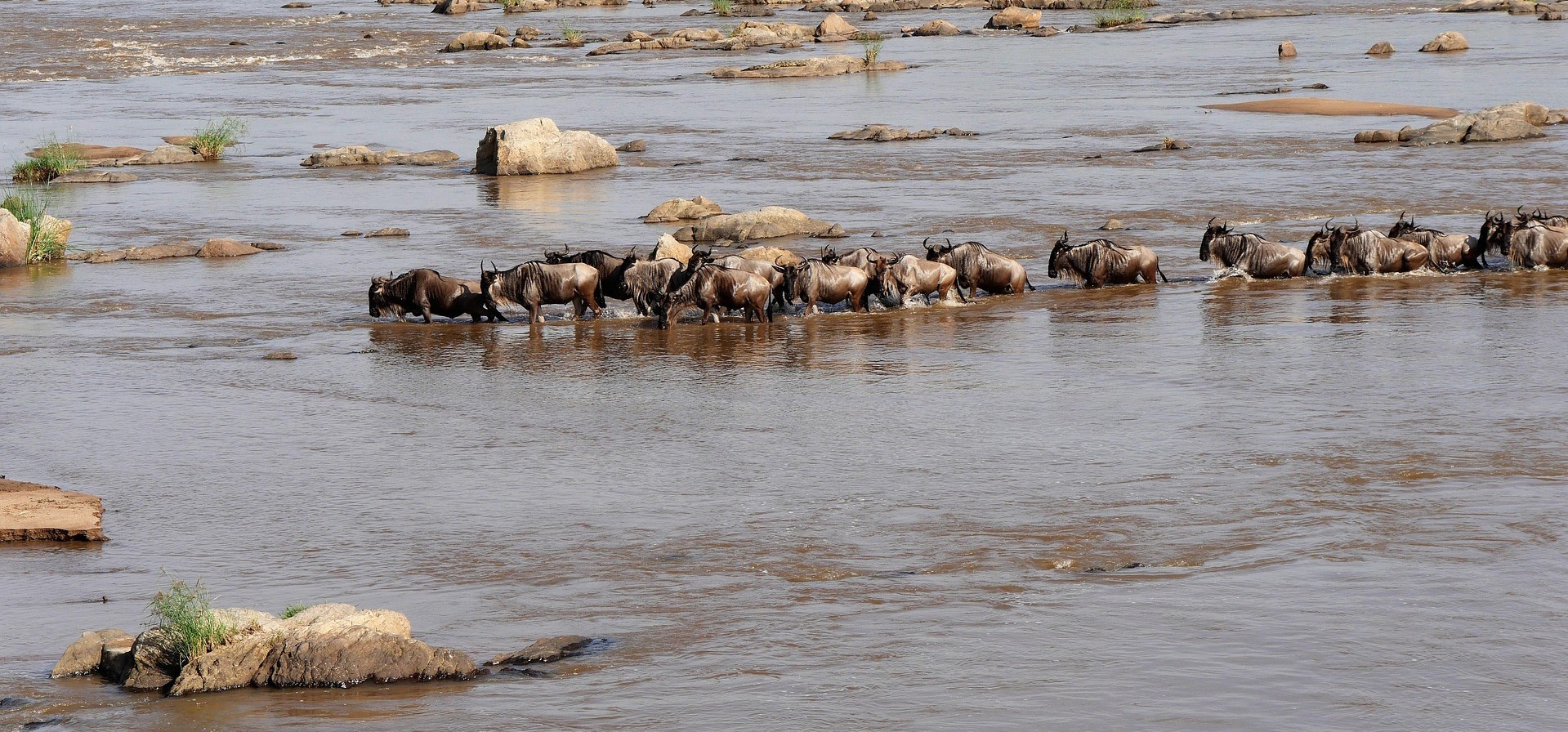
Choosing the right Serengeti region can shape your safari. Compare Central Serengeti’s year-round wildlife, Northern Serengeti’s Mara River crossings and Southern Serengeti’s calving season to find the best fit for your travel dates.
By Adeodatus
•
Best Time to Visit Tanzania for Safari (Month by Month Guide)
Tanzania does not switch on and off. It transforms. The plains change color. The migration shifts direction. Predators adapt. Rain reshapes the landscape. What is “best” depends entirely on what kind of safari you want to experience.
By Adeodatus
Where This Story Takes You
Ngorongoro Crater
The Ngorongoro Conservation Area, a UNESCO World Heritage Site, is a unique and breathtaking natural wonder in northern Tanzania. It is home to the stunning Ngorongoro Crater, the world's largest intact and unfilled volcanic caldera. This natural enclosure provides a haven for an incredible density of wildlife, including the "Big Five" (lion, leopard, elephant, buffalo, and black rhino). The crater floor's diverse habitats, from grasslands to acacia forests, support a thriving ecosystem where visitors can witness an unparalleled concentration of animals in their natural habitat, offering a truly unforgettable safari experience.Beyond the famous crater, the Ngorongoro Conservation Area is a vast landscape of savannas, woodlands, and highland forests. This expansive area is not only a wildlife sanctuary but also a crucial site for human history and cultural heritage. It is here that the Olduvai Gorge, often called the "Cradle of Mankind," is located. This significant archaeological site has yielded some of the earliest evidence of human evolution, making it a pivotal location for understanding our origins. The conservation area's dual focus on wildlife and human heritage makes it a place of profound scientific and cultural importance.What sets the Ngorongoro Conservation Area apart is its unique model of conservation, which allows for a harmonious coexistence between wildlife and the Maasai people, who have traditionally grazed their livestock in the area for centuries. This innovative approach ensures that the land is protected for both its ecological value and its cultural significance. Visitors have the opportunity to engage with the Maasai communities, gaining insight into their traditional way of life and a deeper appreciation for the rich cultural tapestry of the region. A visit to Ngorongoro offers a powerful blend of spectacular natural beauty, incredible wildlife viewing, and a deep connection to human history and living cultures.
The Serengeti
The Serengeti is a vast natural wonder in northern Tanzania, stretching as far as the eye can see. Its name comes from the Maasai word "Siringet", meaning endless plains, a fitting description for its rolling grasslands and open skies. Covering nearly 15,000 square kilometers, the Serengeti is home to Africa’s largest and most diverse wildlife populations, making it one of the world’s greatest game drive destinations.A Year-Round Wildlife ParadiseEvery season in the Serengeti offers something unique. The dry months from June to October bring incredible wildlife viewing as animals gather around scarce water sources, while the green season transforms the park into a lush haven, alive with birdlife and newborn animals. Whether you’re spotting a pride of lions in the golden morning light or watching giraffes move gracefully across the plains, the Serengeti always delivers unforgettable moments.Witness the Great Wildebeest MigrationOne of nature’s most dramatic events, the Great Migration, unfolds across the Serengeti and the Masai Mara in Kenya. Over 1.5 million wildebeest, accompanied by thousands of zebras and gazelles, move in a circular route each year in search of fresh grazing. From river crossings in the north, where crocodiles wait below, to the calving season in the southern plains, every stage of this journey tells a story of survival and resilience.