Which Serengeti is Yours? A Guide to Central, Northern and Southern Serengeti
By Adeodatus
4 Minutes Read
Serengeti National Park is vast, and no two parts of it feel quite the same. Choosing the right area can shape your safari completely: you may want year-round predator sightings, dramatic Mara River crossings or the unforgettable spectacle of the wildebeest calving season.
The best region depends on when you travel and what you hope to see. Here is a simple guide to Central, Northern and Southern Serengeti.
Central Serengeti: the classic, year-round safari
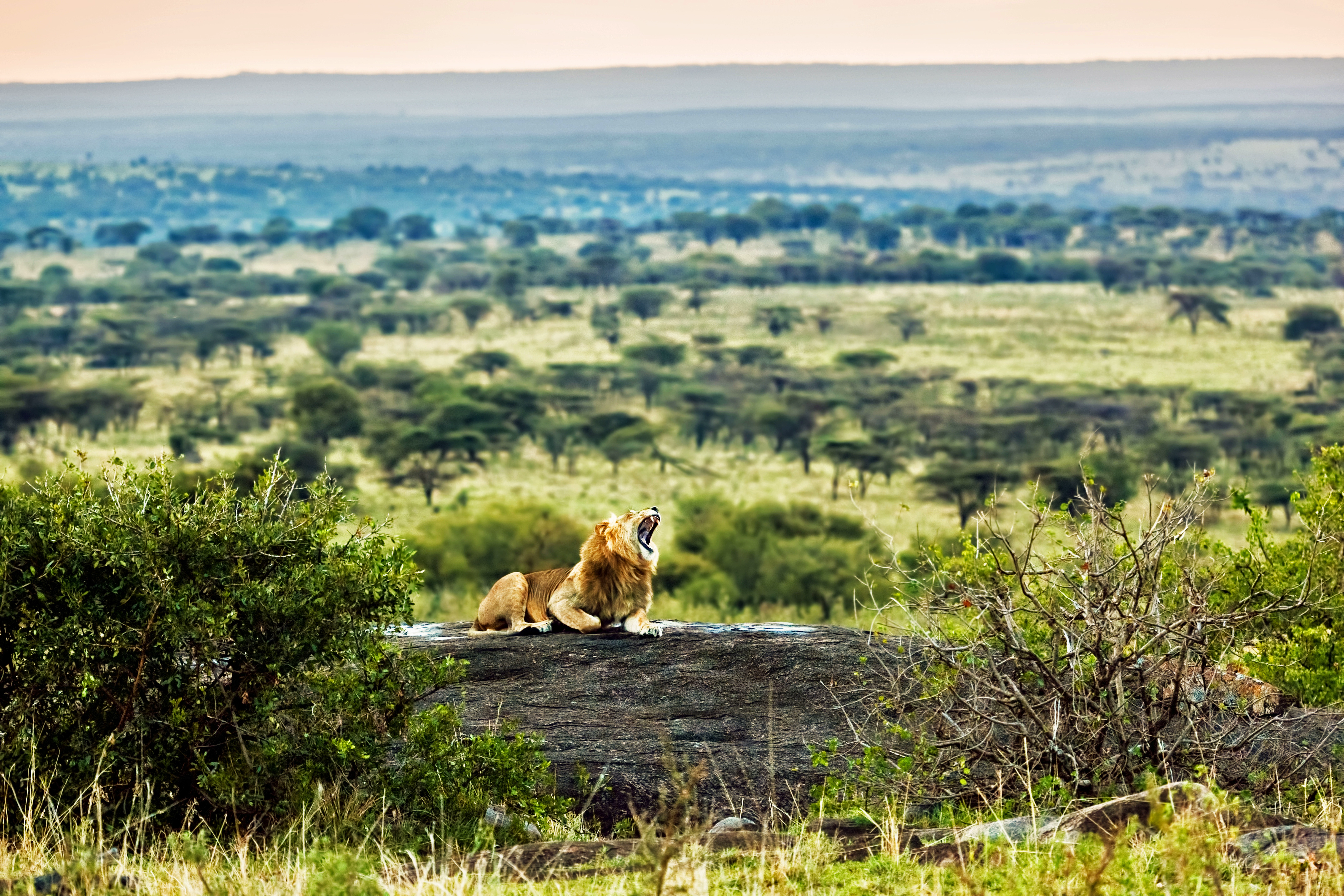
Central Serengeti, often called Seronera, is the best choice for travellers who want reliable wildlife viewing at almost any time of year. Its rivers, kopjes and grasslands support resident wildlife throughout the seasons, including lions, leopards, cheetahs, elephants, giraffes, hippos and large herds of plains game.
This area is particularly known for big-cat sightings. The Seronera River Valley provides water year-round, attracting wildlife even when the migration herds are elsewhere. It is also one of the most convenient places to stay, with a wide selection of lodges and tented camps, as well as regular flight access through Seronera Airstrip.
Choose Central Serengeti if this is your first Tanzania safari, if your travel dates are fixed, or if you want a balanced mix of classic scenery, wildlife and comfortable safari logistics.
Best for: Year-round wildlife, big cats, first-time safaris and flexible travel dates.
Northern Serengeti: the drama of the Mara River
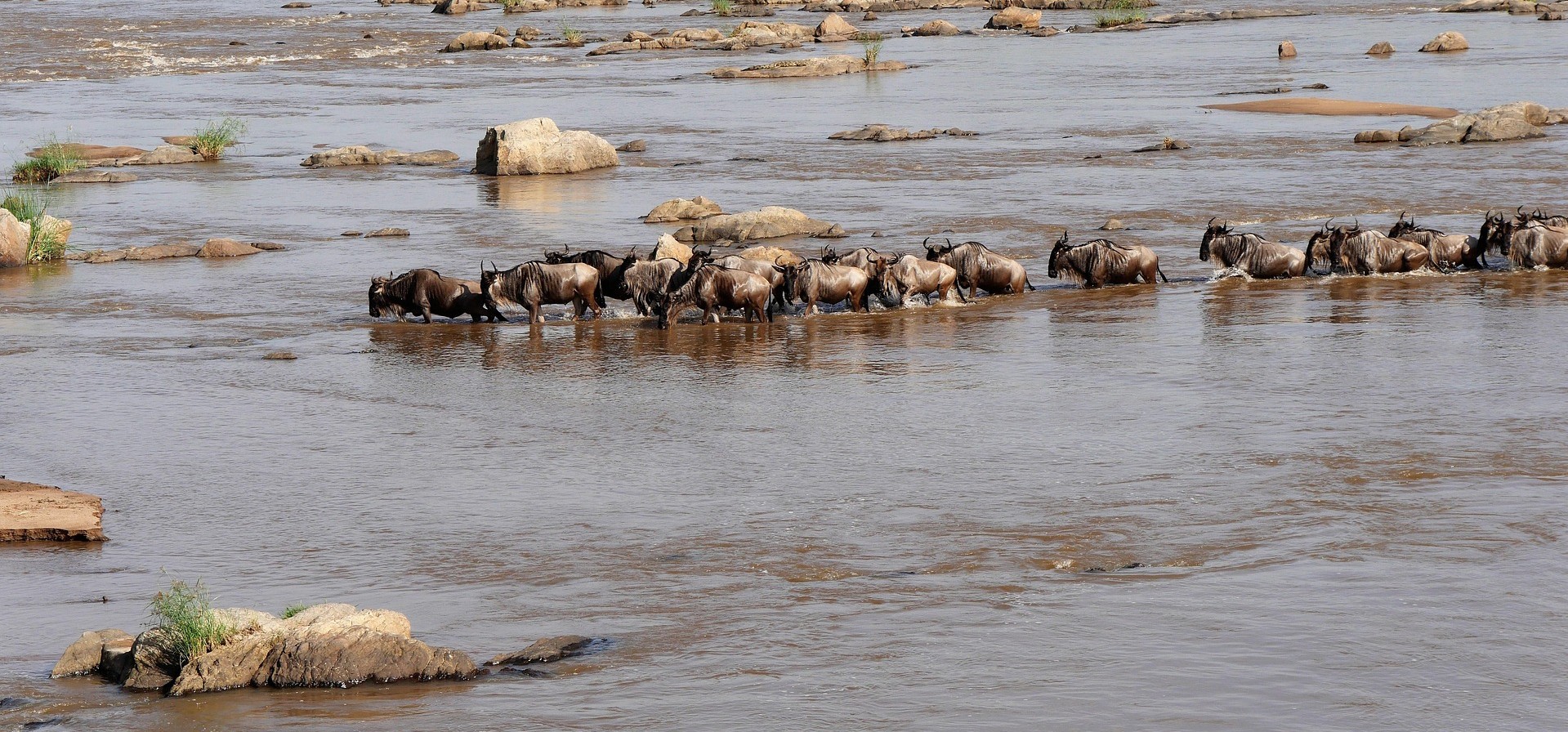
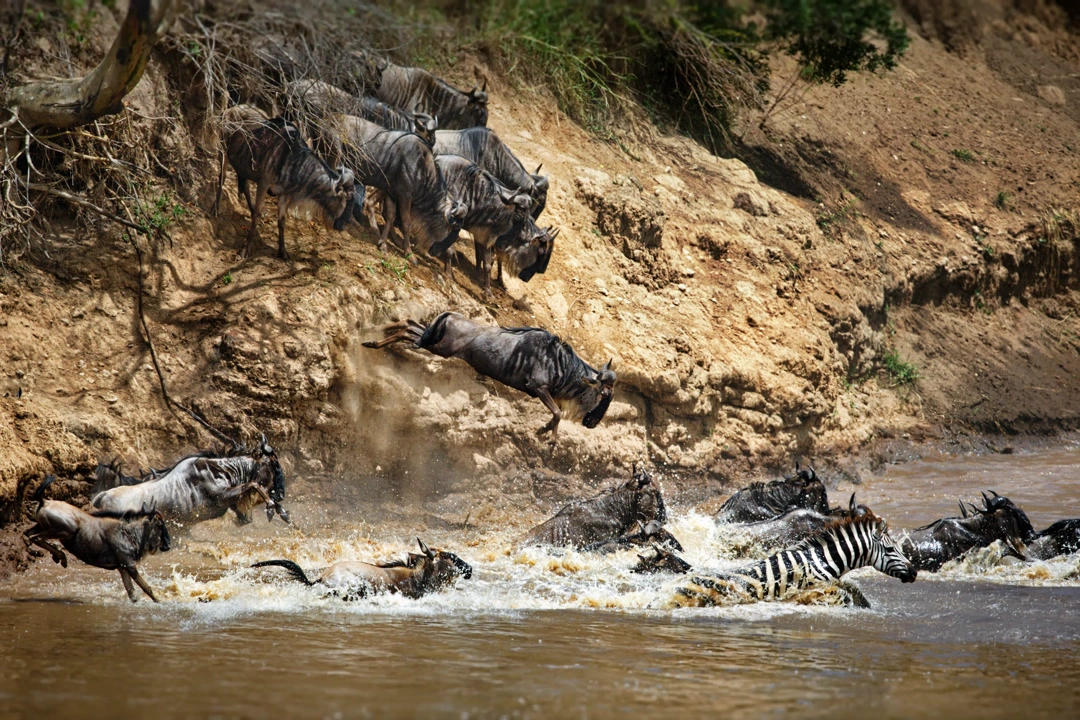
Northern Serengeti is wilder, more remote and especially famous for the Great Migration’s Mara River crossings. Between roughly July and October, vast herds of wildebeest and zebras gather near the river as they move between Tanzania and Kenya’s Maasai Mara.
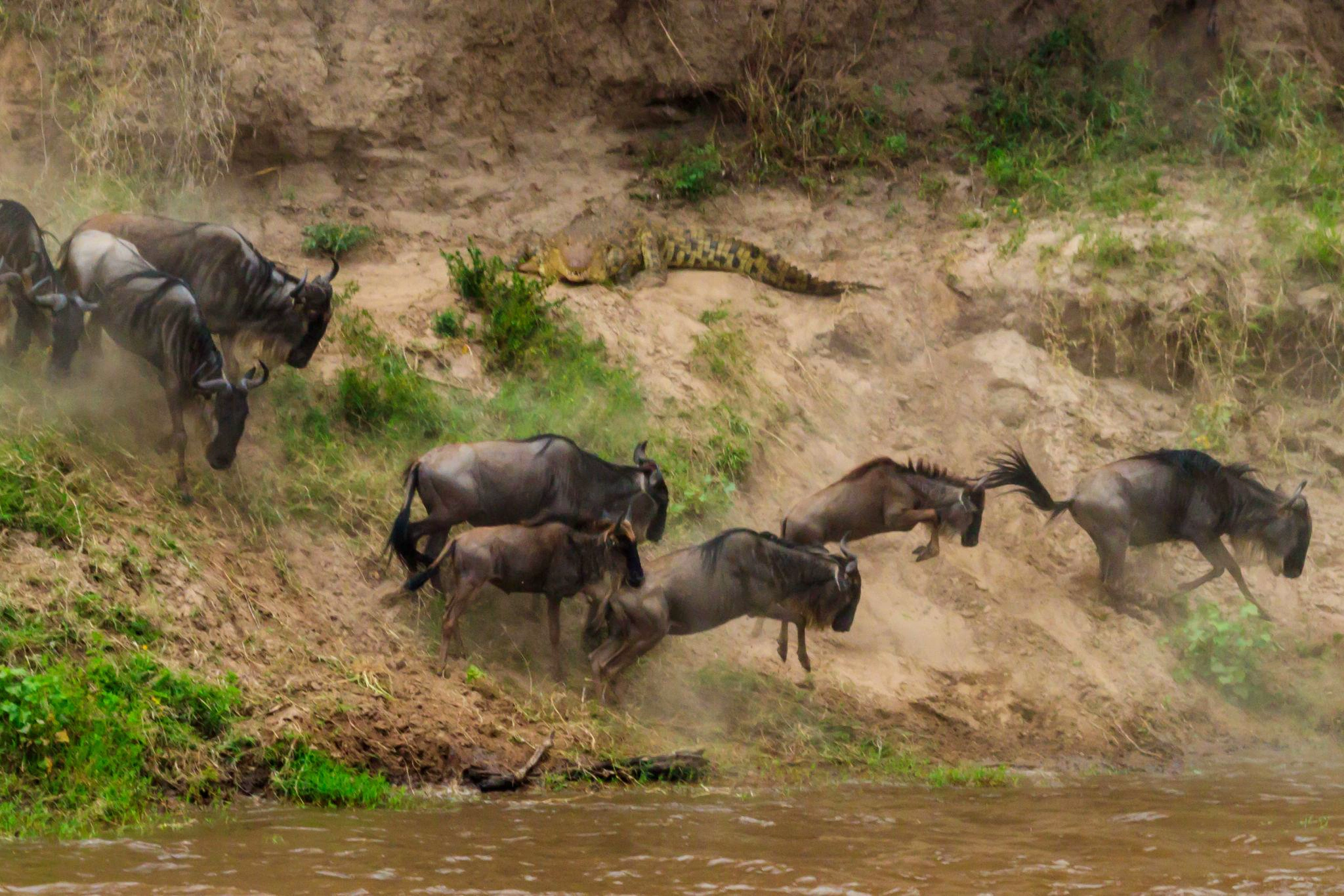
A river crossing is never guaranteed. The herds may wait for hours or days before deciding to cross, and the timing is entirely determined by rainfall, grazing conditions and animal behaviour. But when it happens, it is one of nature’s most powerful spectacles: thousands of animals surging into crocodile-filled water while predators watch from the banks.
Even outside the main crossing period, Northern Serengeti remains rewarding. The rolling hills, granite outcrops, riverine forest and open plains are home to elephants, lions, leopards, cheetahs and varied birdlife. Its quieter, more exclusive feeling appeals to travellers who want to escape the busier central areas.
Best for: Mara River crossings, migration safaris from July to October, photographers and travellers seeking a remote wilderness experience.
Southern Serengeti: the beginning of new life
Southern Serengeti and the neighbouring Ndutu plains are at their most remarkable during the green season, generally from December to March. Seasonal rains transform the short-grass plains into rich grazing land, drawing enormous herds of wildebeest, zebras and gazelles.
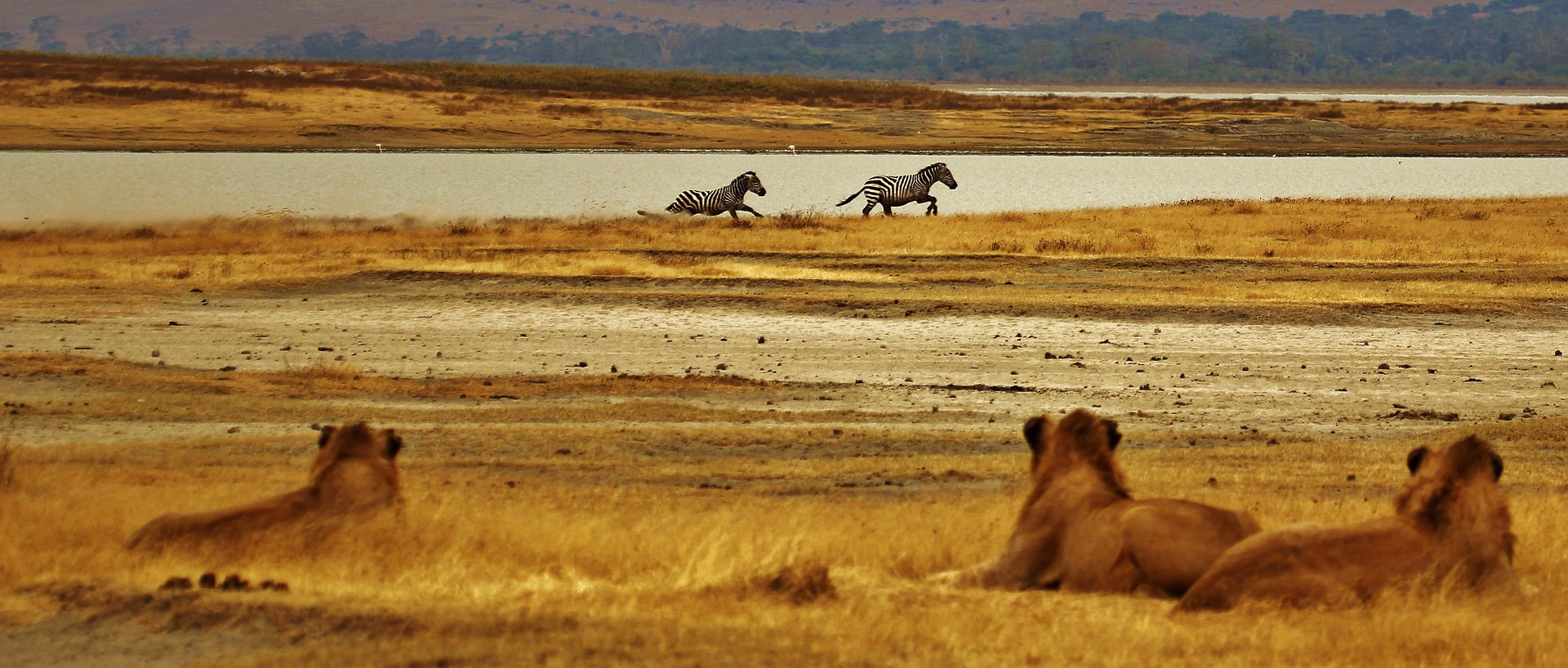
This is the calving season. Usually peaking around January and February, hundreds of thousands of wildebeest calves are born across the plains in a short period. The abundance of young animals attracts predators such as lions, cheetahs, hyenas and leopards, creating exceptional opportunities to witness the natural rhythms of the ecosystem.
Southern Serengeti is not only about action. The landscapes are expansive, green and beautiful, with dramatic skies and fewer vehicles than in the peak dry-season months. It is a wonderful choice for travellers who want the migration experience without focusing on river crossings.
Best for: Wildebeest calving season, predator action, green landscapes, photography and travel from December to March.
So, which Serengeti is right for you?
If you want an all-round safari with excellent wildlife viewing, choose Central Serengeti. If you dream of seeing the Great Migration cross the Mara River, travel to Northern Serengeti between July and October. If you want to witness new life on the plains and see the migration during calving season, choose Southern Serengeti or Ndutu between December and March.
The migration is a natural event, not a fixed timetable, so wildlife movements can change with rainfall. At Serengeti Steppe, we help you choose the right region, accommodation and route for your travel dates—so you can experience the Serengeti at its very best.
Explore Similar Stories
•
Best Time to Visit Tanzania for Safari (Month by Month Guide)
Tanzania does not switch on and off. It transforms. The plains change color. The migration shifts direction. Predators adapt. Rain reshapes the landscape. What is “best” depends entirely on what kind of safari you want to experience.
By Adeodatus
•
Is August the Best Month for a Serengeti Safari?
In practical terms, August sits at the center of Tanzania’s dry season and at one of the most dramatic stages of the Great Migration.
By Adeodatus
Where This Story Takes You
The Serengeti
The Serengeti is a vast natural wonder in northern Tanzania, stretching as far as the eye can see. Its name comes from the Maasai word "Siringet", meaning endless plains, a fitting description for its rolling grasslands and open skies. Covering nearly 15,000 square kilometers, the Serengeti is home to Africa’s largest and most diverse wildlife populations, making it one of the world’s greatest game drive destinations.A Year-Round Wildlife ParadiseEvery season in the Serengeti offers something unique. The dry months from June to October bring incredible wildlife viewing as animals gather around scarce water sources, while the green season transforms the park into a lush haven, alive with birdlife and newborn animals. Whether you’re spotting a pride of lions in the golden morning light or watching giraffes move gracefully across the plains, the Serengeti always delivers unforgettable moments.Witness the Great Wildebeest MigrationOne of nature’s most dramatic events, the Great Migration, unfolds across the Serengeti and the Masai Mara in Kenya. Over 1.5 million wildebeest, accompanied by thousands of zebras and gazelles, move in a circular route each year in search of fresh grazing. From river crossings in the north, where crocodiles wait below, to the calving season in the southern plains, every stage of this journey tells a story of survival and resilience.
Central Serengeti
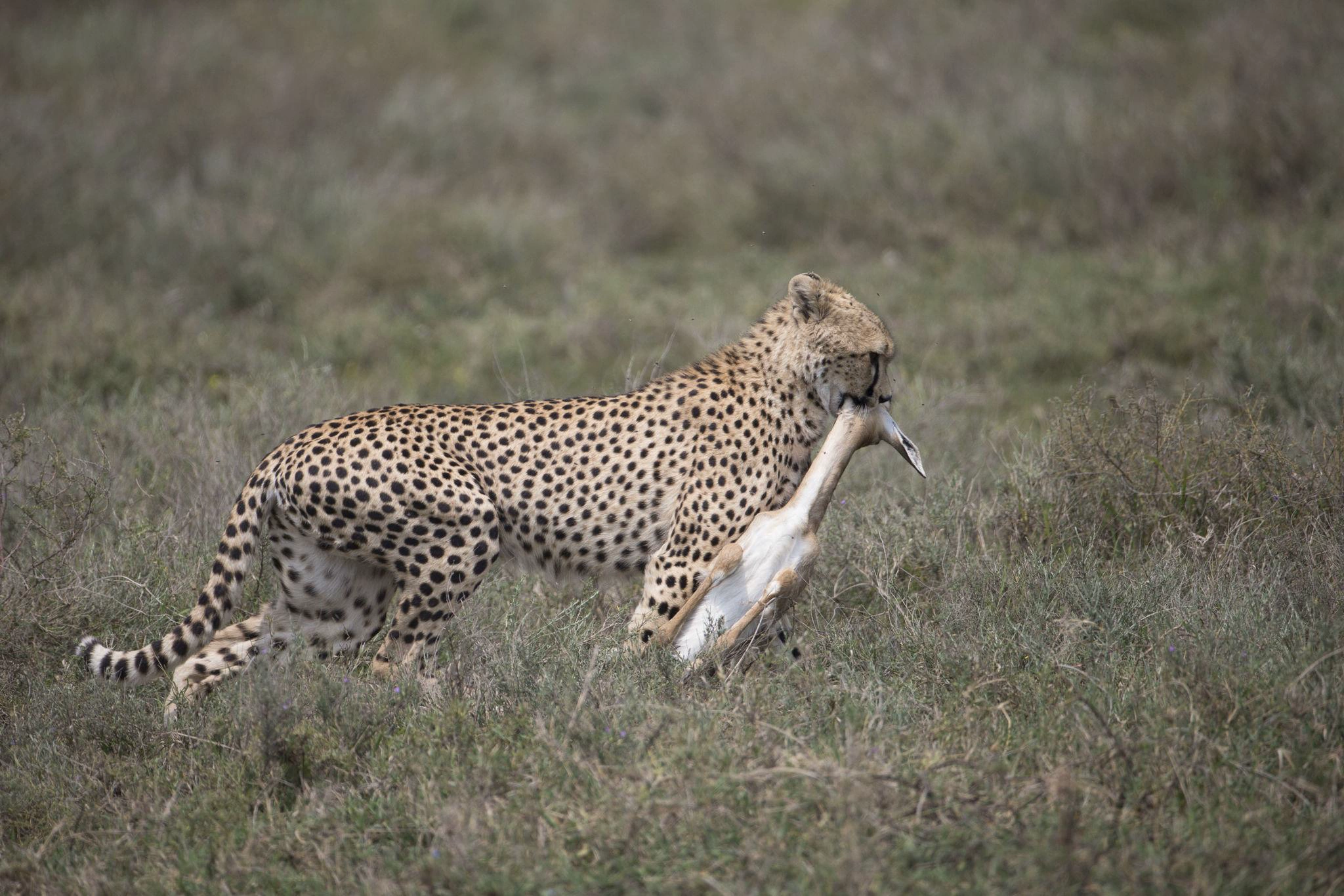
The Central Serengeti forms the wildlife core of the wider Serengeti National Park, celebrated for its year-round game viewing and extraordinary density of big cats. Anchored around the Seronera River system, this region remains productive in every season, making it a strategic base for migration safaris and classic wildlife journeys alike.For Serengeti Steppe Travels itineraries, the Central Serengeti is where tracking skills shine. Whether the Great Migration is passing through or resident herds dominate the plains, daily game drives focus on predator territories, water sources, and granite outcrops that concentrate animal activity.Landscape & Ecological RichnessThe scenery here defines the Serengeti in most travelers’ imaginations. Endless grasslands ripple toward the horizon, interrupted by rocky kopjes rising abruptly from the plains and ribbons of green riverine woodland following seasonal streams.These contrasting habitats support a permanent wildlife population. Elephants move between watercourses and open grazing areas. Buffalo gather in massive herds. Giraffes browse acacia trees while hippos wallow in muddy pools. The mosaic of terrain ensures that even in quieter migration months, game viewing remains exceptional.Central Serengeti & the Great MigrationAt different times of year, the Great Migration sweeps through or skirts the Central Serengeti as hundreds of thousands of wildebeest and zebra follow rainfall patterns and fresh grass growth.When herds are present, the plains become thick with movement and dust clouds stretch across the horizon. Predators respond immediately, with lions establishing hunting territories near major crossing routes and cheetahs stalking the edges of migrating columns. Even when the migration has shifted north or south, the resident prey base continues to attract large carnivores, ensuring productive drives regardless of season.Big Cats, Daily Drama & Classic Safari ScenesFew places in Africa rival the Central Serengeti for consistent predator sightings. Lion prides dominate kopjes and riverbanks. Cheetahs use the open flats to sprint after gazelle and young wildebeest. Leopards drape themselves across acacia branches near dry riverbeds, often revealed only by a flicking tail or shadow in the leaves.Hyenas patrol at dusk and dawn, while jackals and vultures follow kills. Because wildlife is so concentrated around water and hunting grounds, full-day drives here often involve little long-distance driving, allowing guests to linger with sightings and watch natural behavior unfold over time.Why the Central Serengeti Is Essential on a Migration SafariIncluding the Central Serengeti is about balance and flexibility. It anchors the safari between northern and southern sectors. It provides reliable game viewing if herd movements shift unexpectedly. It allows guides to adapt routes each morning without relocating camps.For Serengeti Steppe Travels, camps in this region are chosen for access to prime predator corridors and river systems so guests can reach active areas quickly at sunrise, when cats are hunting and plains species stream toward water.
Northern Serengeti
The Northern Serengeti is widely regarded as the most dramatic sector of the greater Serengeti National Park during migration season. Defined by sweeping open plains, wooded riverbanks, and the powerful Mara River system, this remote region becomes the stage for one of nature’s greatest spectacles when vast herds of wildebeest and zebra surge north in search of fresh grazing.For travelers planning a migration-focused safari with Serengeti Steppe Travels, the Northern Serengeti is selected specifically for its proximity to river corridors and herd bottlenecks. Staying in this region allows guests to dedicate full days to tracking animal movement rather than spending hours repositioning between distant sectors.Landscape, Rivers & Wildlife DensityThe terrain in the north differs noticeably from the flatter central plains. Rolling grasslands stretch between granite outcrops, while thick ribbons of riverine forest line permanent watercourses. These rivers draw animals year-round, supporting large populations of elephant, buffalo, giraffe, hippo, leopard, and countless plains species even outside peak migration months.During the dry season, when grass thins elsewhere, the river systems become natural gathering points. Herds mass along the banks, predators shadow their movements, and safari vehicles linger quietly as guides scan for signs of imminent crossings.The Great Migration in the Northern SerengetiFrom mid-year into early autumn, depending on rainfall patterns, the Northern Serengeti frequently hosts the highest concentrations of migrating animals in Tanzania. Hundreds of thousands of wildebeest and zebra arrive in long, dust-filled columns, often hesitating for days at river edges before plunging into fast-moving water.These moments are what define this region. Crocodiles patrol deep channels. Lions and hyenas wait near exit points. Vultures circle overhead. The tension builds slowly, sometimes for hours, before the sudden explosion of movement when the first animals leap into the current. Guides rely on tracking, radio communication, and experience to position vehicles where activity is most likely, understanding that patience is essential when following natural events rather than scripted scenes.Predator Encounters & Photographic OpportunitiesBecause prey numbers swell dramatically during migration season, predator sightings in the Northern Serengeti are exceptional. Large lion prides dominate river corridors, cheetahs hunt across the open flats, and leopards stalk shaded trees along drainage lines. Spotted hyenas are ever-present, often trailing the herds from dusk until dawn.The open terrain and dramatic skies make this one of Tanzania’s most rewarding areas for photography. Early mornings and late afternoons provide golden light across riverbanks and plains, while dust clouds kicked up by moving herds add scale and atmosphere to wildlife scenes.Why the Northern Serengeti Is Essential on a Migration SafariIncluding the Northern Serengeti in a Great Migration itinerary is about strategy rather than geography. It places travelers where herd movement naturally concentrates. It reduces wasted driving time between distant ecosystems. It allows guides to follow fresh tracks each morning and respond quickly when crossings begin. It offers a more remote and exclusive safari atmosphere compared with busier central zones during peak periods.For Serengeti Steppe Travels, camps in this region are chosen for early access to active wildlife corridors so guests can be on the scene at first light, when predators hunt and herds move toward water.