Tanzania Safari Circuits Explained: Northern, Southern, and Western Routes

Safari Details
A safari in Tanzania is not a single standardized experience. The country is divided into distinct safari circuits, each shaped by geography, wildlife density, access logistics, and seasonal patterns.
Understanding these circuits is essential when planning an itinerary. It determines which airport you should use, how much driving or flying is involved, what type of accommodation is typical, and the style of wildlife viewing you can expect.
Tanzania’s three primary safari routes are known as the Northern Circuit, Southern Circuit, and Western Circuit. Each appeals to a different kind of traveler and serves different trip lengths and priorities.
The Northern Circuit
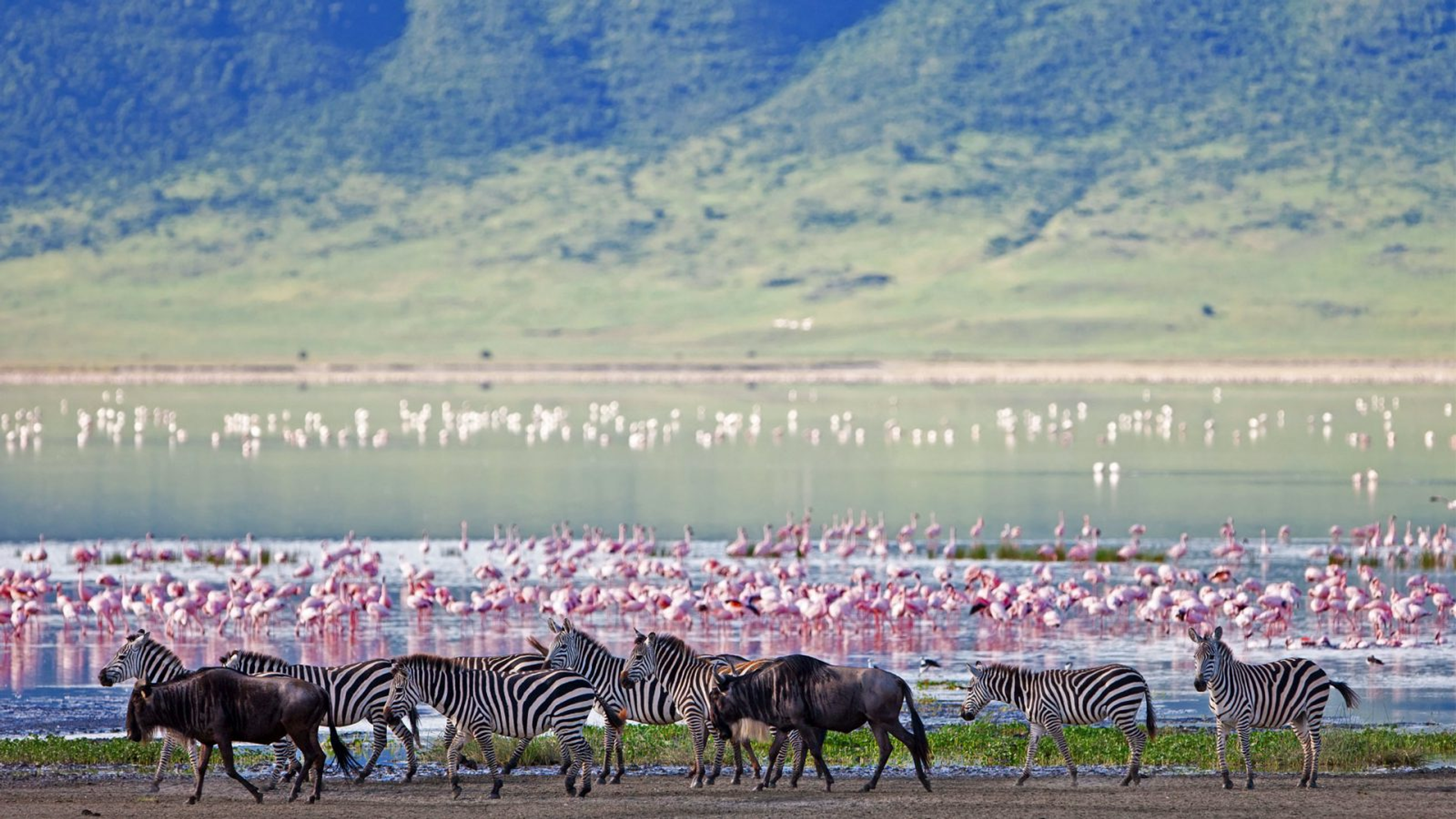
The northern route is Tanzania’s most established and most visited safari region. It concentrates several world-class wildlife areas within relatively manageable distances, making it ideal for first-time safari travelers and for trips of one week to ten days.
Key protected areas include Serengeti National Park, the Ngorongoro Conservation Area, Tarangire National Park, and Lake Manyara National Park.
Most northern circuit safaris begin after arrival at Kilimanjaro International Airport and an overnight stay in Arusha. From there, itineraries typically progress westward into Tarangire, across the Ngorongoro Highlands, and onward into the Serengeti ecosystem.
Wildlife viewing is exceptionally varied. Tarangire is known for elephants and baobab trees during the dry season, Ngorongoro offers year-round game in a volcanic crater setting, and the Serengeti supports vast predator populations alongside seasonal movements of wildebeest and zebra.
Because of its popularity and infrastructure, the northern circuit offers the widest range of accommodation, from comfortable lodges to ultra-luxury tented camps and mobile migration camps. It is also the easiest circuit to combine with a Zanzibar beach extension at the end of a safari.
The Southern Circuit

The southern route is quieter and more remote, emphasizing large wilderness areas and fewer vehicles at sightings. It suits travelers who value seclusion and are comfortable with longer internal flights rather than road transfers.
Its principal parks are Nyerere National Park and Ruaha National Park.
Nyerere, formerly part of the Selous Game Reserve, is notable for river-based game viewing in addition to standard drives, with boat safaris and walking activities offered in some concessions. Ruaha lies further inland and is characterized by rugged landscapes, baobab forests, and strong populations of lion and antelope species rarely seen in the north.
Southern circuit safaris usually begin via Dar es Salaam, followed by light aircraft flights to bush airstrips inside the parks. Driving long distances from the coast is uncommon and inefficient, which is why air transfers form part of most itineraries.
Accommodation in the south tends to focus on small, intimate camps rather than large lodges. These properties emphasize guiding quality and exclusivity rather than volume tourism.
The Western Circuit

The western route is Tanzania’s most remote and least visited safari region, reserved primarily for experienced safari travelers or those seeking a specialized focus such as chimpanzee trekking.
Its defining destinations are Katavi National Park, Mahale Mountains National Park, and Gombe Stream National Park.
Katavi becomes extraordinary during the dry season, when thousands of buffalo and other herbivores concentrate around shrinking water sources. Mahale and Gombe sit along the shores of Lake Tanganyika and are famous for their habituated chimpanzee groups and forested mountain scenery.
Access to the western circuit is complex and almost always involves multiple domestic flights, sometimes combined with boat transfers along the lake. Because of this, trips here are usually longer and more expensive than equivalent northern itineraries.
Facilities are limited in number and highly focused on wilderness immersion rather than broad comfort categories, reinforcing the circuit’s appeal to travelers seeking isolation and rare experiences.
How to Choose the Right Circuit
Selecting a safari circuit depends on several practical and personal factors.
First-time safari travelers and those on shorter trips generally gravitate toward the northern route because of its density of parks and variety of accommodations.
Those seeking fewer vehicles and river-based activities often prefer the southern parks, while experienced safari enthusiasts looking for extreme remoteness or chimpanzee trekking are drawn to the western regions.
Seasonality also matters. Wildlife concentrations shift with rainfall, and certain areas become inaccessible in the wettest months. A well designed itinerary aligns circuit choice with travel dates, budget, and tolerance for internal flights.
Combining Circuits and Extensions
Some longer safaris link multiple circuits, such as a northern classic followed by several days in Ruaha, although this requires careful scheduling and additional flights.
Beach extensions to Zanzibar are most commonly paired with the northern or southern routes because of easier air connections. Western circuit trips are usually standalone journeys due to the distances involved.
Safari planners sequence parks deliberately to minimize transit days and maximize time in wildlife zones.
Summary
Tanzania’s safari landscape is structured around three major circuits. The northern route delivers classic parks and logistical efficiency for most first time visitors. The southern route emphasizes quieter wilderness areas and river based activities. The western route offers extreme remoteness and specialist experiences such as chimpanzee trekking for seasoned safari travelers.
At Serengeti Steppe Travels, itineraries are designed around these circuits rather than fixed templates. Airport selection, park sequencing, internal flights, and accommodation choices are planned to minimize transit time and match each client’s travel dates, budget range, and wildlife priorities.
Understanding how the circuits differ allows guests to approach planning with realistic expectations and to work with a specialist operator that structures routes carefully rather than relying on generic safari packages.