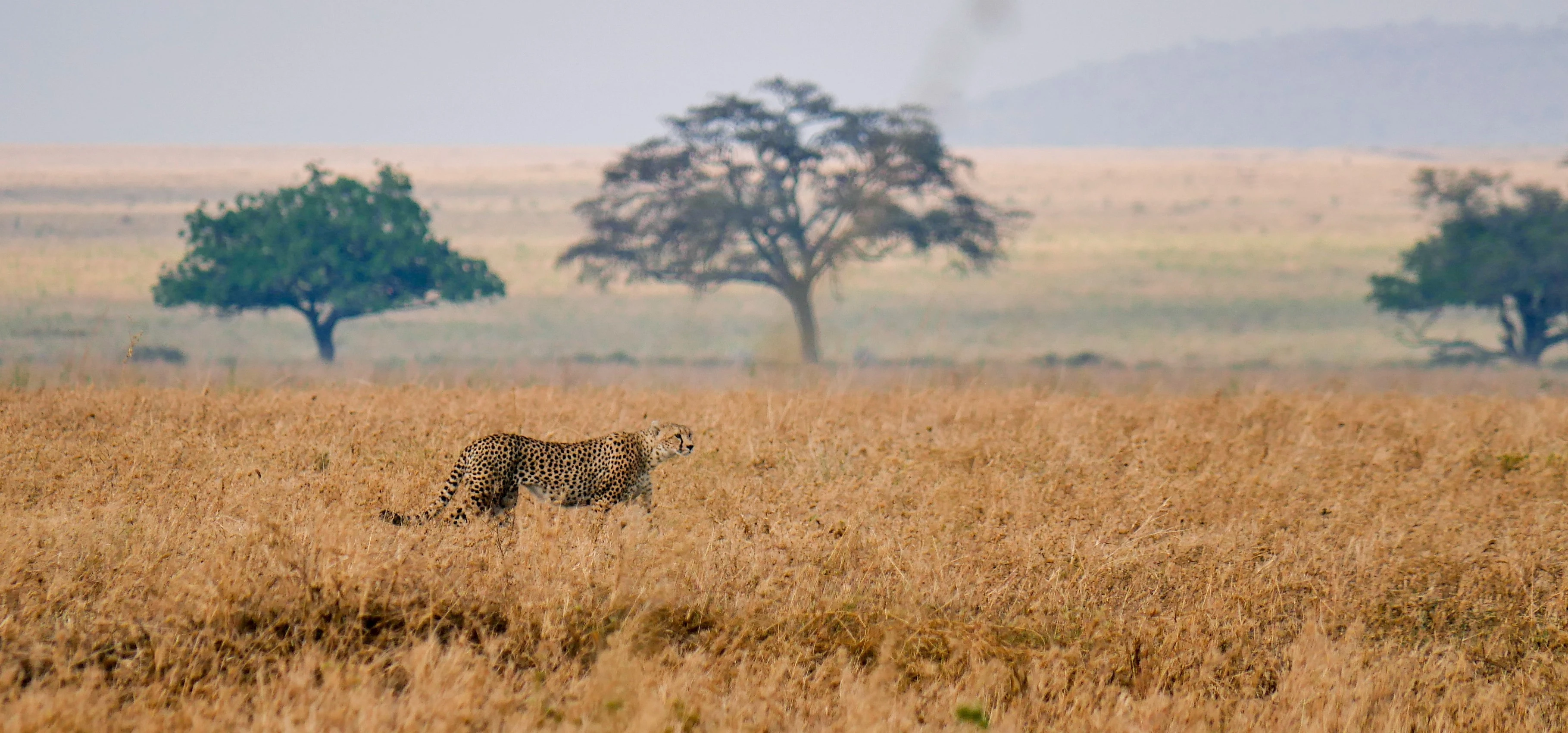
How Safaris Work in Tanzania: A Practical Guide for First Time Visitors
Safari Details
For many travelers, a safari in Tanzania is the highlight of an African journey, but the mechanics of how the experience actually unfolds are often unclear before arrival. Guests commonly ask how long game drives last, what time the day begins, where meals are taken, how parks are entered, and what role the guide plays throughout the trip.
This article explains the daily rhythm of a Tanzanian safari, the logistics behind moving between parks, and what guests should realistically expect from morning to evening while traveling through areas such as Serengeti National Park, Ngorongoro Conservation Area, Tarangire National Park, and Ruaha National Park.
The Structure of a Typical Safari Day
Most safari days are organized around wildlife activity, which is strongest in the cooler hours of early morning and late afternoon. Guests normally wake before sunrise, take a light breakfast at camp or lodge, and depart on a morning game drive as the parks open.
After several hours exploring tracks and river systems in search of animals, vehicles either return to the lodge for brunch or lunch or stop at a designated picnic site inside the park. The middle of the day is often quieter for wildlife, and many lodges schedule rest time during these warmer hours.
Later in the afternoon, guests head out again for a second drive, returning to camp shortly before dark when park regulations require vehicles to leave most conservation areas. Evenings are spent with dinner, briefings about the following day, and often informal discussions with the guide about sightings and routes.
Some itineraries operate as full day safaris with picnic lunches carried in the vehicle, particularly in expansive areas such as the Serengeti where distances between wildlife zones can be significant.
Park Entry Times and Regulations
National parks and conservation areas in Tanzania operate under fixed entry and exit hours, usually from early morning until sunset. Night driving inside the parks is restricted to special concessions or lodges located within certain protected zones and is not part of most standard itineraries.
Every safari vehicle must register at park gates, where entry fees are recorded and permits checked. This administrative process is handled by the guide, but it explains why mornings often include a short stop before the day’s exploration begins.
Rules are designed to protect wildlife and habitats. Guests are expected to remain inside the vehicle except at approved picnic areas, follow speed limits, and avoid approaching animals too closely. Responsible operators brief clients on these regulations at the start of the safari so expectations are clear.
Vehicles and Seating Arrangements
Most private safaris in Tanzania use custom built four wheel drive vehicles, commonly Toyota Land Cruisers adapted with raised seating, large windows, and pop up roofs for photography and wildlife viewing.
On private safaris, the vehicle is reserved exclusively for the booking party, allowing flexibility in departure times, how long is spent at sightings, and the route taken through each park. Group safaris operate on fixed schedules and involve sharing the vehicle with other travelers.
Refrigerators or cool boxes are often installed for water and soft drinks, and charging points for cameras are common on longer itineraries.
Guides and Driver Guides
The guide is central to the safari experience. In Tanzania, most safaris are led by professional driver guides who both navigate the parks and interpret what guests see.
Their responsibilities include:
- tracking animals and reading fresh signs such as footprints or alarm calls
- explaining species behavior, ecosystems, and conservation issues
- managing park formalities and radio communications
- timing routes to avoid congestion at popular sightings
- ensuring guest safety and comfort throughout the day
Experienced guides are also trained in first aid and vehicle maintenance, which becomes important in remote regions far from towns or workshops.
Meals on Safari
Food is arranged by the lodge or camp and coordinated with the day’s driving schedule.
When guests return to camp during the middle of the day, lunch is normally served as a hot meal or buffet. On longer drives, the lodge prepares packed picnic lunches that the guide carries in the vehicle and serves at official rest areas inside the park.
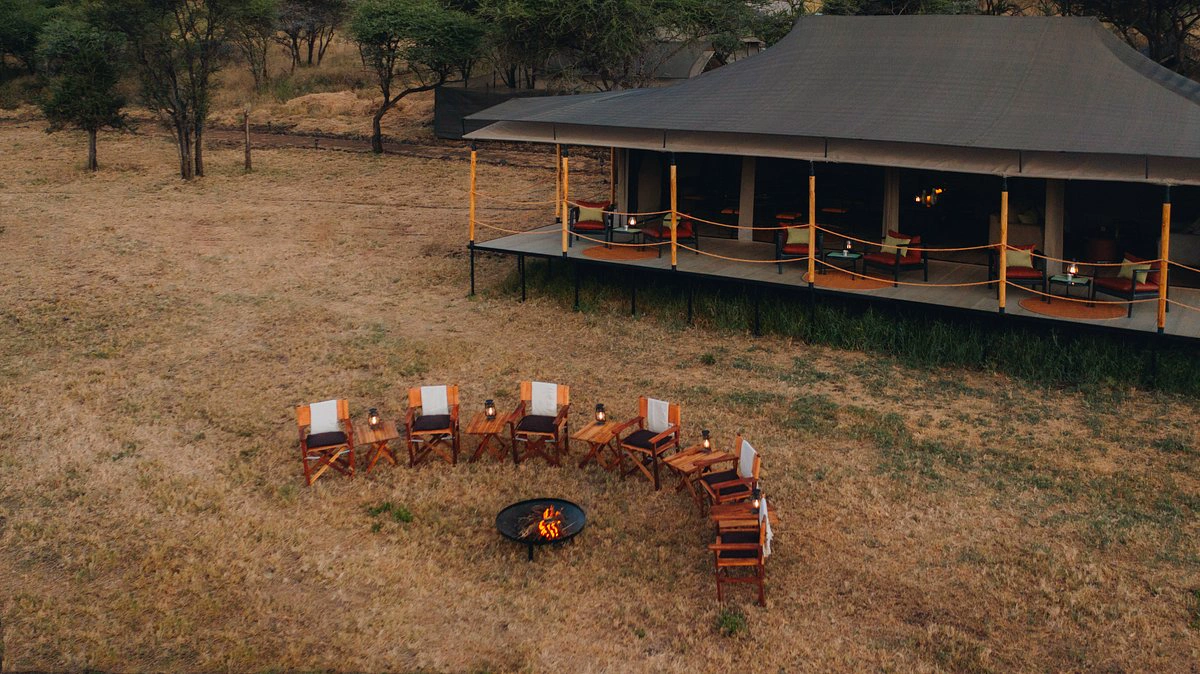
Dinner is usually a full seated meal at the lodge, often followed by a briefing about the next day’s plan. In tented camps, evenings may include lantern lit walkways, campfires, and staff escorts between tents and communal areas.
Dietary requirements are typically accommodated when communicated in advance during booking.
Lodges, Tented Camps, and Daily Logistics
Accommodation plays a major role in shaping the rhythm of a safari.
Permanent safari lodges and tented camps usually sit either inside the parks or just outside their boundaries. Staying inside the park reduces driving time at the beginning and end of each day, while properties outside may involve short transfers through gate areas.
Mobile camps follow seasonal wildlife movements, particularly in the Serengeti ecosystem, and allow guests to remain close to migration routes without long daily drives.
Laundry services, electricity hours, hot water availability, and WiFi access vary by camp type and remoteness, and these practical details are normally explained by the lodge staff on arrival.
Moving Between Parks
Safaris are rarely confined to a single location. Itineraries often combine several parks over the course of a week or more.
Transfers between parks may be done by road in the safari vehicle, which allows game viewing en route in some regions, or by scheduled light aircraft flights between bush airstrips when distances are large. Flying is common when moving between northern circuit parks and Zanzibar or when visiting remote areas such as Ruaha.
Your operator designs this sequence carefully to minimize travel fatigue and ensure time is spent in wildlife areas rather than on highways.
Safety and On the Ground Protocols
Safari safety is based on awareness and adherence to park rules rather than heavy security measures.
Guests are asked to remain inside vehicles during game drives, listen to their guide’s instructions around animals, and accept escorts at night in unfenced camps. These procedures reflect standard practice in Tanzania and allow travelers to experience wildlife areas comfortably and responsibly.
Medical kits, satellite phones or radios, and emergency protocols are part of professional safari operations, particularly in remote parks.
Summary
A Tanzanian safari follows a predictable but carefully structured rhythm. Early starts, long morning and afternoon game drives, midday rest periods, and evenings at camp define most itineraries. Park regulations determine driving hours, professional guides manage logistics and interpretation, and meals and accommodation are integrated into the flow of each day.
Understanding these mechanics helps travelers prepare realistically and appreciate the operational expertise that sits behind what often appears to be an effortless wilderness experience.