Best Time to Visit Tanzania for Safari (Month by Month Guide)
By Adeodatus
13 Minutes Read
In a Hurry? Start Here
If you want migration river crossings, travel July to September and base yourself in Northern Serengeti. That is when herd density and directional movement create the strongest probability of river activity.
If you want predator interaction and calving season intensity, choose January or February in the southern plains. This is when survival plays out in the open.
If you want fewer vehicles and greener landscapes, consider March, May, or November. Wildlife remains active, but the atmosphere is quieter and more spacious.
If you want dry weather and consistently strong wildlife visibility, June through October offer the most stable overall conditions.
Start with the experience you want. The right month follows from that decision.
Continue below for a full month by month breakdown and planning guidance.
A Month by Month Guide from the Ground
After years of planning safaris across northern Tanzania, one question comes up more than any other: what is the best time to visit Tanzania for safari?
The honest answer is not a single month. It is a decision based on movement, weather patterns, wildlife behavior, and what kind of experience you personally want to have.
Tanzania is not static. The Serengeti does not look the same in February as it does in August. Rainfall shifts the migration. Water availability changes predator behavior. Grass height affects visibility. Even the quality of light transforms the atmosphere of a game drive.
This guide is written from the perspective of someone operating within that rhythm, not observing it from a distance. By the end of this article, you will know which months align with river crossings, which favor calving season, which offer quieter conditions, and which provide the most consistent dry season wildlife viewing.
Instead of chasing a generic “best month,” you will be able to choose the right month for your safari.
January
January in the southern plains of Serengeti National Park feels expansive.
The short rains have passed. The grass is fresh and nutrient rich. Wildebeest herds concentrate across the Ndutu and southern Serengeti plains, drawn by grazing conditions that support the final stages of pregnancy before calving begins.
Movement during this period is not chaotic. It is deliberate. Herds spread widely across open ground, and visibility can stretch for kilometers. The landscape feels open and green, with dramatic cloud formations building through the day.
Predator presence is already increasing. Lion prides track herd density closely. Cheetahs benefit from open terrain that favors speed and visibility. Hyena clans move strategically along migration edges.
January is not about river crossings or spectacle. It is about buildup. It is the moment before intensity peaks. For travelers who want migration scale without peak dry season congestion, January offers clarity, space, and strong ecological interaction.
February
February in the southern plains of Serengeti National Park is not loud in the way river crossing season is loud. It is tense.
This is the height of calving season. Thousands of wildebeest give birth within a short window, timed with nutrient rich grass after the rains. The plains look calm at first light. Newborns stand within minutes. By mid morning they are already moving with the herd.
But predators know this cycle precisely.
Lion prides position themselves along herd edges before sunrise. Cheetahs patrol open stretches where visibility favors speed. Hyenas test the periphery, waiting for weakness or separation. You are not just observing animals. You are watching a system calibrated by evolution.
February safaris are less about spectacle and more about raw ecological interaction. If you want to understand how the Serengeti truly functions, this is one of the most revealing months of the year.
March
March becomes transitional.
Rainfall begins to increase toward the end of the month. The migration herds start preparing to move northwest. Landscapes are rich in color. Visitor numbers are lower.
If you prefer fewer vehicles and dramatic skies, March can be deeply rewarding. Wildlife viewing is still strong, but patience matters more than peak dry season months.
April
April is part of Tanzania’s long rain season, and it is often misunderstood.
Yes, rainfall increases. Storm systems can move dramatically across the plains. Some camps close during this period due to access conditions. But April should not be dismissed as inactive.
The Serengeti transforms visually. Grass grows taller. The landscape turns deeply green. Skies shift from bright blue to layered grey and silver. Afternoon storms often pass quickly, leaving behind crisp air and heightened animal movement.
Wildlife does not disappear. Migration herds are typically moving northwest toward the western corridor. Predator activity continues, though animals are more widely dispersed due to abundant water sources.
The defining characteristic of April is space.
Vehicle density drops significantly. Game drives feel unhurried. The parks feel expansive and quiet. For experienced travelers who prioritize atmosphere, photography, and solitude over peak migration spectacle, April offers a different but authentic Serengeti experience.
It is not the month for guaranteed river drama. It is the month for understanding the ecosystem without the pressure of high season.
May
May continues the long rains but begins to shift toward drier conditions late in the month. Vegetation remains thick. The migration gradually pushes toward the western corridor of the Serengeti.
This is still low season. The safari feels more intimate. Lodges are less busy. The landscape feels alive and untamed.
June
June marks the beginning of the dry season.
The grass shortens. Water sources begin to shrink. Wildlife visibility improves. The migration often concentrates in the western and central Serengeti regions.
This is when safari momentum builds. Conditions become more predictable. Wildlife density increases. The rhythm of classic dry season viewing begins.
July
July marks the full establishment of dry season conditions.
Across much of the Serengeti ecosystem, grasses shorten and water sources begin to dictate movement patterns. Wildlife density increases around permanent rivers and reliable grazing zones. Visibility improves significantly compared to green season months.
The migration often begins shifting northward during July. Herds may still be spread across central Serengeti while advancing toward the northern corridor. This creates a dynamic period where multiple regions can produce strong sightings.
Game drives in July feel efficient. Predator movement becomes more predictable as prey concentration increases. Lion activity is steady. Cheetah sightings remain strong in open areas. Elephant and buffalo gatherings intensify near water sources.
July is strategic for travelers who want dry season reliability and migration momentum without waiting for peak August pressure. It combines strong wildlife density with slightly lower congestion than later high season weeks.
For well planned itineraries, July can be one of the most balanced safari months of the year.
August
August is when the northern Serengeti ecosystem feels charged with momentum.
By this stage of the dry season, large migration herds are typically concentrated in Northern Serengeti, moving toward or along the Mara River system. Movement becomes directional rather than scattered. Herds gather with intent. Pressure builds at crossing points.
River crossings are never guaranteed. They depend on herd behavior, water levels, and predator presence. What August offers is elevated probability. It is one of the narrow seasonal windows when herd density and river pressure align most consistently.
What many travelers do not realize is that being in Serengeti in August is not enough. Location inside the ecosystem determines your experience.
Northern Serengeti is vast. Camps positioned near active migration corridors reduce transit time and increase responsiveness. In peak season, herd movement can shift within hours. The difference between witnessing a crossing and hearing about one often comes down to positioning and guide coordination.
Dry season conditions work in your favor. Grass is shorter. Wildlife concentrates around limited water sources. Predator sightings increase because prey movement becomes more predictable. Morning light is clear and stable. Even late afternoon visibility remains strong.
August is high demand for a reason. It combines migration intensity, reliable weather, and strong overall wildlife density. It is one of the most consistent months for travelers who want the classic Serengeti experience.
If your goal is to maximize migration probability, itinerary design and early planning matter significantly. The right routing, the right camp location, and sufficient time in the north are what turn August from a popular month into a successful safari.
For travelers prioritizing river crossings and peak wildlife movement, August remains one of the most strategically powerful months in the Tanzania safari calendar.
September
September continues dry season strength but with slightly fewer crowds than August.
River crossings may still occur. Wildlife remains concentrated. Landscapes are golden and open. Dust becomes more noticeable late in the month.
For many experienced safari planners, September offers a very balanced combination of conditions.
October
October is often overlooked, but strategically it is one of the strongest wildlife viewing months.
By now, the land is fully dry. Water sources are limited. Animals are no longer widely dispersed. They gather with predictability around remaining water and grazing pockets.
Game drives in October often feel efficient. Sightings build upon sightings because movement patterns tighten. Predator encounters can be exceptional, especially as prey becomes more concentrated.
Heat increases through the month, and dust can hang lightly in the air by late afternoon. Storm clouds may begin forming toward the end of October, signaling the approaching short rains. That tension in the atmosphere changes the mood of the plains.
For travelers who want strong wildlife density without the peak migration crowding of August, October offers a powerful balance.
November
November introduces the short rains.
Storms are often brief and dramatic rather than constant. The landscape begins to turn green again. Migratory herds start shifting southward.
Visitor numbers drop slightly. The atmosphere becomes softer. Light changes. The parks feel refreshed.
December
December bridges dry and green conditions.
Early December may still carry dry season characteristics. Later in the month, the migration moves back toward southern Serengeti plains.
Holiday travel increases visitor numbers, but wildlife movement becomes dynamic again as herds reposition for calving season.
Planning Your Safari Around the Season
Understanding what happens in each month is only part of the decision. The other part is positioning yourself correctly within that season.
The Serengeti ecosystem is vast. Being there at the right time does not automatically mean being in the right place. Movement patterns, rainfall distribution, and wildlife concentration can shift within the same month.
That is where planning becomes critical.
Timing Your Booking
Peak dry season months, particularly July through September, require earlier commitment. Northern Serengeti has limited camp capacity compared to central regions. When well positioned camps are full, alternatives often mean longer drive times and reduced responsiveness to migration movement.
For green season and shoulder months, flexibility increases. Availability is broader. Routing can be adjusted more dynamically because demand pressure is lower.
Matching your booking timeline to seasonal demand protects the quality of your experience.
Positioning Within the Ecosystem
Migration viewing is not only about choosing the correct month. It is about understanding where the herds are likely to be and selecting camps that reduce unnecessary transit.
In river crossing season, distance matters. Being based several hours from active corridors reduces the ability to respond when herds gather. Strategic positioning shortens reaction time and maximizes viewing opportunity.
During calving season, southern plains positioning allows broader visibility across dispersed herds. In late dry season months, access to reliable water sources often dictates wildlife density.
The month sets the stage. Positioning determines the outcome.
Building the Right Length of Stay
Certain seasons reward patience.
River crossings are unpredictable. Adding additional nights in northern Serengeti meaningfully increases the probability of witnessing movement. Calving season benefits from time spent observing predator patterns rather than chasing a single event.
Short itineraries can still be powerful, but migration focused safaris benefit from flexibility and duration.
When Flexibility Becomes an Advantage
Green season and transitional months allow greater adaptability. Wildlife may disperse more widely, but lower vehicle density creates space to adjust routes without pressure.
Dry season months are more concentrated and predictable. Planning focuses less on adjustment and more on securing strategic location early.
Understanding when to prioritize flexibility and when to prioritize positioning is part of designing an effective safari.
Common Mistakes When Choosing Safari Dates
After years of planning safaris, certain patterns repeat themselves. Most timing mistakes are not dramatic. They are small misunderstandings that quietly reduce the quality of the experience.
One common mistake is choosing a travel month based purely on viral migration videos. Many of those clips are filmed over multiple days or even seasons. Travelers arrive expecting a guaranteed river crossing within hours. Migration is movement, not a scheduled event. Timing improves probability. It never creates certainty.
Another frequent mistake is selecting the correct month but the wrong region. Being in Serengeti during migration season does not automatically mean being near active herds. The ecosystem is vast. Staying in central Serengeti while herds are concentrated in the north can mean long daily drives and missed opportunities. Month and positioning must align.
Rainy season is also widely misunderstood. Some travelers assume that April or November means poor wildlife viewing. In reality, wildlife remains active year round. The difference is distribution and atmosphere. Green season safaris reward patience and offer space, dramatic skies, and fewer vehicles. It is not lesser. It is different.
Finally, itineraries that are too short often create unnecessary pressure. During river crossing season, a single night in the north limits flexibility. Migration behavior can shift within hours. Allowing sufficient time dramatically increases the chances of witnessing meaningful movement.
Choosing the right month is important. Choosing it with realistic expectations and proper positioning is what protects the experience.
So What Is the Best Time to Visit Tanzania for Safari?
If you are looking for one universal answer, there isn’t one.
If you are looking for the right answer for your specific goals, that is different.
If river crossings and peak migration pressure are your priority, aim for July through September and position yourself in Northern Serengeti. That is when herd density and directional movement create the strongest probability of witnessing crossing behavior.
If your focus is predator interaction and calving season intensity, January and February in the southern plains deliver something entirely different. It is less about spectacle at a riverbank and more about survival unfolding across open grassland.
If you value fewer vehicles, softer light, and a quieter atmosphere, March, May, or November may align better with your expectations. Wildlife remains present. The pace simply shifts.
The mistake many travelers make is choosing a month based on popularity instead of objective. A well designed safari begins with clarity about what you want to experience. Migration crossings feel different from calving season. Dry season density feels different from green season solitude.
At Serengeti Steppe Travels, we plan around intent. We do not begin with a calendar. We begin with your priorities. From there, we match location, timing, and routing to the seasonal rhythm of the ecosystem.
That is how you choose the best time to visit Tanzania.
Not by asking which month is famous, but by deciding what kind of story you want your safari to tell.
Explore Similar Stories
•
Which Serengeti is Yours? A Guide to Central, Northern and Southern Serengeti
Choosing the right Serengeti region can shape your safari. Compare Central Serengeti’s year-round wildlife, Northern Serengeti’s Mara River crossings and Southern Serengeti’s calving season to find the best fit for your travel dates.
By Adeodatus
•
Is August the Best Month for a Serengeti Safari?
In practical terms, August sits at the center of Tanzania’s dry season and at one of the most dramatic stages of the Great Migration.
By Adeodatus
Where This Story Takes You
The Serengeti
The Serengeti is a vast natural wonder in northern Tanzania, stretching as far as the eye can see. Its name comes from the Maasai word "Siringet", meaning endless plains, a fitting description for its rolling grasslands and open skies. Covering nearly 15,000 square kilometers, the Serengeti is home to Africa’s largest and most diverse wildlife populations, making it one of the world’s greatest game drive destinations.A Year-Round Wildlife ParadiseEvery season in the Serengeti offers something unique. The dry months from June to October bring incredible wildlife viewing as animals gather around scarce water sources, while the green season transforms the park into a lush haven, alive with birdlife and newborn animals. Whether you’re spotting a pride of lions in the golden morning light or watching giraffes move gracefully across the plains, the Serengeti always delivers unforgettable moments.Witness the Great Wildebeest MigrationOne of nature’s most dramatic events, the Great Migration, unfolds across the Serengeti and the Masai Mara in Kenya. Over 1.5 million wildebeest, accompanied by thousands of zebras and gazelles, move in a circular route each year in search of fresh grazing. From river crossings in the north, where crocodiles wait below, to the calving season in the southern plains, every stage of this journey tells a story of survival and resilience.
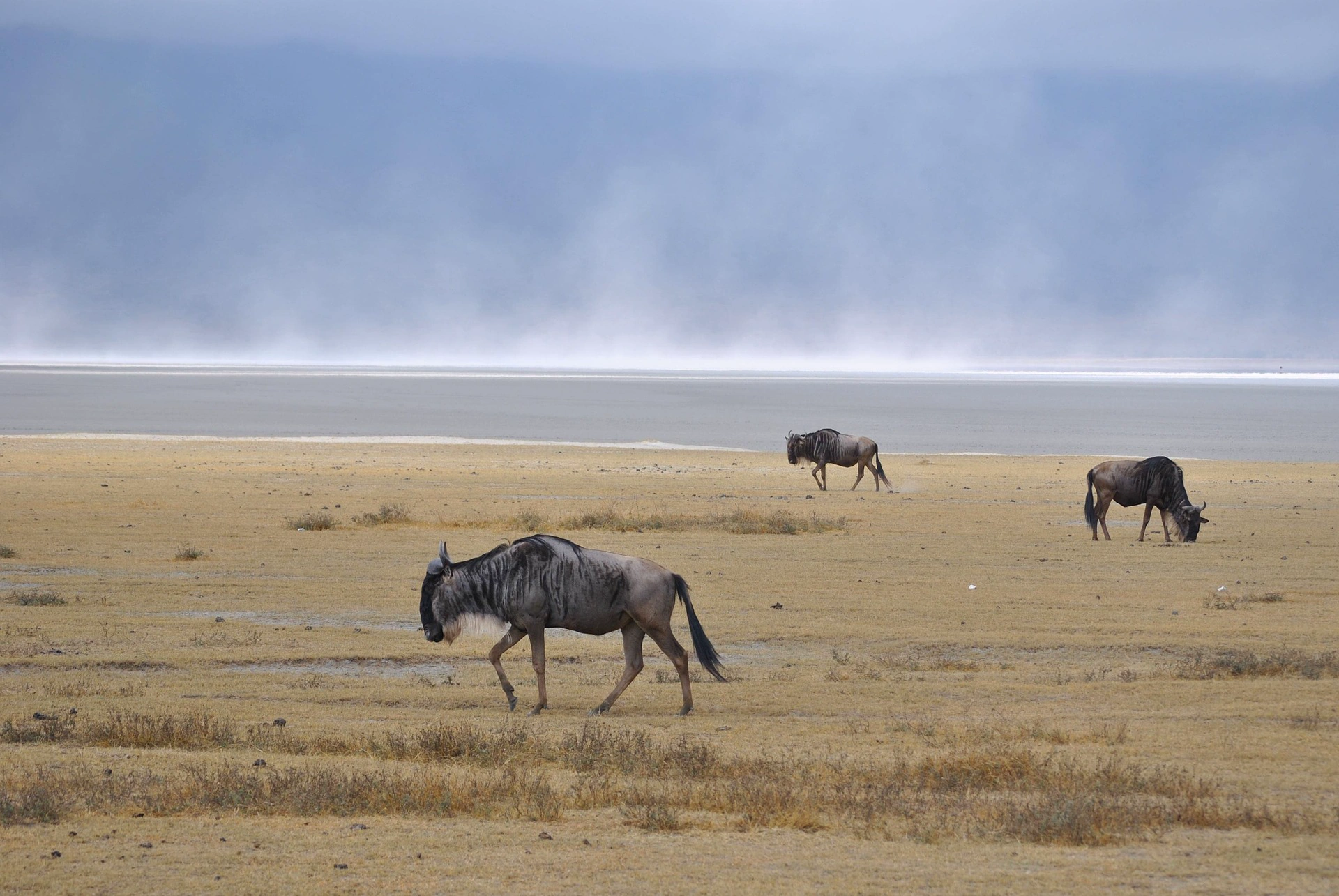
Ngorongoro Crater
The Ngorongoro Conservation Area, a UNESCO World Heritage Site, is a unique and breathtaking natural wonder in northern Tanzania. It is home to the stunning Ngorongoro Crater, the world's largest intact and unfilled volcanic caldera. This natural enclosure provides a haven for an incredible density of wildlife, including the "Big Five" (lion, leopard, elephant, buffalo, and black rhino). The crater floor's diverse habitats, from grasslands to acacia forests, support a thriving ecosystem where visitors can witness an unparalleled concentration of animals in their natural habitat, offering a truly unforgettable safari experience.Beyond the famous crater, the Ngorongoro Conservation Area is a vast landscape of savannas, woodlands, and highland forests. This expansive area is not only a wildlife sanctuary but also a crucial site for human history and cultural heritage. It is here that the Olduvai Gorge, often called the "Cradle of Mankind," is located. This significant archaeological site has yielded some of the earliest evidence of human evolution, making it a pivotal location for understanding our origins. The conservation area's dual focus on wildlife and human heritage makes it a place of profound scientific and cultural importance.What sets the Ngorongoro Conservation Area apart is its unique model of conservation, which allows for a harmonious coexistence between wildlife and the Maasai people, who have traditionally grazed their livestock in the area for centuries. This innovative approach ensures that the land is protected for both its ecological value and its cultural significance. Visitors have the opportunity to engage with the Maasai communities, gaining insight into their traditional way of life and a deeper appreciation for the rich cultural tapestry of the region. A visit to Ngorongoro offers a powerful blend of spectacular natural beauty, incredible wildlife viewing, and a deep connection to human history and living cultures.
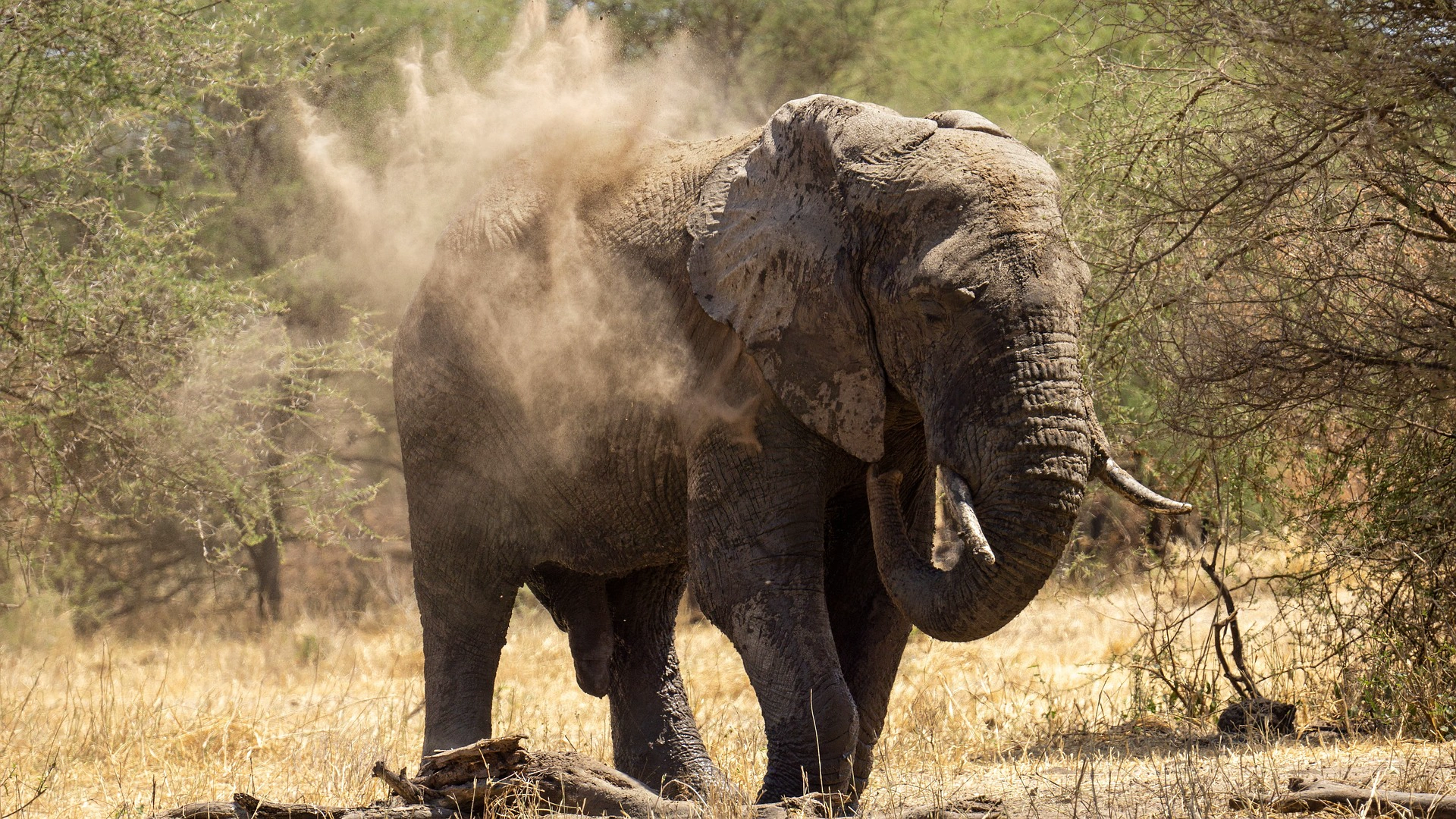
Tarangire
Tarangire National Park is a jewel in Tanzania's northern safari circuit, renowned for its spectacular scenery and an unparalleled concentration of wildlife. The park's landscape is a captivating mix of grassy savannas, acacia woodlands, and ancient baobab trees that stand as silent sentinels over the plains. The Tarangire River, from which the park takes its name, is its lifeblood, attracting an astonishing number of animals during the dry season. This period, from June to October, transforms the park into a magnificent spectacle as thousands of animals, including massive herds of elephants, gather along the riverbanks to drink and graze.What sets Tarangire apart is its massive elephant population, the highest concentration of elephants in any park in Tanzania. Herds of up to 300 individuals can be seen traversing the park, a truly breathtaking sight. But the park's appeal extends far beyond these gentle giants. It is also home to a diverse array of other wildlife, including lions, leopards, and cheetahs, as well as an abundance of zebras, wildebeest, buffalo, and a variety of unique antelopes like the elegant fringe-eared oryx and the long-necked gerenuk. The swamps and riverine areas also provide a sanctuary for a thriving population of hippos and other water-loving animals.For bird enthusiasts, Tarangire is nothing short of a paradise, with over 550 bird species recorded. The park's diverse habitats, from its swamps and riverbanks to its woodlands and open plains, provide a haven for both resident and migratory birds. Visitors can spot everything from the colorful yellow-collared lovebirds to the majestic bateleur eagles. Whether you're a seasoned safari-goer or embarking on your first adventure, Tarangire offers a raw and authentic African experience, a place where the grandeur of nature unfolds on a magnificent scale and provides a deep connection to the wild heart of Tanzania.
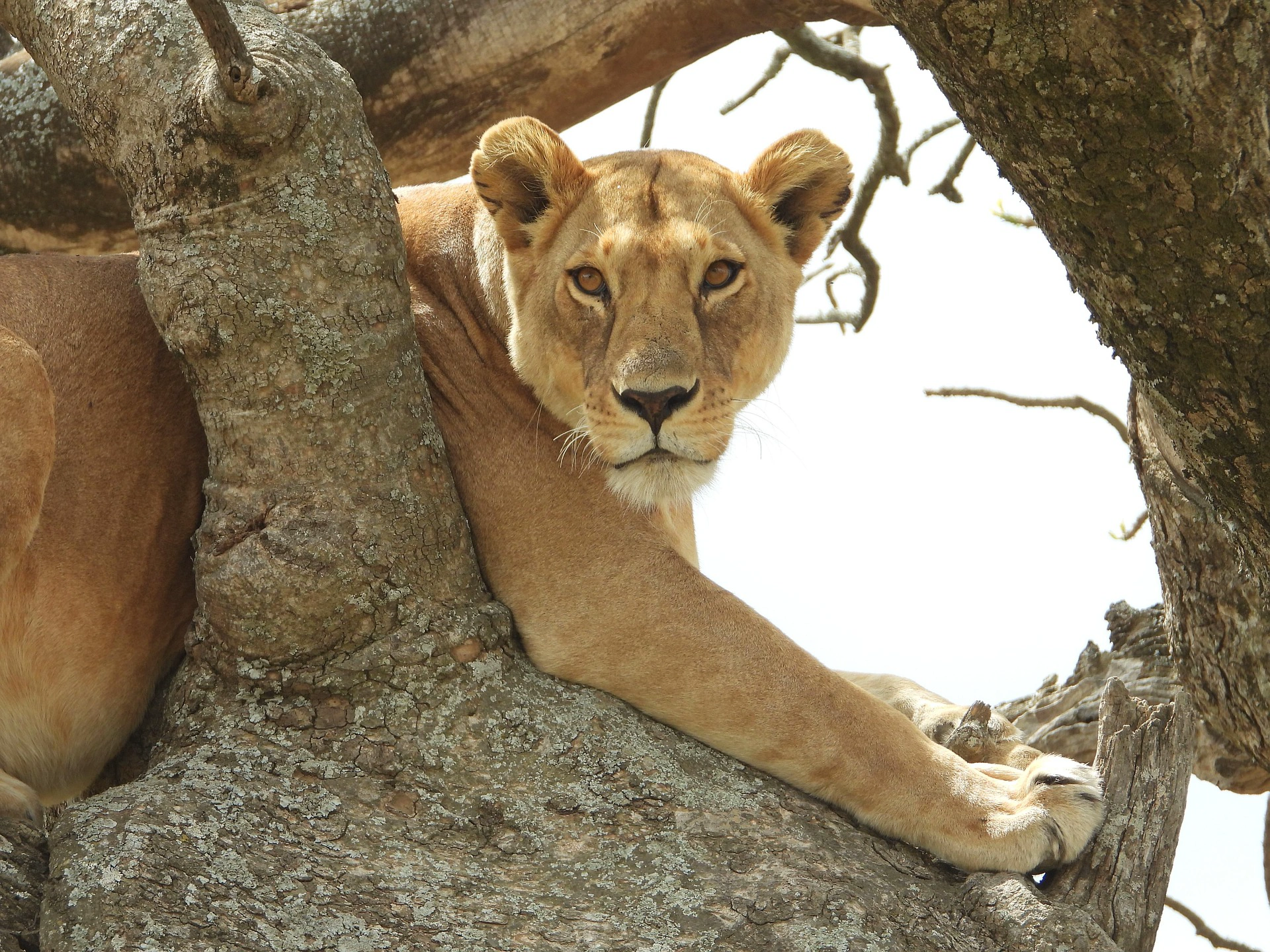
Lake Manyara
Situated beneath the magnificent cliffs of the Great Rift Valley, Lake Manyara National Park is a compact yet incredibly diverse safari destination. Often referred to as "Ernest Hemingway's loveliest park," this scenic gem offers an extraordinary variety of habitats within a small area, from the lush groundwater forests at the park's entrance to the acacia woodlands and grassy floodplains that stretch to the shores of its namesake lake. This unique ecological tapestry supports an impressive concentration of wildlife and makes for a visually stunning backdrop to any safari.The park is famous for a few unique features. Most notably, Lake Manyara is one of the only places in Africa where you can spot the rare tree-climbing lions, often found lounging languidly in the branches of acacia and sausage trees. The park also boasts one of the highest concentrations of baboons in the world, with large, active troops providing constant entertainment. Beyond the primates and felines, visitors can expect to see large herds of elephants, which the park was originally established to protect, as well as buffalo, giraffes, wildebeest, and various antelopes.Lake Manyara itself is a shallow, alkaline lake that is a major attraction, especially for birdwatching. During the wet season, the lake is a breathtaking sight, with vast flocks of pink-hued flamingos creating a vibrant spectacle on its shores. Over 400 bird species have been recorded here, making it a true birder's paradise year-round. Beyond traditional game drives, the park also offers opportunities for canoeing on the lake, walking safaris along the rift valley escarpment, and a unique treetop walkway for a bird's-eye view of the forest canopy, providing a different perspective on this remarkable park.
Live the Moments Described
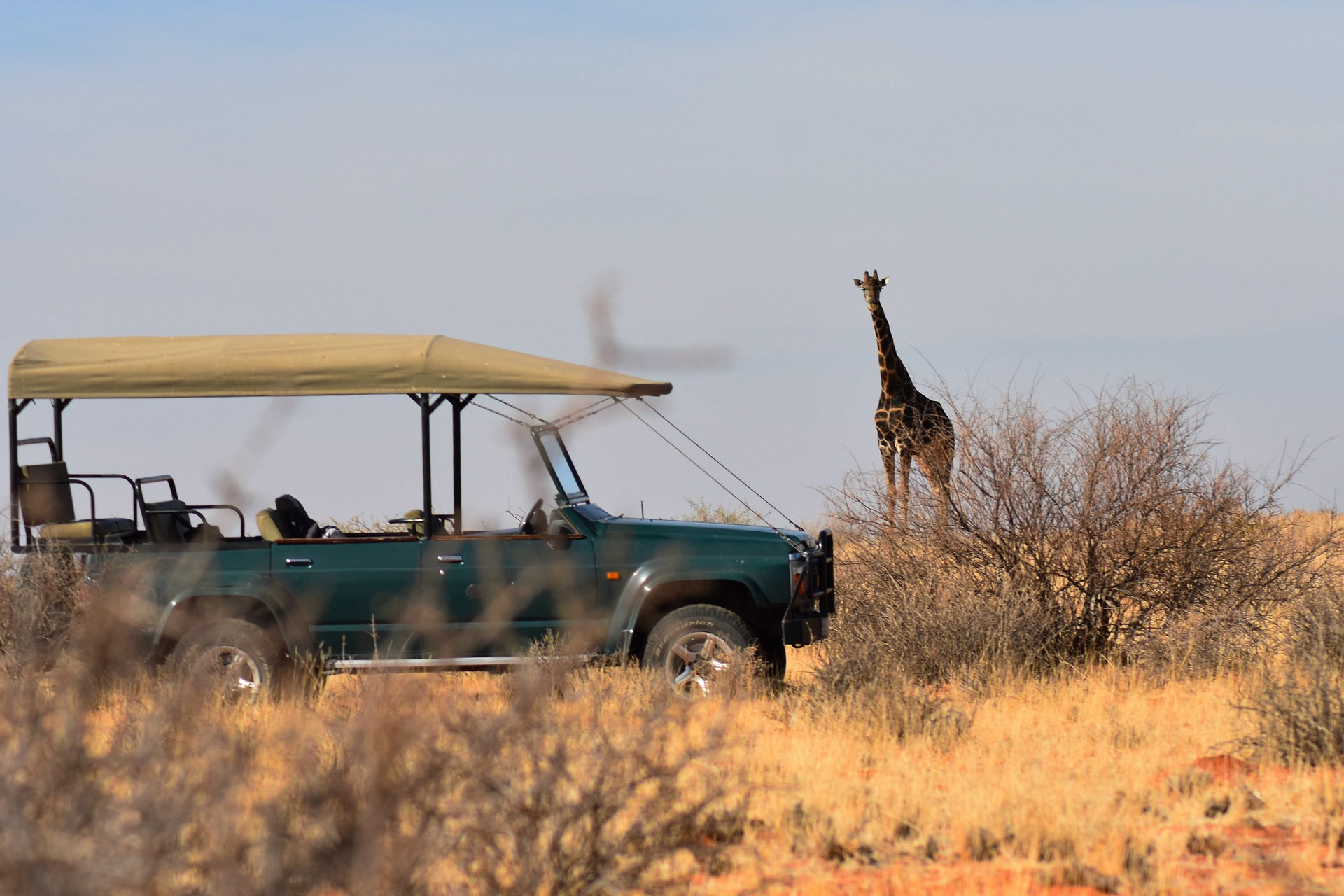
Safari Game Drives
A game drive is your window into the wild heart of Tanzania, a chance to traverse open plains, follow fresh animal tracks, and witness extraordinary moments in nature. Guided by experienced guides in specially designed 4×4 vehicles, you’ll enjoy comfort, panoramic views, and an intimate wildlife experience with small group sizes.The most rewarding times are often the cool hours of early morning and the golden light of late afternoon. Mornings might start with the aroma of fresh coffee as you set out, pausing mid-drive for a picnic breakfast overlooking the savannah. In the afternoons, drives flow into the magic of sunset, complete with chilled drinks, snacks, and skies ablaze in colour.Serengeti Steppe offers private game drives, giving you the flexibility to explore at your own pace and savour every moment of the wilderness.
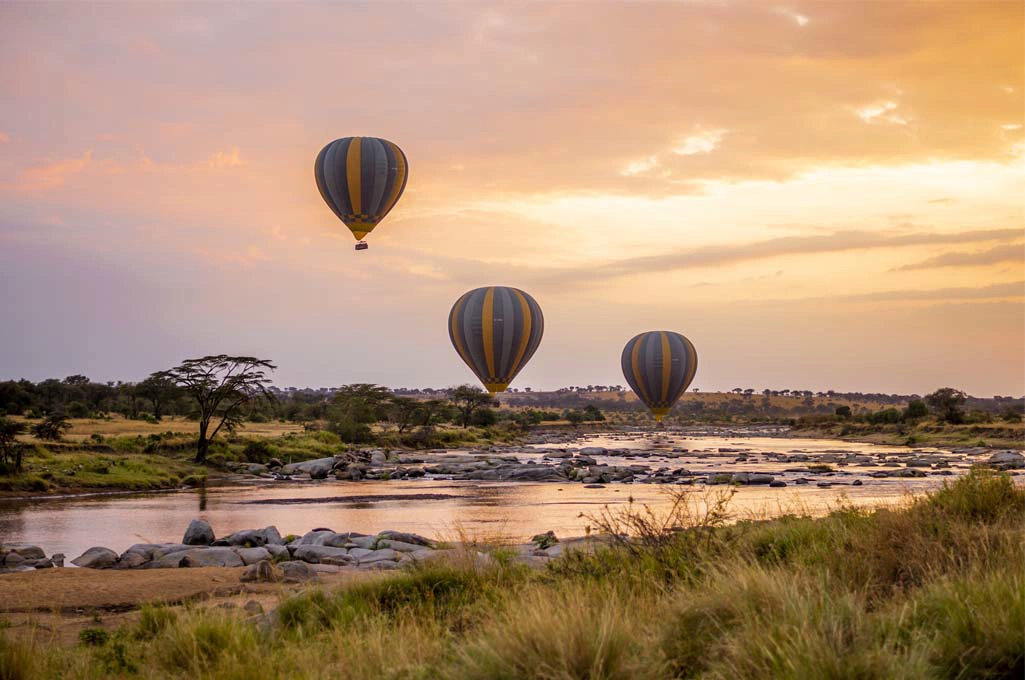
Hot Air Balloon Safaris
A hot air balloon safari is one of the most magical ways to take in the vast beauty of Africa’s wilderness.Imagine silently drifting above golden plains for about an hour, skimming treetops as the first rays of sunlight wash over the land, while herds of wildlife roam below. From this unique vantage point, every curve of the landscape and every movement of the animals comes alive in a way no ground-based experience can match.Locations & SeasonsBalloon flights typically operate in prime wildlife areas with year-round game-viewing, but exact launch sites and seasons vary by region. Some areas offer daily flights throughout the year, while others operate during peak wildlife concentrations or migration periods. This ensures you can experience breathtaking scenery, and, with some luck, witness unforgettable wildlife spectacles from above.Wildlife HighlightsIn certain locations and seasons, balloon flights may coincide with major wildlife events, such as the Great Migration, birthing seasons, or predator-rich periods. These encounters depend on the natural movements of wildlife, so a touch of luck always plays a part.
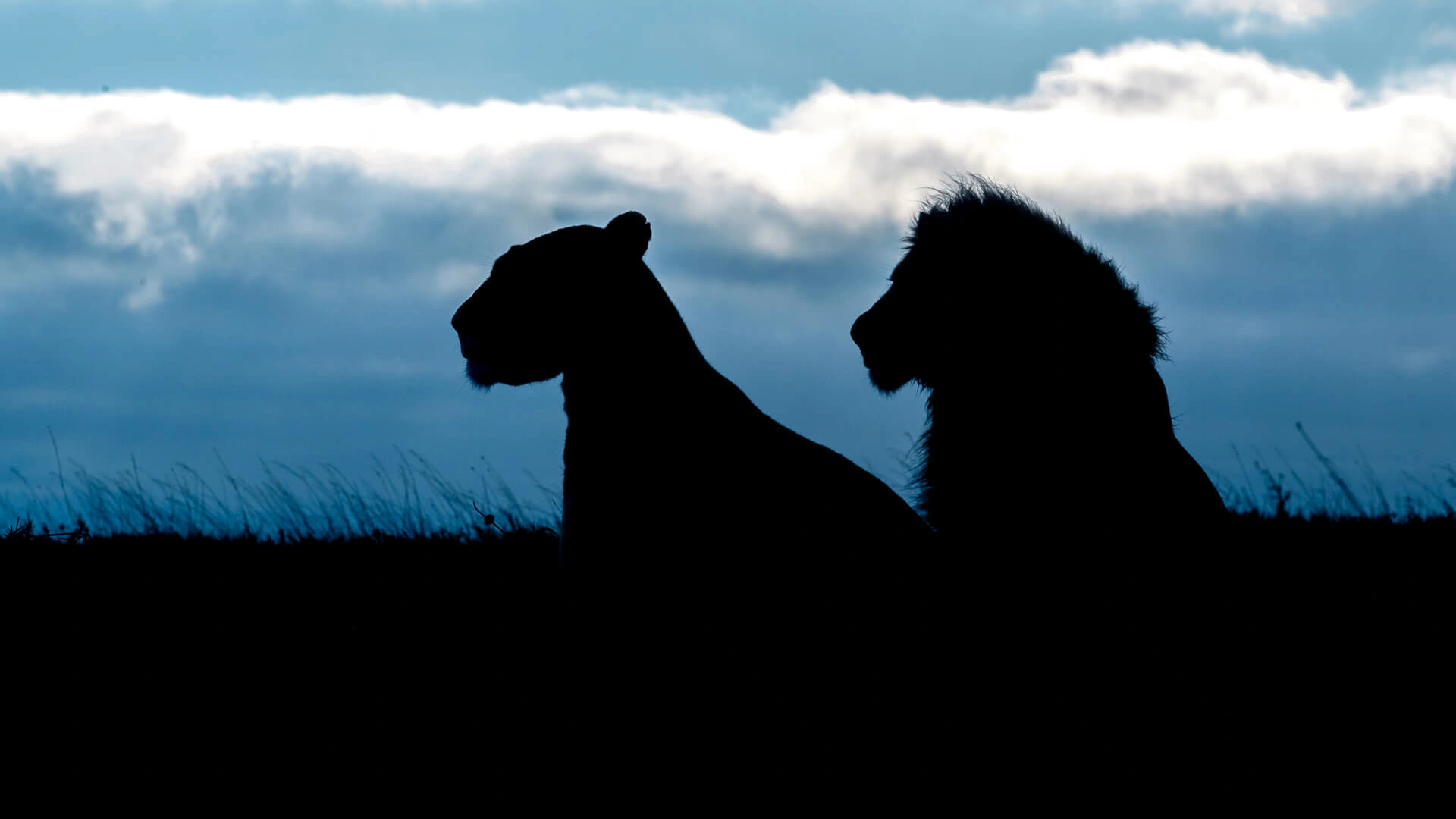
Night Safari Game Drives
Experience the African wilderness under a canopy of stars. Night game drives reveal rare and elusive wildlife, from lions and leopards to bush babies and owls, as your guide scans the savannah with a powerful spotlight. The darkness heightens all your senses, making every sight and sound more thrilling.Drives usually last 1.5 to 2 hours, beginning after dinner, and are designed for intimacy and safety. Serengeti Steppe keeps groups small to ensure personalized guidance, excellent visibility, and a truly immersive nocturnal adventure. Families are welcome, with minimum age requirements for children observed.Bring warm layers, comfortable shoes, and a camera for low-light photography. As you glide silently through the night, the African sky becomes a glittering backdrop to the untamed beauty below, a magical perspective only Serengeti Steppe can provide.
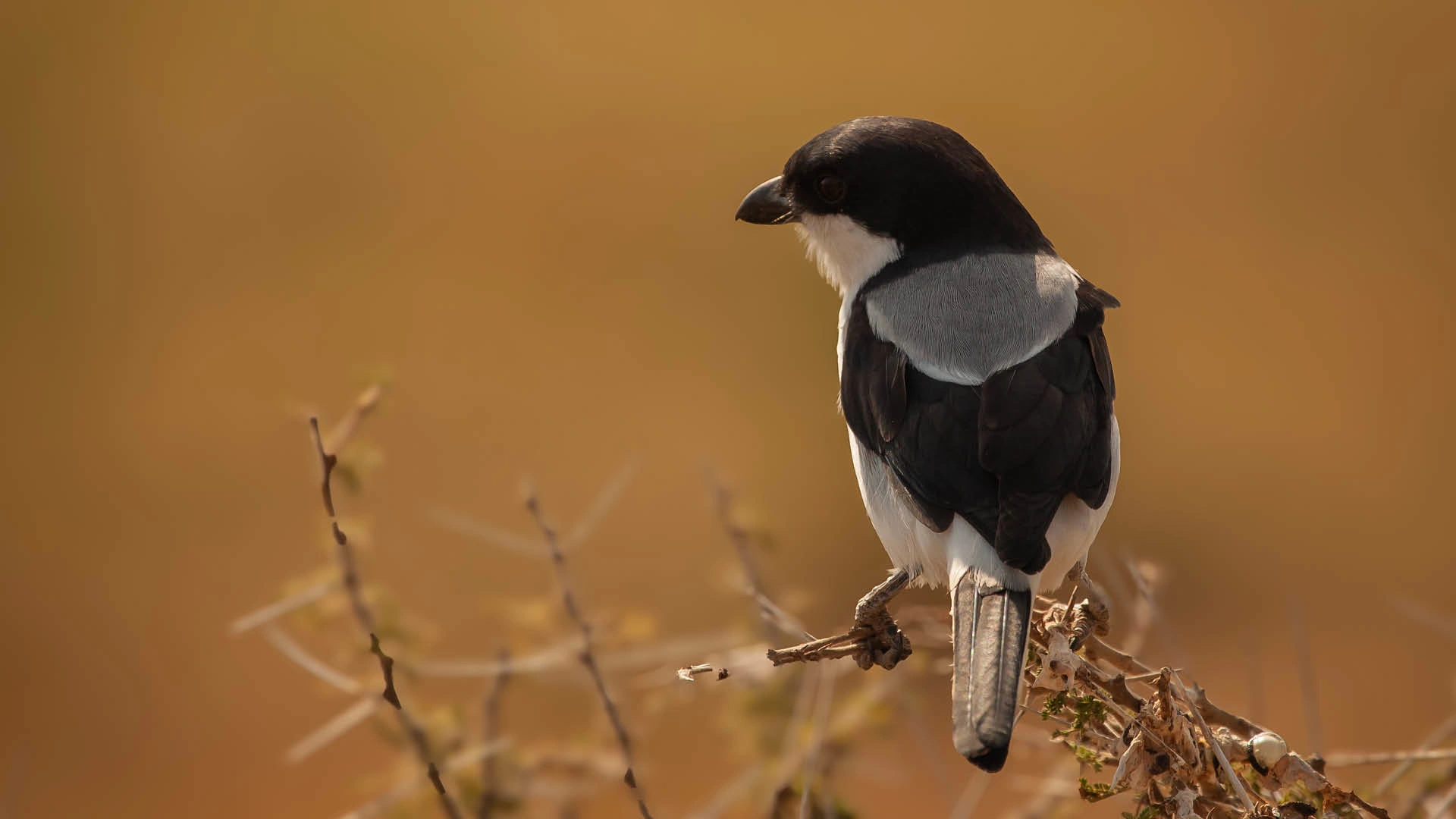
Bird-watching Safaris
For bird enthusiasts, a Serengeti Steppe birding safari is a must. East Africa is a migratory hub where hundreds of species from Europe, Asia, and Africa converge, set against dramatic, cinematic landscapes reminiscent of “Out of Africa.” It’s a paradise for those seeking both beauty and discovery.Guided by local experts who know the land and its feathered inhabitants intimately, you’ll explore the wilderness at a pace that allows you to observe and appreciate birds in their natural habitats. Walks and stops are interspersed throughout the safari to bring you closer to elusive and rare species.From soaring raptors to colorful songbirds, every sighting is a chance to connect with the wild in a quiet, contemplative way. Serengeti Steppe ensures that your birding experience is not just a checklist, but a meaningful journey into East Africa’s vibrant avian world.