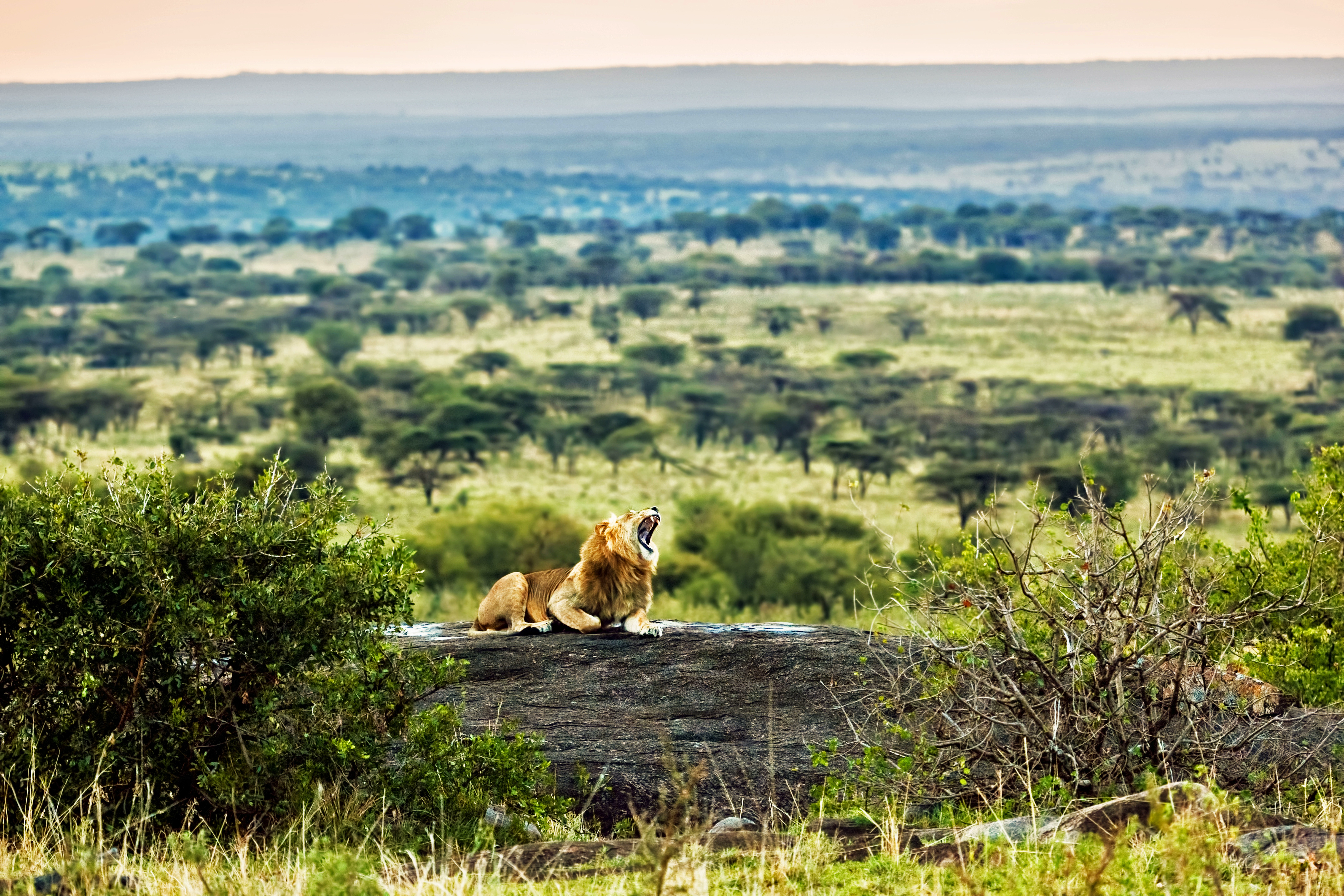
Cultural Experience Safari
Tanzania's Rich Cultural Safari Experiences
While Tanzania's national parks are renowned for their spectacular wildlife, a true safari is an opportunity to connect with the soul of the country: its people. A Cultural Experience Safari goes beyond the typical game drive, immersing you in the vibrant traditions, daily life, and history of Tanzania's diverse tribes. It's a journey that adds depth, meaning, and an unforgettable human element to your African adventure.
What is a Cultural Safari?
A cultural safari is an intentional blend of wildlife viewing with authentic, respectful interactions with local communities. It's not just about observing; it's about engaging. You'll gain a deeper understanding of how local people coexist with the wild, learning about their customs, beliefs, and sustainable practices that have been passed down through generations. These experiences are community-led, ensuring that your visit directly benefits the local economy and preserves their cultural heritage.
Top Cultural Experiences in Tanzania's Northern Circuit
- Maasai Villages (Ngorongoro & West Kilimanjaro): The Maasai are arguably the most famous tribe in East Africa, known for their distinct red "shukas" (robes), vibrant beadwork, and semi-nomadic, cattle-herding lifestyle. A visit to a genuine Maasai boma (homestead) allows you to witness their traditional dances, learn about their warrior culture, and see how they live in harmony with the surrounding nature.
- Hadzabe Hunter-Gatherers (Lake Eyasi): Near Lake Eyasi, you can encounter the Hadzabe, one of the last true hunter-gatherer tribes in Africa. This is a humbling and eye-opening experience where you can join them on a morning hunt, learn to make bows and arrows, and witness their unique click-based language. It's a raw and authentic look at a timeless way of life.
- Datoga Blacksmiths (Lake Eyasi): Often visited in conjunction with the Hadzabe, the Datoga are a pastoralist tribe known for their traditional blacksmithing skills. You can watch them forge weapons, jewelry, and tools from scrap metal, offering a fascinating glimpse into their craftsmanship and cultural practices.
- Mto wa Mbu Village (near Lake Manyara): This bustling village is a cultural melting pot where over 120 tribes live together. A walking or biking tour through the village allows you to see different farming practices, visit a local market, and taste locally brewed banana beer. It's a vibrant and lively experience that showcases Tanzania's incredible diversity.
Where can I do Cultural Experience Safari?
-
Lake Manyara
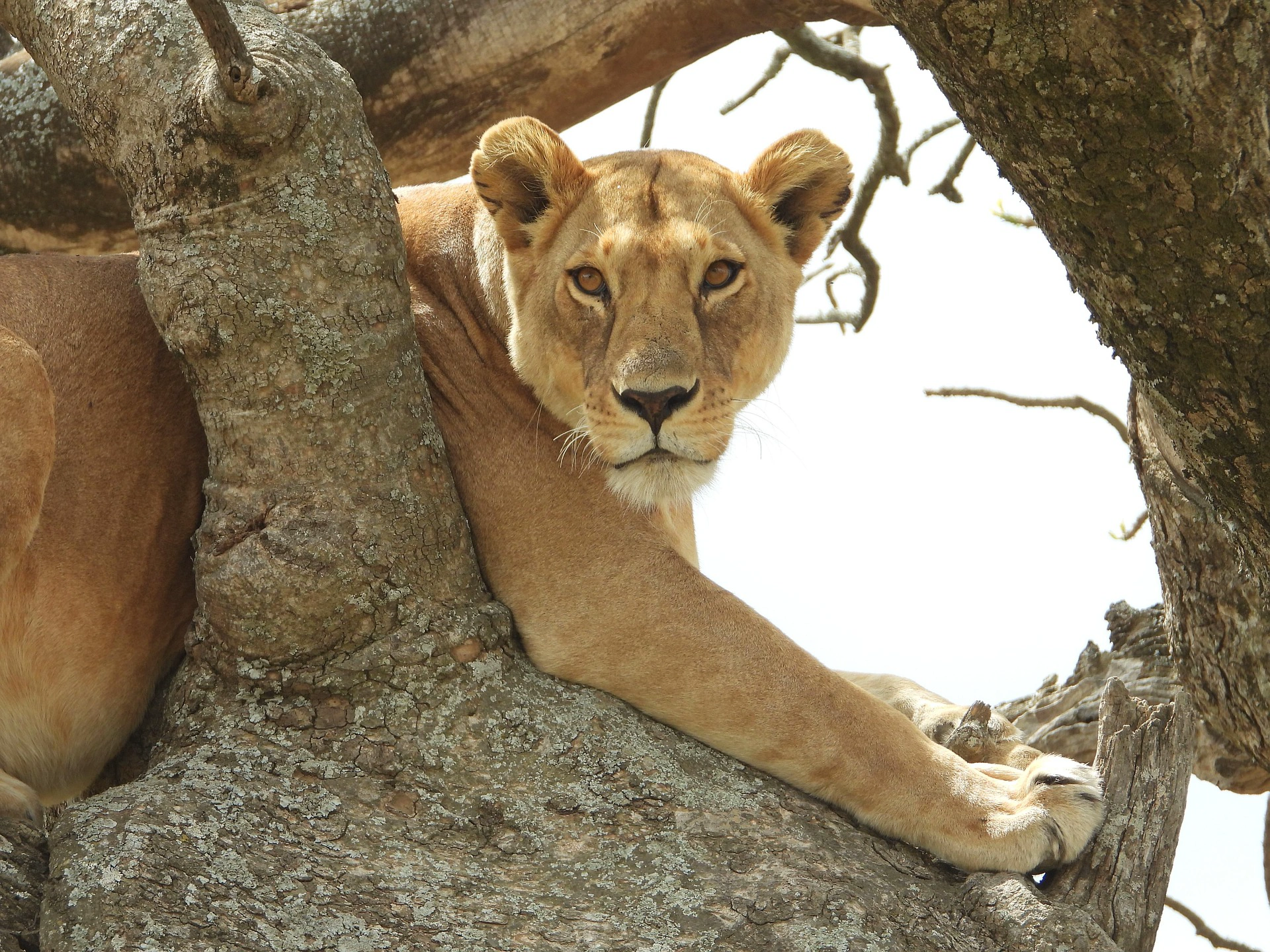
Situated beneath the magnificent cliffs of the Great Rift Valley, Lake Manyara National Park is a compact yet incredibly diverse safari destination. Often referred to as "Ernest Hemingway's loveliest park," this scenic gem offers an extraordinary variety of habitats within a small area, from the lush groundwater forests at the park's entrance to the acacia woodlands and grassy floodplains that stretch to the shores of its namesake lake. This unique ecological tapestry supports an impressive concentration of wildlife and makes for a visually stunning backdrop to any safari.The park is famous for a few unique features. Most notably, Lake Manyara is one of the only places in Africa where you can spot the rare tree-climbing lions, often found lounging languidly in the branches of acacia and sausage trees. The park also boasts one of the highest concentrations of baboons in the world, with large, active troops providing constant entertainment. Beyond the primates and felines, visitors can expect to see large herds of elephants, which the park was originally established to protect, as well as buffalo, giraffes, wildebeest, and various antelopes.Lake Manyara itself is a shallow, alkaline lake that is a major attraction, especially for birdwatching. During the wet season, the lake is a breathtaking sight, with vast flocks of pink-hued flamingos creating a vibrant spectacle on its shores. Over 400 bird species have been recorded here, making it a true birder's paradise year-round. Beyond traditional game drives, the park also offers opportunities for canoeing on the lake, walking safaris along the rift valley escarpment, and a unique treetop walkway for a bird's-eye view of the forest canopy, providing a different perspective on this remarkable park.
-
Ngorongoro Crater
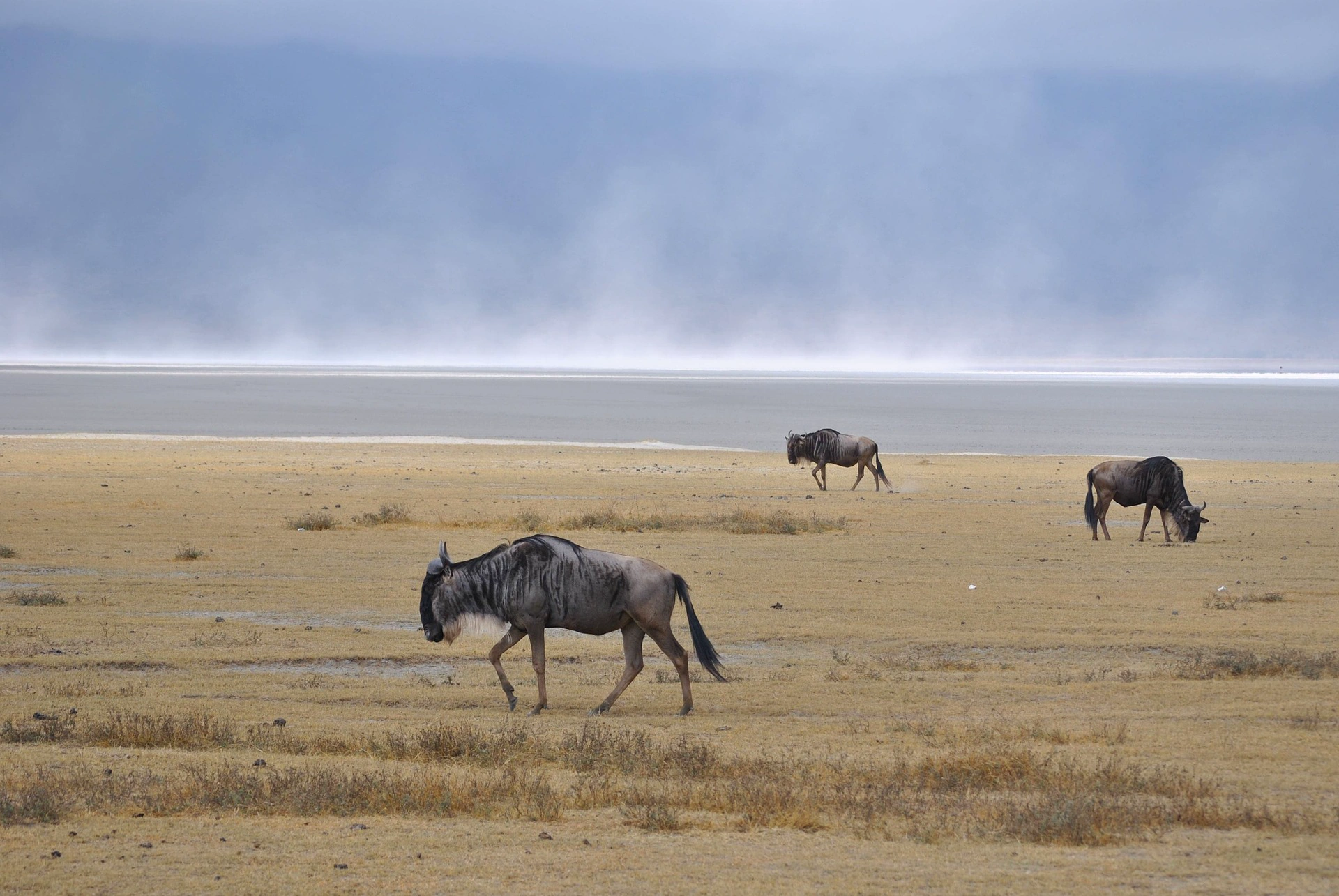
The Ngorongoro Conservation Area, a UNESCO World Heritage Site, is a unique and breathtaking natural wonder in northern Tanzania. It is home to the stunning Ngorongoro Crater, the world's largest intact and unfilled volcanic caldera. This natural enclosure provides a haven for an incredible density of wildlife, including the "Big Five" (lion, leopard, elephant, buffalo, and black rhino). The crater floor's diverse habitats, from grasslands to acacia forests, support a thriving ecosystem where visitors can witness an unparalleled concentration of animals in their natural habitat, offering a truly unforgettable safari experience.Beyond the famous crater, the Ngorongoro Conservation Area is a vast landscape of savannas, woodlands, and highland forests. This expansive area is not only a wildlife sanctuary but also a crucial site for human history and cultural heritage. It is here that the Olduvai Gorge, often called the "Cradle of Mankind," is located. This significant archaeological site has yielded some of the earliest evidence of human evolution, making it a pivotal location for understanding our origins. The conservation area's dual focus on wildlife and human heritage makes it a place of profound scientific and cultural importance.What sets the Ngorongoro Conservation Area apart is its unique model of conservation, which allows for a harmonious coexistence between wildlife and the Maasai people, who have traditionally grazed their livestock in the area for centuries. This innovative approach ensures that the land is protected for both its ecological value and its cultural significance. Visitors have the opportunity to engage with the Maasai communities, gaining insight into their traditional way of life and a deeper appreciation for the rich cultural tapestry of the region. A visit to Ngorongoro offers a powerful blend of spectacular natural beauty, incredible wildlife viewing, and a deep connection to human history and living cultures.
-
Mto wa Mbu
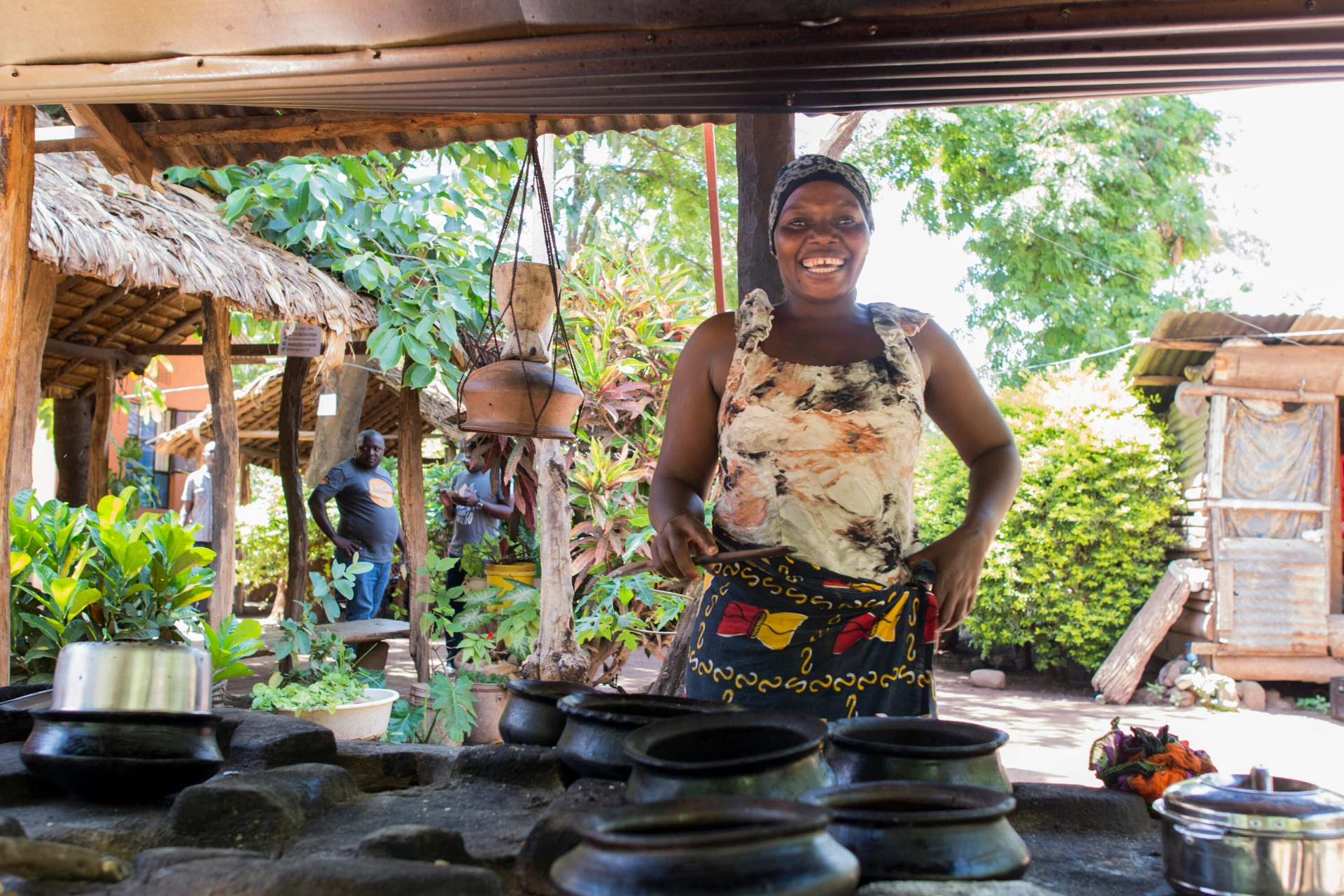
Nestled between Lake Manyara and the Great Rift Valley, Mto wa Mbu is a lively Tanzanian village known for its rich cultural heritage and breathtaking natural landscapes. This colorful town serves as a gateway to some of Tanzania’s most iconic safari destinations, offering visitors a unique blend of local life, scenic beauty, and wildlife experiences.Mto wa Mbu is renowned for its Maasai and other indigenous communities, where traditional customs, dances, and crafts provide an immersive cultural experience. The surrounding area is a fertile mosaic of banana plantations, rice paddies, and tropical forests, creating a lush environment that contrasts beautifully with the savannah plains nearby.Beyond its cultural charm, Mto wa Mbu is ideally positioned for exploration. It provides easy access to Lake Manyara National Park, famous for its tree-climbing lions, flocks of flamingos, and diverse birdlife. The village also offers guided nature walks, bicycle tours, and local market visits, making it a dynamic stop for travelers seeking both adventure and cultural insight.Whether you are wandering through vibrant markets, sampling traditional dishes, or enjoying panoramic views of the Rift Valley, Mto wa Mbu offers a memorable glimpse into Tanzania’s heartland.
-
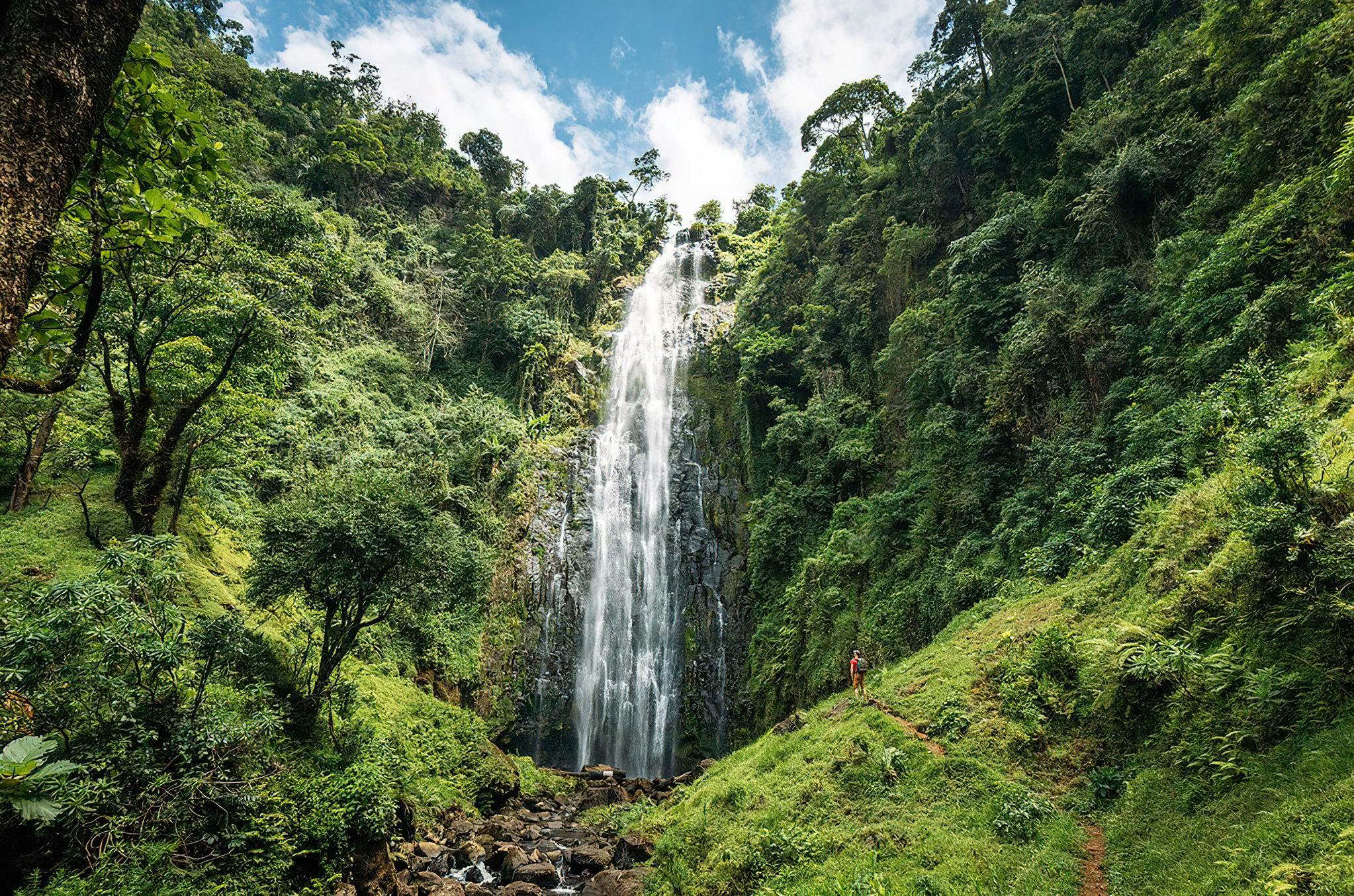
Materuni Waterfalls
Materuni Waterfalls is a scenic cascade located on the lush southern slopes of Mount Kilimanjaro near Moshi, in northern Tanzania. Renowned for its dramatic drop—around 70 to 80 meters—into a natural pool surrounded by tropical forest, it offers a blend of nature, culture, and adventure within easy reach of the region’s main tourist centers.Setting and AccessNestled in Materuni Village—the last settlement before Kilimanjaro National Park—the waterfall sits amid fertile farmland and rainforest. Visitors typically travel from Moshi or Arusha by road, followed by a 40- to 60-minute guided hike through banana and coffee plantations. The moderate trail is suitable for most hikers, though paths can become slippery during the rainy season.Cultural and Natural ExperienceThe area is home to the Chagga people, who practice traditional agriculture on Kilimanjaro’s volcanic slopes. Many tours combine the waterfall visit with a coffee-making experience: guests pick, roast, and brew Arabica beans while joining in local songs. The cultural immersion continues with opportunities to sample Chagga dishes or the fermented banana beer known as mbege. Wildlife sightings may include blue or colobus monkeys and colorful forest birds.Visitor ActivitiesPopular options include swimming in the cold glacial pool beneath the falls, photography, and guided nature walks. Day-trip itineraries often extend to nearby Chemka Hot Springs (also called Kikuletwa) for a warm-water soak. Entrance and guide fees are modest, and proceeds support local community projects.When to VisitMateruni Waterfalls can be visited year-round. The dry months (June–October and December–February) offer the easiest hiking and clear views of Kilimanjaro, while the rainy seasons (March–May and November) bring fuller flow and lush greenery. Early-morning visits provide cooler temperatures and fewer crowds.ImportanceBeyond its visual appeal, Materuni Waterfalls represents sustainable rural tourism in Tanzania’s Kilimanjaro region—linking environmental preservation, community livelihoods, and cultural heritage within one of East Africa’s most accessible natural attractions.
Frequently Asked Questions about Cultural Experience Safari
What are the top cultural experiences to enjoy in Tanzania?
Tanzania offers a wealth of cultural experiences that immerse visitors in the country’s diverse heritage. Highlights include visiting Maasai villages near Ngorongoro and West Kilimanjaro to witness traditional dances and beadwork, spending time with the Hadzabe hunter-gatherers at Lake Eyasi to learn about their ancient survival skills, exploring the Datoga blacksmith communities to see traditional metalwork, and touring Mto wa Mbu village to experience the practices of over 120 different tribes through markets, farms, and local cuisine.
Why should I include a cultural safari in my itinerary?
A cultural safari offers a deeper understanding of Tanzania beyond its wildlife. It allows travelers to connect with local communities, learn traditional skills, and gain insight into centuries-old customs and lifestyles. Combined with a classic game drive, cultural experiences provide a holistic view of the country, enriching your safari with personal and meaningful encounters.
What can I expect when visiting a Maasai village?
In Maasai villages, visitors can see traditional bomas (homesteads), watch vibrant dances, learn about warrior culture, and understand how the Maasai live in harmony with their environment. The experience is authentic, educational, and allows travelers to appreciate the Maasai’s rich heritage while observing daily life and their cattle-herding traditions.
Who are the Hadzabe and what makes meeting them unique?
The Hadzabe are one of the last true hunter-gatherer tribes in Africa, living near Lake Eyasi. A visit can include joining them on a morning hunt, learning to make bows and arrows, and hearing their unique click-based language. This encounter provides a rare and humbling insight into a lifestyle that has remained largely unchanged for thousands of years.
Can cultural experiences be combined with wildlife safaris?
Yes. Cultural tours can be seamlessly integrated into any wildlife safari itinerary. Whether it’s a half-day village visit between game drives or a multi-day cultural immersion alongside parks like the Serengeti and Ngorongoro Crater, combining wildlife and cultural experiences provides a richer, more complete understanding of Tanzania.
When is the best time for a cultural safari?
Cultural experiences are available year-round, as most communities maintain their traditional practices regardless of the season. This flexibility makes it easy to incorporate cultural visits into any safari, whether during the dry or wet seasons, without missing key wildlife highlights.
What should I bring on a cultural safari?
Guests should bring comfortable, modest clothing suitable for walking, a curious and respectful attitude, and essentials such as a hat, sunscreen, and a camera. A willingness to learn and engage with local communities respectfully is just as important as any gear.
Why choose Serengeti Steppe for cultural safaris?
Serengeti Steppe combines deep local knowledge, strong community partnerships, and tailored itineraries to offer safe, ethical, and memorable cultural experiences. Our guides provide expert insights into history, traditions, and ecology, ensuring every encounter is authentic, educational, and respectful.
Cultural Experience Safari Inclusive Packages (15)
-
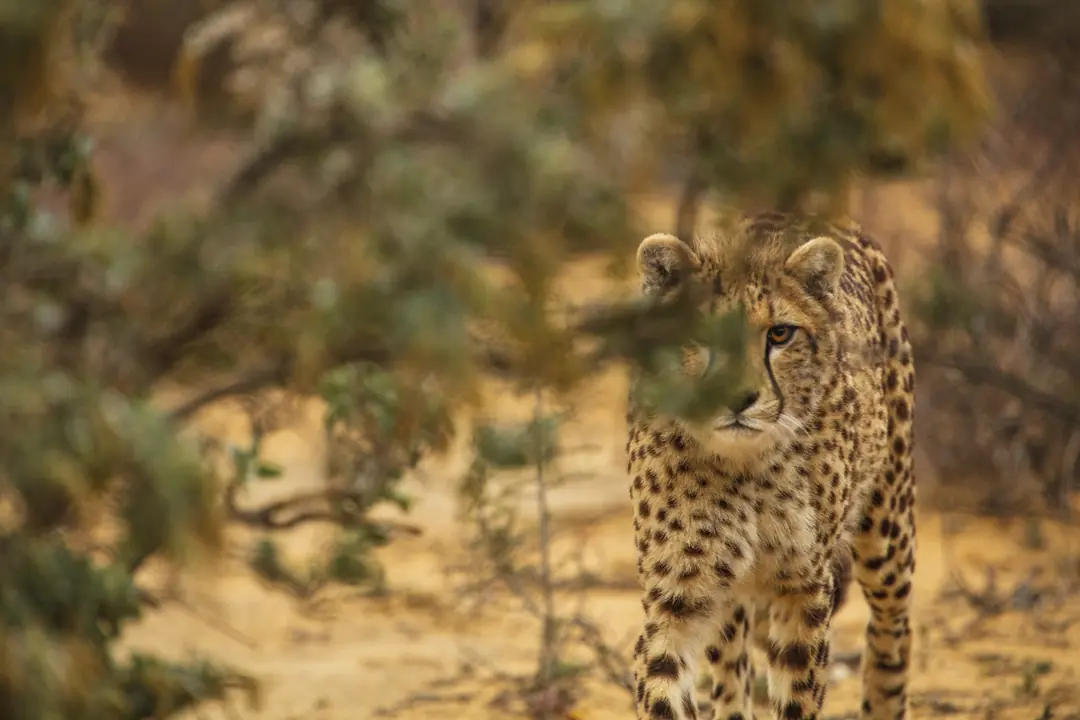 Mid-range
5 Day - Tarangire, Ngorongoro, Serengeti & Lake Manyara Safari
From
$1,550 pp (USD)
Tarangire, Ngorongoro Crater, Lake Manyara
Explore -
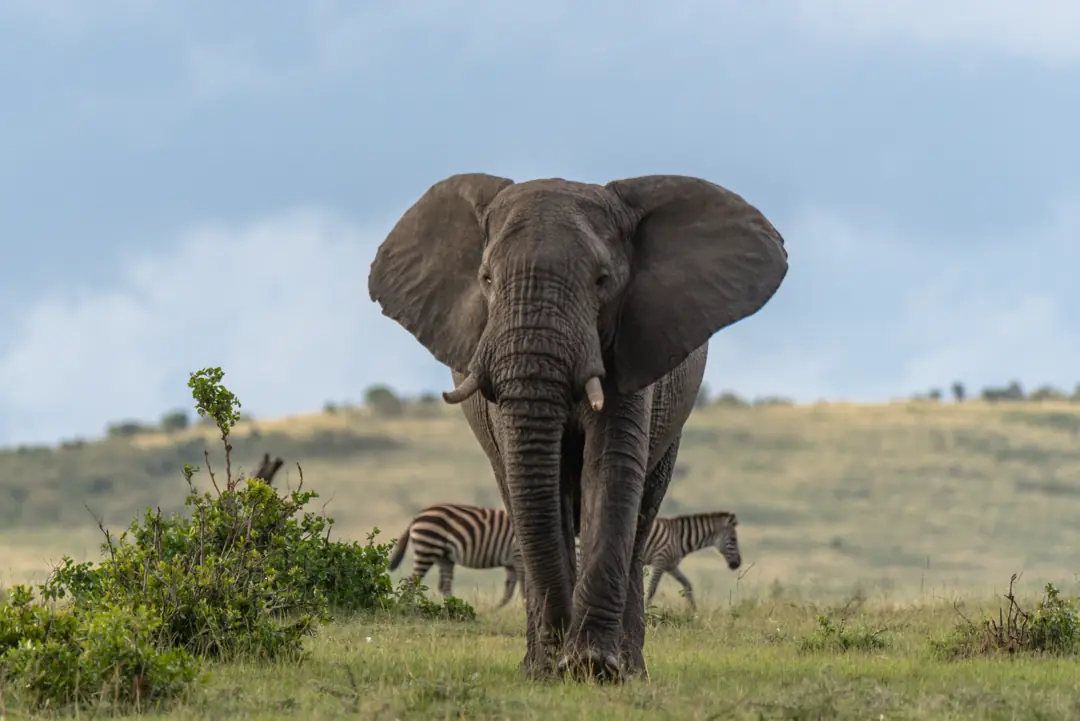 Mid-range
3 Day - Living Among Lions: Tarangire, Serengeti & Ngorongoro
From
$1,100 pp (USD)
Tarangire, Ngorongoro Crater, Lake Manyara
Explore -
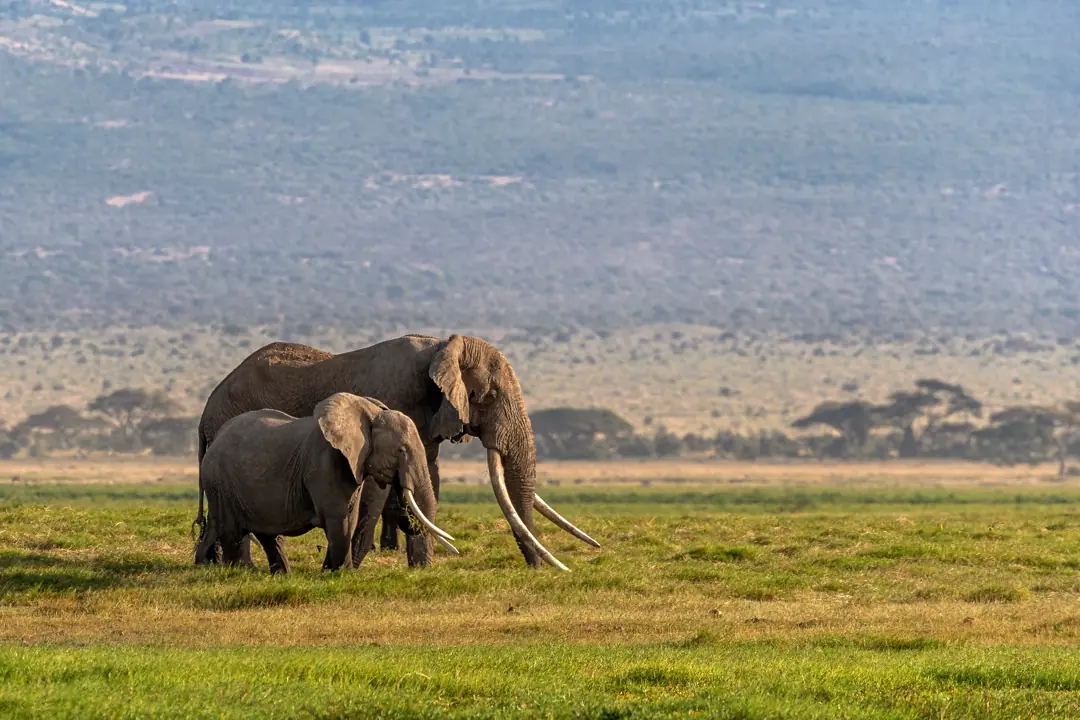 Mid-range
4 Day - Land of the Giants: Tarangire, Ngorongoro & Lake Manyara
From
$1,300 pp (USD)
Tarangire, Ngorongoro Crater, Lake Manyara
Explore -
 Mid-range
3 Day - Fly-In & Fly-Out Safari: Tarangire, Ngorongoro & Manyara
From
$1,550 pp (USD)
Tarangire, Ngorongoro Crater, Lake Manyara
Explore -
 Luxury
3 Day - Giants & Craters Northern Circuit Luxury Safari
From
$1,295 pp (USD)
Tarangire, Ngorongoro Crater, Lake Manyara
Explore -
 Mid-range
4 Day - Mt Kilimanjaro Hike, Tarangire, Ngorongoro & Manyara
From
$1,397 pp (USD)
Mount Kilimanjaro, Tarangire, Ngorongoro Crater, Lake Manyara
Explore