Mto wa Mbu
A Vibrant Cultural and Natural Gateway
Nestled between Lake Manyara and the Great Rift Valley, Mto wa Mbu is a lively Tanzanian village known for its rich cultural heritage and breathtaking natural landscapes. This colorful town serves as a gateway to some of Tanzania’s most iconic safari destinations, offering visitors a unique blend of local life, scenic beauty, and wildlife experiences.
Mto wa Mbu is renowned for its Maasai and other indigenous communities, where traditional customs, dances, and crafts provide an immersive cultural experience. The surrounding area is a fertile mosaic of banana plantations, rice paddies, and tropical forests, creating a lush environment that contrasts beautifully with the savannah plains nearby.
Beyond its cultural charm, Mto wa Mbu is ideally positioned for exploration. It provides easy access to Lake Manyara National Park, famous for its tree-climbing lions, flocks of flamingos, and diverse birdlife. The village also offers guided nature walks, bicycle tours, and local market visits, making it a dynamic stop for travelers seeking both adventure and cultural insight.
Whether you are wandering through vibrant markets, sampling traditional dishes, or enjoying panoramic views of the Rift Valley, Mto wa Mbu offers a memorable glimpse into Tanzania’s heartland.
Other Attractions near Mto wa Mbu
-
Serengeti National Park
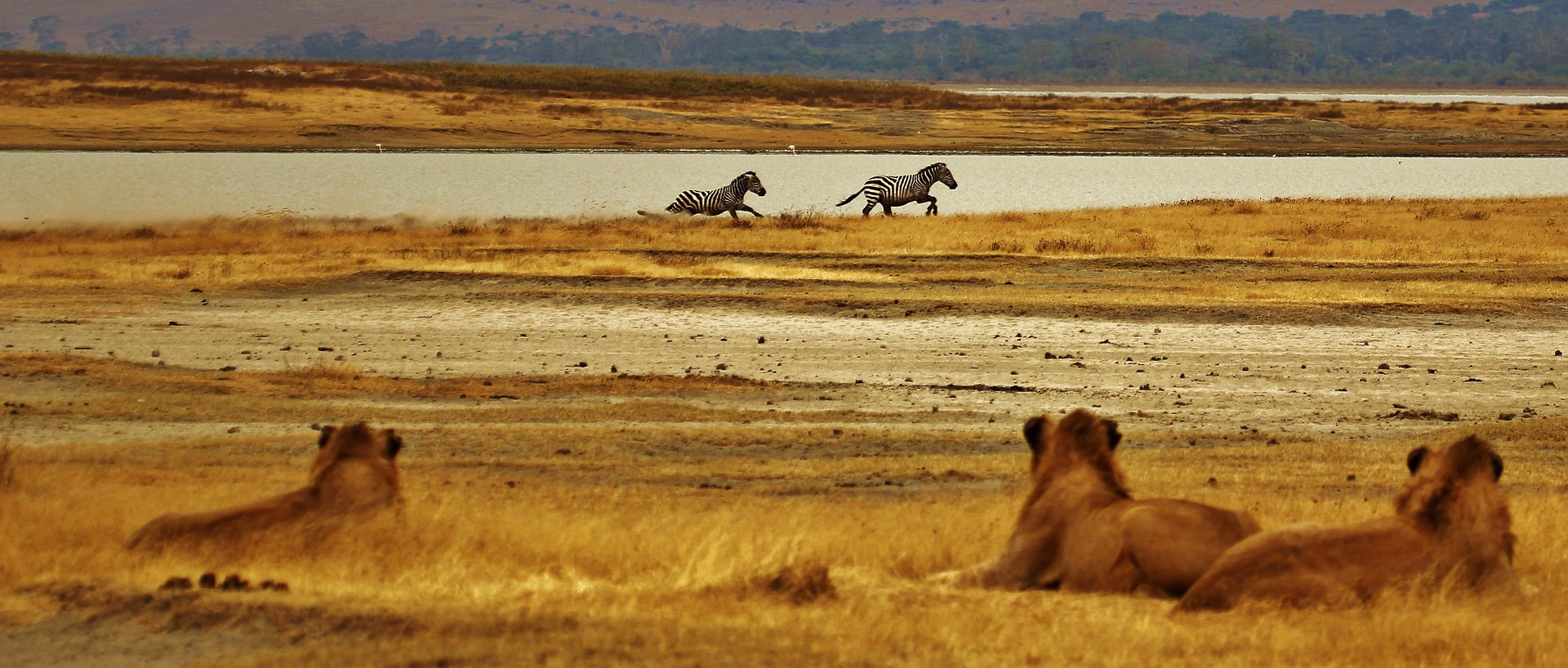
The Serengeti is a vast natural wonder in northern Tanzania, stretching as far as the eye can see. Its name comes from the Maasai word "Siringet", meaning endless plains, a fitting description for its rolling grasslands and open skies. Covering nearly 15,000 square kilometers, the Serengeti is home to Africa’s largest and most diverse wildlife populations, making it one of the world’s greatest game drive destinations.A Year-Round Wildlife ParadiseEvery season in the Serengeti offers something unique. The dry months from June to October bring incredible wildlife viewing as animals gather around scarce water sources, while the green season transforms the park into a lush haven, alive with birdlife and newborn animals. Whether you’re spotting a pride of lions in the golden morning light or watching giraffes move gracefully across the plains, the Serengeti always delivers unforgettable moments.Witness the Great Wildebeest MigrationOne of nature’s most dramatic events, the Great Migration, unfolds across the Serengeti and the Masai Mara in Kenya. Over 1.5 million wildebeest, accompanied by thousands of zebras and gazelles, move in a circular route each year in search of fresh grazing. From river crossings in the north, where crocodiles wait below, to the calving season in the southern plains, every stage of this journey tells a story of survival and resilience.
-
Ngorongoro Conservation Area
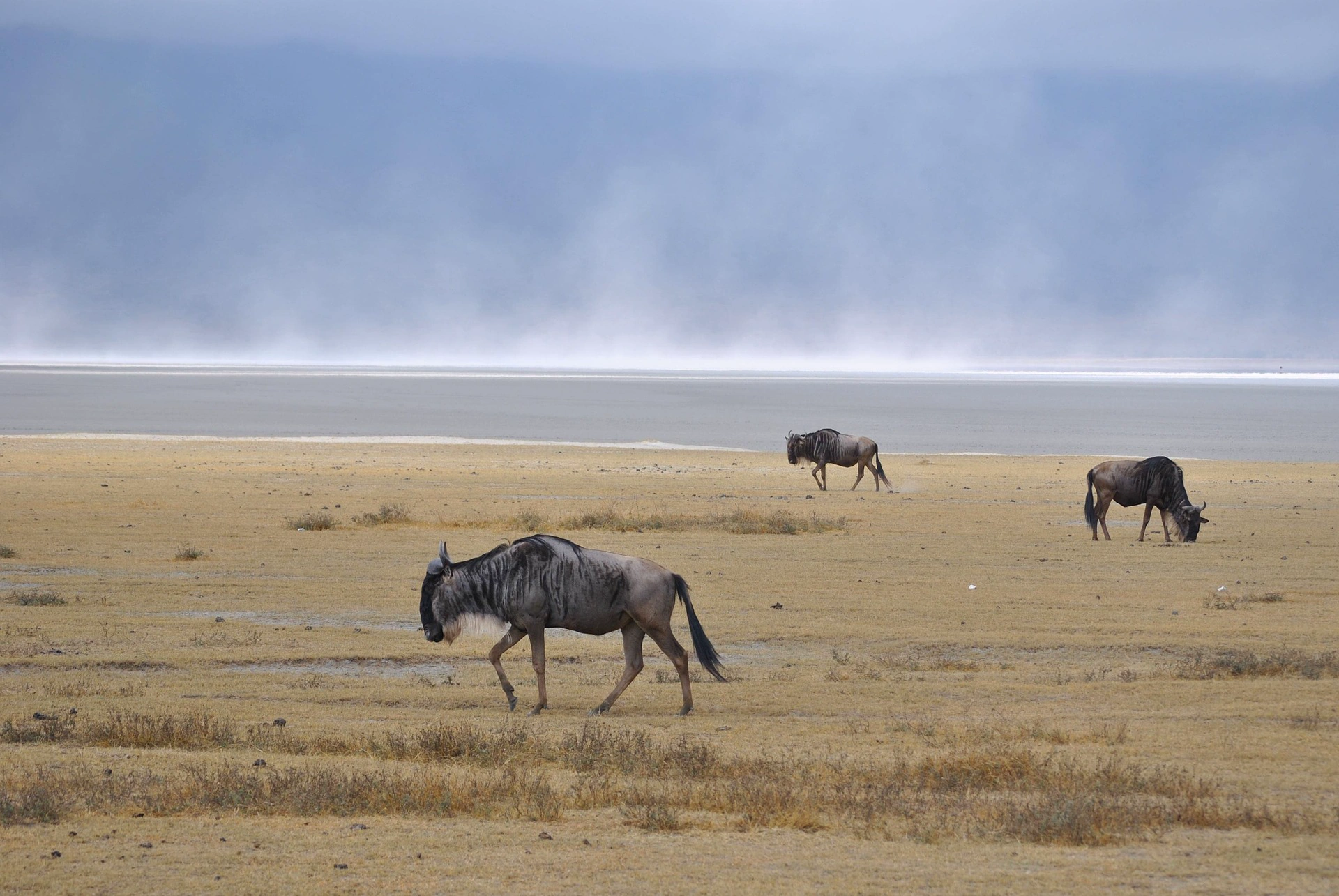
The Ngorongoro Conservation Area, a UNESCO World Heritage Site, is a unique and breathtaking natural wonder in northern Tanzania. It is home to the stunning Ngorongoro Crater, the world's largest intact and unfilled volcanic caldera. This natural enclosure provides a haven for an incredible density of wildlife, including the "Big Five" (lion, leopard, elephant, buffalo, and black rhino). The crater floor's diverse habitats, from grasslands to acacia forests, support a thriving ecosystem where visitors can witness an unparalleled concentration of animals in their natural habitat, offering a truly unforgettable safari experience.Beyond the famous crater, the Ngorongoro Conservation Area is a vast landscape of savannas, woodlands, and highland forests. This expansive area is not only a wildlife sanctuary but also a crucial site for human history and cultural heritage. It is here that the Olduvai Gorge, often called the "Cradle of Mankind," is located. This significant archaeological site has yielded some of the earliest evidence of human evolution, making it a pivotal location for understanding our origins. The conservation area's dual focus on wildlife and human heritage makes it a place of profound scientific and cultural importance.What sets the Ngorongoro Conservation Area apart is its unique model of conservation, which allows for a harmonious coexistence between wildlife and the Maasai people, who have traditionally grazed their livestock in the area for centuries. This innovative approach ensures that the land is protected for both its ecological value and its cultural significance. Visitors have the opportunity to engage with the Maasai communities, gaining insight into their traditional way of life and a deeper appreciation for the rich cultural tapestry of the region. A visit to Ngorongoro offers a powerful blend of spectacular natural beauty, incredible wildlife viewing, and a deep connection to human history and living cultures.
-
Tarangire National Park
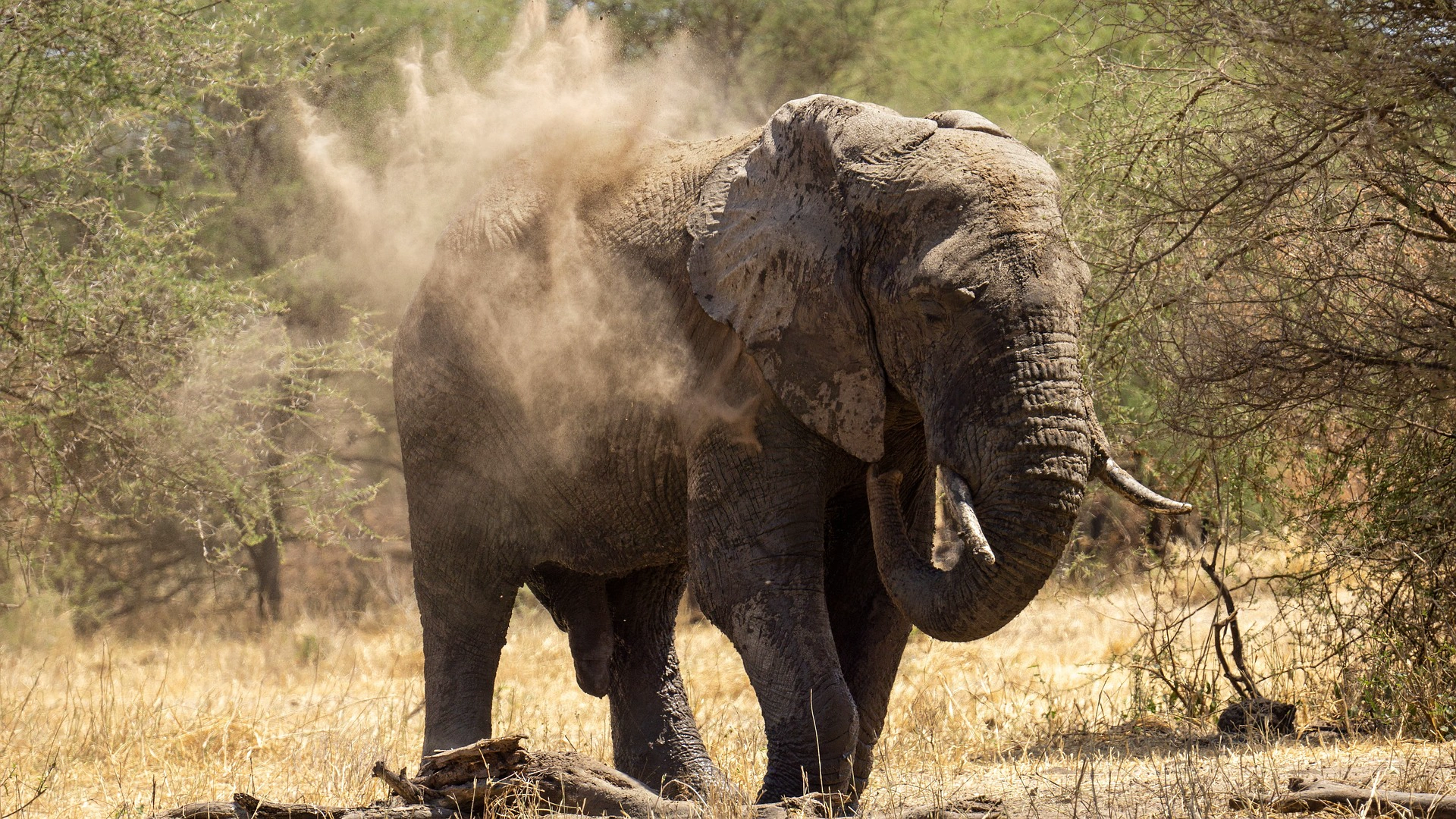
Tarangire National Park is a jewel in Tanzania's northern safari circuit, renowned for its spectacular scenery and an unparalleled concentration of wildlife. The park's landscape is a captivating mix of grassy savannas, acacia woodlands, and ancient baobab trees that stand as silent sentinels over the plains. The Tarangire River, from which the park takes its name, is its lifeblood, attracting an astonishing number of animals during the dry season. This period, from June to October, transforms the park into a magnificent spectacle as thousands of animals, including massive herds of elephants, gather along the riverbanks to drink and graze.What sets Tarangire apart is its massive elephant population, the highest concentration of elephants in any park in Tanzania. Herds of up to 300 individuals can be seen traversing the park, a truly breathtaking sight. But the park's appeal extends far beyond these gentle giants. It is also home to a diverse array of other wildlife, including lions, leopards, and cheetahs, as well as an abundance of zebras, wildebeest, buffalo, and a variety of unique antelopes like the elegant fringe-eared oryx and the long-necked gerenuk. The swamps and riverine areas also provide a sanctuary for a thriving population of hippos and other water-loving animals.For bird enthusiasts, Tarangire is nothing short of a paradise, with over 550 bird species recorded. The park's diverse habitats, from its swamps and riverbanks to its woodlands and open plains, provide a haven for both resident and migratory birds. Visitors can spot everything from the colorful yellow-collared lovebirds to the majestic bateleur eagles. Whether you're a seasoned safari-goer or embarking on your first adventure, Tarangire offers a raw and authentic African experience, a place where the grandeur of nature unfolds on a magnificent scale and provides a deep connection to the wild heart of Tanzania.
-
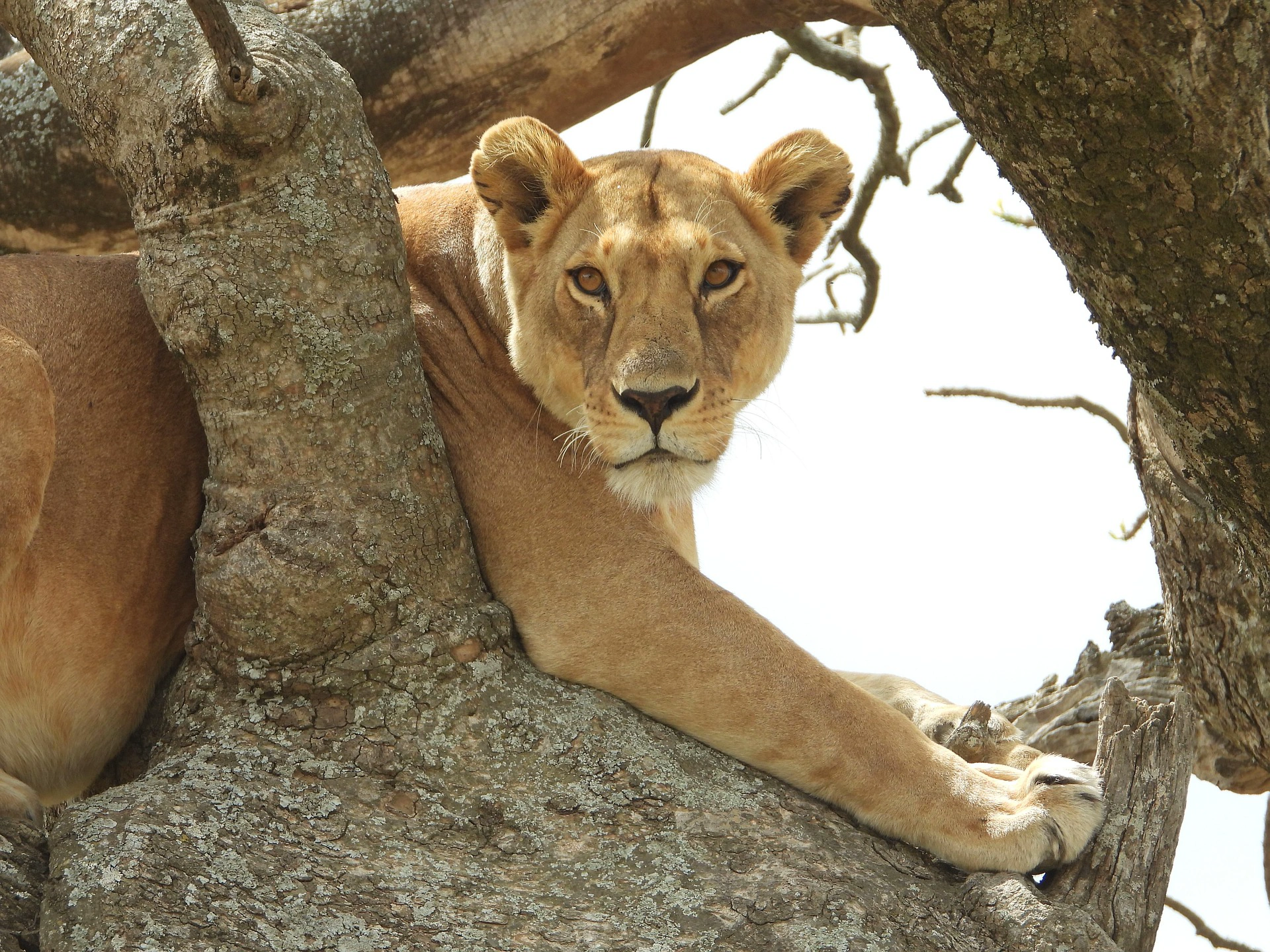
Lake Manyara National Park
Situated beneath the magnificent cliffs of the Great Rift Valley, Lake Manyara National Park is a compact yet incredibly diverse safari destination. Often referred to as "Ernest Hemingway's loveliest park," this scenic gem offers an extraordinary variety of habitats within a small area, from the lush groundwater forests at the park's entrance to the acacia woodlands and grassy floodplains that stretch to the shores of its namesake lake. This unique ecological tapestry supports an impressive concentration of wildlife and makes for a visually stunning backdrop to any safari.The park is famous for a few unique features. Most notably, Lake Manyara is one of the only places in Africa where you can spot the rare tree-climbing lions, often found lounging languidly in the branches of acacia and sausage trees. The park also boasts one of the highest concentrations of baboons in the world, with large, active troops providing constant entertainment. Beyond the primates and felines, visitors can expect to see large herds of elephants, which the park was originally established to protect, as well as buffalo, giraffes, wildebeest, and various antelopes.Lake Manyara itself is a shallow, alkaline lake that is a major attraction, especially for birdwatching. During the wet season, the lake is a breathtaking sight, with vast flocks of pink-hued flamingos creating a vibrant spectacle on its shores. Over 400 bird species have been recorded here, making it a true birder's paradise year-round. Beyond traditional game drives, the park also offers opportunities for canoeing on the lake, walking safaris along the rift valley escarpment, and a unique treetop walkway for a bird's-eye view of the forest canopy, providing a different perspective on this remarkable park.
-
Arusha City
Arusha is more than just a gateway to Tanzania's world-famous safari parks; it is a vibrant and bustling city with a character all its own. Often referred to as the "Safari Capital of the World," Arusha is the starting point for nearly all adventures on the Northern Circuit, including journeys to the Serengeti, Ngorongoro, Tarangire, and Lake Manyara. Situated at the foot of Mount Meru and surrounded by coffee plantations, its unique location provides a pleasant, temperate climate year-round. This lively city serves as a hub of activity where visitors can prepare for their wild excursions, stocking up on supplies, meeting their guides, and soaking in the energetic atmosphere.Beyond its role as a safari launchpad, Arusha offers a rich tapestry of cultural and historical experiences. The city has a fascinating past, evident in landmarks like the Arusha Clock Tower and the Old German Boma, which now houses the National Natural History Museum. Visitors can explore the bustling local markets, where the sights, sounds, and smells of traditional African life abound, or visit the Cultural Heritage Centre to learn about the country's diverse tribes and art. Arusha is also a significant diplomatic center, hosting the headquarters of the East African Community, earning it the nickname "the Geneva of Africa."For those with more time to spare, Arusha and its immediate surroundings provide a wealth of activities. Just a short drive away lies Arusha National Park, a small but stunning park offering a chance to see giraffes, zebras, and monkeys, as well as canoe safaris on the Momella Lakes. Adventure seekers can embark on a multi-day trek up Mount Meru, a challenging and rewarding climb that serves as a great warm-up for Mount Kilimanjaro. Other local attractions include visiting a local coffee plantation to learn about the bean-to-cup process, or taking a refreshing dip in the beautiful Chemka Hot Springs, making Arusha a destination in its own right.
-
Arusha National Park
Tucked away in the shadow of Mount Meru, Arusha National Park is a captivating destination often overlooked on the classic northern Tanzania safari circuit. While it may not boast the massive herds of the Serengeti or the Big Five in the same abundance as the Ngorongoro Crater, this small but diverse park offers a unique and intimate safari experience that is second to none. Its proximity to Arusha and Kilimanjaro International Airport makes it the perfect day trip, or a spectacular starting point for a longer Tanzanian adventure.Arusha National Park is a jewel of diverse habitats, all packed into a compact area. The park's stunning scenery is defined by three key features:Mount Meru: The park's centerpiece is this magnificent stratovolcano, Tanzania's second-highest peak at 4,562 meters. Often considered a "warm-up" for Kilimanjaro, Mount Meru offers a challenging and rewarding trek with breathtaking views, including a glimpse of its famous neighbor.The Momella Lakes: A series of seven shallow, alkaline lakes in the park's northeast, the Momella Lakes are a paradise for birdwatchers. Their waters are often colored by algae and teeming with a huge variety of resident and migratory birds, including thousands of vibrant flamingos.Ngurdoto Crater: Known as "Little Ngorongoro," this volcanic caldera is a lush, swampy basin surrounded by steep, forested cliffs. The crater floor is a haven for buffalos, warthogs, and a variety of antelopes, which can be viewed from scenic lookout points along the rim.
-
Mikumi National Park
Often referred to as the "Little Serengeti" for its wide-open plains and abundant wildlife, Mikumi National Park is a fantastic safari destination that offers a classic African wilderness experience without the crowds of the Northern Circuit. Located in Tanzania's southern region, its accessibility from Dar es Salaam makes it a popular choice for both day trips and longer safaris, serving as a key gateway to other parks like Ruaha and Nyerere.A Landscape of DiversityMikumi's landscape is a captivating mix of open plains, woodlands, and a unique mountainous backdrop. The park's main features include:The Mkata Floodplain: This vast, open plain is the heart of the park's wildlife viewing. Its resemblance to the Serengeti's expansive savannahs is uncanny, with scattered acacia and baobab trees providing a picturesque setting. During the dry season, the Mkata River and its pools are a magnet for wildlife.The Uluguru and Rubeho Mountains: These majestic mountain ranges form a dramatic backdrop to the park's plains. They are part of the Eastern Arc Mountains and contribute to the park's varied ecosystem, with miombo woodlands and afromontane forests on their slopes.The Hippo Pools: Located near the main gate, these man-made pools are a favorite spot for large numbers of hippos and a variety of waterbirds, offering excellent and reliable viewing opportunities.A Haven for WildlifeMikumi National Park is home to a rich diversity of wildlife. While it may not have the rhinos of the "Big Five," you have excellent chances of spotting four of them; lions, leopards, elephants, and buffaloes.Big Game: The park's star attractions include large herds of elephants and buffaloes, often seen around water sources. Lions are a common sight, and Mikumi is even known for its populations of "tree-climbing lions," a rare behavior also found in Lake Manyara.Plains Animals: The Mkata Floodplain teems with classic plains animals, including giraffes, zebras, wildebeest, and impalas.Unique Species: Mikumi is a great place to see some of the more unique antelopes of the southern circuit, such as the sable antelope, greater kudu, and Lichtenstein's hartebeest. The park also has a resident population of the endangered African wild dog.Birdwatcher's Paradise: With over 400 recorded bird species, Mikumi is a true haven for ornithologists. You can spot everything from the colorful lilac-breasted roller and yellow-throated longclaw to larger birds like the bateleur eagle and various species of storks.Best Time to VisitThe dry season, from June to October, is the most popular time for game viewing. The vegetation is thinner, and animals are easier to spot as they gather around the few remaining water sources.
-
Mkomazi National Park
Welcome to Mkomazi National Park, a hidden gem in northern Tanzania that promises an exclusive and authentic safari experience far from the beaten path. While the names Serengeti and Ngorongoro echo across the globe, Mkomazi offers a tranquil wilderness where conservation and a sense of untamed Africa take center stage. Bordering Kenya’s Tsavo West National Park, Mkomazi is part of one of the largest and most significant protected ecosystems in the world, a true haven for wildlife and an unmissable destination for those seeking an unforgettable adventure.A Sanctuary for Endangered SpeciesAt the heart of Mkomazi’s story is its crucial role in conservation. The park is a vital refuge for two highly endangered species: the black rhino and the African wild dog.The Mkomazi Rhino Sanctuary: This is a major highlight of any visit. Mkomazi is home to a successful rhino breeding program, and a visit to the specially protected sanctuary offers a rare and almost guaranteed opportunity to see the critically endangered black rhino up close. This is a powerful and educational experience that directly supports conservation efforts.The African Wild Dog: Mkomazi is also one of the few places in Tanzania where you can reliably find the sociable and equally endangered African wild dog, a truly special sighting for any safari enthusiast.Wildlife of MkomaziWhile the wildlife population may be less dense than in more famous parks, the species found here are unique to the arid landscape and provide a rewarding experience for the patient observer. Mkomazi is home to typical dry-country animals, including:Unique Antelopes: Look for the fringe-eared oryx, a magnificent antelope with scimitar-like horns, and the elegant gerenuk, a "giraffe-necked" gazelle that stands on its hind legs to browse on bushes.The "Big Five": Although wildlife can be skittish, Mkomazi is one of the few parks where you can see all of the "Big Five" (lion, leopard, elephant, and buffalo, with the black rhino from the sanctuary).Plains Game: You'll encounter herds of elephants, buffalo, zebra, eland, and giraffe, especially around water sources like the Dindira Dam.Birdwatcher's Paradise: With over 400 species recorded, Mkomazi is a fantastic destination for birding. Keep an eye out for dry-country specials like the stunning vulturine guineafowl, the northern goshawk, and various hornbills.
-
Zanzibar
Zanzibar is more than just a destination; it's an enchanting experience. Located off the coast of Tanzania in the Indian Ocean, this archipelago is a unique blend of cultures, with a history shaped by African, Arab, Persian, Indian, and European influences. From the turquoise waters and powdery white sands to the winding alleys of Stone Town, Zanzibar offers a journey for every kind of traveler.Explore the Rich History and CultureZanzibar's story is written in its ancient stones and fragrant spices.Stone Town: A UNESCO World Heritage Site, Stone Town is the beating heart of Zanzibar. Get lost in its labyrinthine alleys, where every turn reveals intricately carved wooden doors, bustling markets, and historical landmarks like the Old Fort and the House of Wonders. This is a place where you can feel the echoes of the past, from the days of the Omani sultans to the era of the spice trade.A Fusion of Cultures: The island's culture is a vibrant mosaic. You'll hear the melodic call to prayer echoing from the minarets, see women in traditional "buibuis," and experience a way of life deeply rooted in Swahili and Islamic traditions. The local cuisine is a testament to this cultural fusion, with flavors of coconut, tamarind, and the island's famous spices.Spice Tours: Zanzibar's nickname, "The Spice Islands," is well-deserved. A guided spice tour takes you through lush plantations where you can see, touch, and taste a variety of spices in their natural form, from cinnamon and cloves to nutmeg and vanilla.Indulge in Natural WondersZanzibar's natural beauty is the stuff of dreams.Pristine Beaches: The archipelago is home to some of the world's most stunning beaches. Picture yourself relaxing on soft, white sand with a backdrop of swaying palms and crystal-clear, warm waters. Popular beaches like Nungwi and Kendwa in the north are famous for their lively atmosphere and spectacular sunsets, while the eastern coast, with beaches like Paje and Jambiani, is a hub for water sports.Underwater Paradise: The coral reefs surrounding the islands are teeming with marine life, making Zanzibar a top destination for snorkeling, diving, and sailing. Take a dhow cruise at sunset for a romantic experience or visit Mnemba Island for some of the best diving spots.Jozani Forest: Venture inland to Jozani-Chwaka Bay National Park, the island's only national park. This lush forest is a sanctuary for the endemic Zanzibar red colobus monkey and other unique wildlife.Prison Island: Just a short boat ride from Stone Town, this island is famous for its sanctuary of giant Aldabra tortoises, some of which are over a hundred years old.Plan Your TripBest Time to Visit: The dry seasons, from June to October and December to February, offer the best weather for enjoying the beaches and outdoor activities.Getting Around: Taxis, local minibuses (dala-dalas), and private drivers are available. Many visitors also enjoy exploring on foot, especially in Stone Town.Travel Essentials: Remember to pack light, breathable clothing, sun protection, and a travel adapter. As Zanzibar is a predominantly Muslim region, it's respectful to dress modestly when in public areas away from the resorts.
-
Materuni Waterfalls
Materuni Waterfalls is a scenic cascade located on the lush southern slopes of Mount Kilimanjaro near Moshi, in northern Tanzania. Renowned for its dramatic drop—around 70 to 80 meters—into a natural pool surrounded by tropical forest, it offers a blend of nature, culture, and adventure within easy reach of the region’s main tourist centers.Setting and AccessNestled in Materuni Village—the last settlement before Kilimanjaro National Park—the waterfall sits amid fertile farmland and rainforest. Visitors typically travel from Moshi or Arusha by road, followed by a 40- to 60-minute guided hike through banana and coffee plantations. The moderate trail is suitable for most hikers, though paths can become slippery during the rainy season.Cultural and Natural ExperienceThe area is home to the Chagga people, who practice traditional agriculture on Kilimanjaro’s volcanic slopes. Many tours combine the waterfall visit with a coffee-making experience: guests pick, roast, and brew Arabica beans while joining in local songs. The cultural immersion continues with opportunities to sample Chagga dishes or the fermented banana beer known as mbege. Wildlife sightings may include blue or colobus monkeys and colorful forest birds.Visitor ActivitiesPopular options include swimming in the cold glacial pool beneath the falls, photography, and guided nature walks. Day-trip itineraries often extend to nearby Chemka Hot Springs (also called Kikuletwa) for a warm-water soak. Entrance and guide fees are modest, and proceeds support local community projects.When to VisitMateruni Waterfalls can be visited year-round. The dry months (June–October and December–February) offer the easiest hiking and clear views of Kilimanjaro, while the rainy seasons (March–May and November) bring fuller flow and lush greenery. Early-morning visits provide cooler temperatures and fewer crowds.ImportanceBeyond its visual appeal, Materuni Waterfalls represents sustainable rural tourism in Tanzania’s Kilimanjaro region—linking environmental preservation, community livelihoods, and cultural heritage within one of East Africa’s most accessible natural attractions.
-
Chemka Hot Springs
Chemka Hot Springs—also known as Kikuletwa or Rundugai Hot Springs—is a geothermal oasis in northern Tanzania’s Kilimanjaro Region. Famed for its turquoise, crystal-clear waters and lush tropical setting, it offers a tranquil spot for swimming, relaxation, and nature exploration between Moshi and Arusha.Setting and natural featuresFed by underground streams from Mount Kilimanjaro, Chemka’s water is continuously renewed and naturally filtered, giving it exceptional clarity. Despite its name—“Chemka” means “boiling” in Swahili—the spring’s temperature is warm, not hot. The pools are surrounded by palm and fig trees whose roots twist dramatically into the water, creating shaded swimming areas alive with birds, butterflies, and playful vervet monkeys.ActivitiesVisitors come primarily to swim and float in the calm geothermal pools. A rope swing offers a popular thrill for those diving into the deeper section. The shallows host small fish that nibble gently at feet, creating a natural “fish-spa” effect. Picnicking, photography, and light nature walks are common, with local vendors selling snacks and drinks under the trees.Access and visitor experienceChemka Hot Springs is typically reached via a 1–1.5-hour drive from Moshi or about two hours from Arusha. The final few kilometers follow a rough dirt track best navigated by 4×4 or with a local tour guide. Basic facilities—changing huts, restrooms, and shaded seating—are available. An entrance fee of about US $10 per person applies. The springs are open year-round; mornings and weekdays offer a quieter atmosphere.Cultural and ecological contextSurrounding villages are home to Chagga and Maasai communities, and some tours include cultural encounters featuring traditional crafts or performances. Revenue from entry fees supports local employment and conservation of this delicate oasis. Whether paired with Kilimanjaro trekking, nearby waterfalls, or Tanzania’s northern safari circuit, Chemka Hot Springs remains a serene retreat blending natural beauty, local culture, and gentle adventure.
-
Lake Eyasi
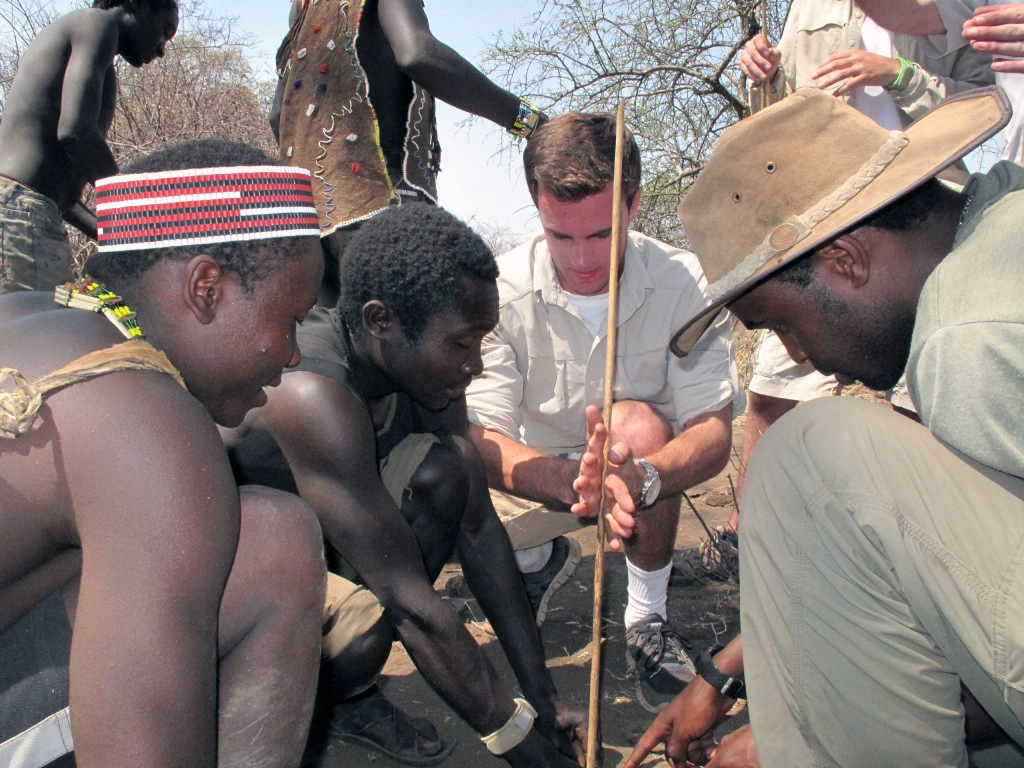
Lake Eyasi is a shallow, seasonal salt lake situated on the floor of the Great Rift Valley in northern Tanzania. Lying southwest of the Ngorongoro Crater and west of Lake Manyara, it forms part of the Eyasi–Wembere branch of the Rift system. The lake is notable for its striking alkaline flats, rich birdlife, and its association with the indigenous Hadzabe and Datoga peoples.Geography and HydrologyLake Eyasi occupies a closed basin bordered by purple lava escarpments and volcanic highlands. Its water level fluctuates dramatically: during the rainy season it fills with shallow, alkaline water; in the dry months it can nearly vanish, leaving glistening salt pans. The Sibiti River supplies most of its inflow, and the lake drains a watershed of about 65,000 square kilometers. Despite its salinity, freshwater springs and inlets sustain fish species such as catfish and lungfish.Ecology and WildlifeThe lake supports significant seasonal populations of flamingos, pelicans, and other wading birds, making it a key birdwatching destination. Palm-fringed shores and acacia woodlands host species like Fischer’s lovebird, African spoonbill, and yellow-billed stork. Hippos occasionally inhabit its brackish shallows when water levels are high.Cultural SignificanceThe Eyasi basin is home to the Hadzabe—one of Africa’s last hunter-gatherer communities—whose foraging lifestyle and click-based language link them to ancient East African traditions. The neighboring Datoga and Mbulu tribes are pastoralists and blacksmiths, trading tools and ornaments for honey and food. Nearby archaeological sites, such as Mumba Cave, have yielded Stone Age artifacts, underscoring the region’s deep human history.Tourism and AccessLake Eyasi lies along Tanzania’s northern safari circuit, about a two-hour drive from Karatu. Travelers visit for cultural exchanges with the Hadzabe and Datoga, guided walks, and birding expeditions. Its serene landscape—contrasting sharply with the nearby Serengeti National Park—offers a quieter, more intimate window into both the natural and cultural heritage of the Rift Valley.
-
Mount Kilimanjaro
Mount Kilimanjaro is a massive stratovolcano located in northeastern Tanzania, near the border with Kenya. It is Africa’s highest peak and one of the most iconic free-standing mountains in the world, rising abruptly from the surrounding plains to 5,895 meters (19,341 feet) above sea level. Its snow-capped summit and ecological diversity make it both a natural wonder and a major trekking destination.Geological and Physical FeaturesMount Kilimanjaro comprises three volcanic cones: Kibo, Mawenzi, and Shira. Kibo, the central cone, contains the highest point, Uhuru Peak. Though dormant, fumarolic activity still occurs at Kibo’s crater. The mountain’s geological structure reflects a complex history of volcanic eruptions and glacial shaping, leaving distinct ecological zones from tropical forests to alpine deserts and glaciers.Climate and GlaciersDespite its equatorial position, Kilimanjaro retains year-round ice fields and glaciers near its summit. However, these have been retreating rapidly over the past century, attributed to climate change and shifts in regional weather patterns. The lower slopes support lush rainforest and montane ecosystems, while higher elevations transition into moorland and barren alpine zones.Cultural and Ecological SignificanceKilimanjaro holds deep cultural meaning for local Chagga communities and features prominently in East African folklore. Ecologically, its forests support diverse flora and fauna, including endemic species. The mountain attracts tens of thousands of climbers annually, contributing significantly to Tanzania’s tourism economy.Exploration and MountaineeringThe first recorded ascent was by Hans Meyer and Ludwig Purtscheller in 1889. Today, several established routes—such as Machame, Marangu, and Lemosho—lead to Uhuru Peak, offering trekkers access to one of the world’s most celebrated climbs.