Stone Town
Zanzibar’s Historic Heart
Stone Town is the cultural and architectural soul of Zanzibar: a dense maze of coral-stone buildings, carved wooden doors, balconies, mosques, and bustling bazaars pressed against the Indian Ocean shoreline. Shaped over centuries by Swahili, Arab, Persian, Indian, and European influences, it feels less like a single neighborhood and more like a living museum—one where daily life unfolds amid grand old merchant houses and narrow, winding alleyways.
Designated a UNESCO World Heritage Site, Stone Town rewards slow exploration. Every corner reveals something new: spice-scented courtyards, antique shops tucked into doorways, children playing soccer in pocket-sized squares, and dhows gliding past the seafront at sunset.
Architecture & Atmosphere
The district is famous for its elaborately carved Zanzibari doors—massive teak frames decorated with brass studs and floral or geometric motifs that once signaled a family’s wealth and status. Buildings rise several stories high, many with inner courtyards designed to channel sea breezes in the tropical heat.
Along the waterfront stands the historic House of Wonders, once the ceremonial palace of Zanzibar’s sultans and among the first structures in East Africa to have electricity and an elevator. Nearby colonial-era buildings and old forts trace the island’s layered past as a trading hub linking Africa, Arabia, and Asia.
Markets, Food & Evening Life
Stone Town comes alive in the late afternoon when locals gather along the shoreline and food vendors set up grills at Forodhani Gardens. This nightly street-food market is the best place to sample Zanzibari flavors—seafood skewers, Zanzibar pizza, sugarcane juice, samosas, and spiced cassava.
In the interior lanes, Darajani Market offers a sensory overload of fruit stalls, fishmongers, spice sellers, and everyday commerce, giving visitors a real glimpse into local life beyond the heritage facades.
Music & Cultural History
Stone Town is also known as the birthplace of Freddie Mercury, lead singer of Queen, and his childhood home is preserved today as the Freddie Mercury Museum. Cultural centers and restored merchant houses around town host exhibitions on Swahili culture, maritime trade, and Zanzibar’s complex social history.

Other Attractions near Stone Town
-
Zanzibar
Zanzibar is more than just a destination; it's an enchanting experience. Located off the coast of Tanzania in the Indian Ocean, this archipelago is a unique blend of cultures, with a history shaped by African, Arab, Persian, Indian, and European influences. From the turquoise waters and powdery white sands to the winding alleys of Stone Town, Zanzibar offers a journey for every kind of traveler.Explore the Rich History and CultureZanzibar's story is written in its ancient stones and fragrant spices.Stone Town: A UNESCO World Heritage Site, Stone Town is the beating heart of Zanzibar. Get lost in its labyrinthine alleys, where every turn reveals intricately carved wooden doors, bustling markets, and historical landmarks like the Old Fort and the House of Wonders. This is a place where you can feel the echoes of the past, from the days of the Omani sultans to the era of the spice trade.A Fusion of Cultures: The island's culture is a vibrant mosaic. You'll hear the melodic call to prayer echoing from the minarets, see women in traditional "buibuis," and experience a way of life deeply rooted in Swahili and Islamic traditions. The local cuisine is a testament to this cultural fusion, with flavors of coconut, tamarind, and the island's famous spices.Spice Tours: Zanzibar's nickname, "The Spice Islands," is well-deserved. A guided spice tour takes you through lush plantations where you can see, touch, and taste a variety of spices in their natural form, from cinnamon and cloves to nutmeg and vanilla.Indulge in Natural WondersZanzibar's natural beauty is the stuff of dreams.Pristine Beaches: The archipelago is home to some of the world's most stunning beaches. Picture yourself relaxing on soft, white sand with a backdrop of swaying palms and crystal-clear, warm waters. Popular beaches like Nungwi and Kendwa in the north are famous for their lively atmosphere and spectacular sunsets, while the eastern coast, with beaches like Paje and Jambiani, is a hub for water sports.Underwater Paradise: The coral reefs surrounding the islands are teeming with marine life, making Zanzibar a top destination for snorkeling, diving, and sailing. Take a dhow cruise at sunset for a romantic experience or visit Mnemba Island for some of the best diving spots.Jozani Forest: Venture inland to Jozani-Chwaka Bay National Park, the island's only national park. This lush forest is a sanctuary for the endemic Zanzibar red colobus monkey and other unique wildlife.Prison Island: Just a short boat ride from Stone Town, this island is famous for its sanctuary of giant Aldabra tortoises, some of which are over a hundred years old.Plan Your TripBest Time to Visit: The dry seasons, from June to October and December to February, offer the best weather for enjoying the beaches and outdoor activities.Getting Around: Taxis, local minibuses (dala-dalas), and private drivers are available. Many visitors also enjoy exploring on foot, especially in Stone Town.Travel Essentials: Remember to pack light, breathable clothing, sun protection, and a travel adapter. As Zanzibar is a predominantly Muslim region, it's respectful to dress modestly when in public areas away from the resorts.
-
Nungwi
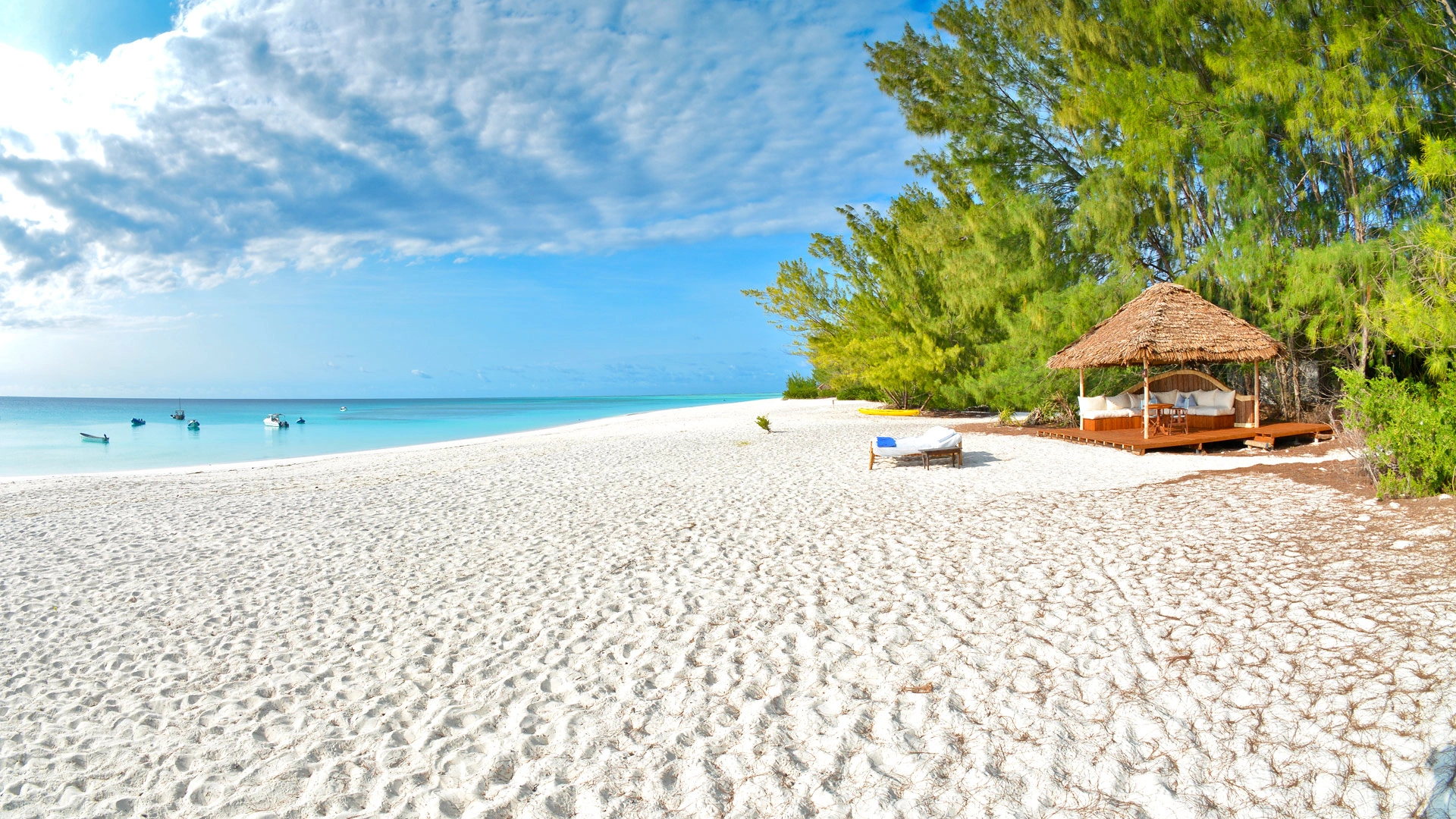
Nungwi is one of Zanzibar’s most celebrated beach destinations, known for its powder-white sand, crystal-clear turquoise water, and dramatic sunsets over the Indian Ocean. Located at the northern tip of the island, it offers a perfect blend of tropical beauty, calm swimming conditions, and relaxed coastal atmosphere—making it an ideal finale after a safari through Tanzania’s national parks.Unlike much of the east coast, Nungwi is less affected by strong tidal changes, meaning guests can swim, snorkel, and enjoy boat trips throughout the day. This makes it especially attractive for honeymooners, families, and travelers looking for uninterrupted beach time.Beaches & Natural BeautyNungwi’s shoreline stretches in a long crescent of soft coral sand fringed by palm trees and warm, shallow waters. Traditional wooden dhows glide across the horizon in the late afternoon, while fishermen mend nets along the shore—adding authentic local character to the postcard scenery.The offshore reefs create calm lagoons ideal for snorkeling, with colorful reef fish visible close to the beach. On clear days, the water glows in layered shades of aquamarine and cobalt, perfect for photography and leisurely swims.Activities in NungwiNungwi offers far more than sunbathing. Popular optional experiences include:Snorkeling and scuba diving on nearby coral reefsSunset dhow cruisesDeep-sea fishing excursionsPaddleboarding and kayakingVillage walks to explore local lifeSpa treatments and beachside massagesWhether guests prefer active days on the water or slow afternoons beneath a parasol with a cold drink, Nungwi provides the space and rhythm to unwind completely.Village Life & CultureBehind the beachfront resorts lies Nungwi village itself—a lively coastal community with small shops, cafés, and boatyards where traditional dhows are still built by hand. Walking through the village gives visitors insight into daily island life and Zanzibar’s centuries-old maritime traditions.Seafood restaurants line the beach in the evenings, serving freshly grilled lobster, prawns, calamari, and Swahili-spiced curries accompanied by ocean breezes and starlit skies.Why Nungwi Works Perfectly After SafariAfter days of early starts and long game drives, Nungwi delivers exactly what most safari travelers crave:Soft-sand beaches and warm seasMinimal tidal disruption for swimmingExcellent snorkeling and divingRomantic sunsetsWide choice of beach resortsEasy road access from the airport or historic quarterFor Serengeti Steppe Travels itineraries, Nungwi functions as the ultimate decompression zone—a place to slow down, reflect on the safari experience, and enjoy the Indian Ocean before departure or onward travel.
-

Abeid Amani Karume International Airport
Abeid Amani Karume International Airport is the main aviation hub serving Zanzibar and the primary arrival point for travelers connecting from Tanzania’s safari circuit or international destinations. Located just south of the island’s historic quarter, the airport provides quick road access to Stone Town, northern beach resorts, and the east coast—making it a convenient transition point between wildlife adventures and ocean relaxation.For Serengeti Steppe Travels itineraries, this airport is typically used for scheduled domestic flights from safari airstrips and regional international services, allowing guests to move smoothly from the bush to the beach in a single travel day.Location & AccessibilityThe airport sits only a short drive from Zanzibar’s historic center, while road transfers to northern beach areas usually take around one to one and a half hours depending on traffic. Resorts along the east coast can generally be reached within an hour, making the airport well positioned for onward travel across the island.Because of its compact layout, transfers are efficient and uncomplicated, particularly when pre-arranged through a safari operator or hotel representative.Arrivals ExperienceOn arrival, passengers pass through immigration and baggage claim before entering the public arrivals hall where drivers and representatives wait with name boards. The terminal is modern by regional standards and continues to expand, with air-conditioned spaces and improved passenger flow compared to earlier years.Customs and health checks are generally straightforward, and most travelers find the process quick during non-peak hours. Serengeti Steppe Travels coordinates meet-and-greet services here to ensure a seamless start to the Zanzibar portion of the journey.Facilities & ServicesInside the terminal, travelers will find currency exchange counters, small cafés, duty-free outlets, and basic retail shops selling snacks and travel essentials. Seating areas and restrooms are available throughout the departure halls, and mobile connectivity is easy to arrange through local SIM card vendors nearby.While the airport is not designed for long layovers, its size works in travelers’ favor by keeping walking distances short and check-in procedures relatively efficient.Why Zanzibar Airport Matters in a Safari & Beach ItineraryFor combined safari-and-island journeys, Zanzibar International Airport plays a critical logistical role. It allows same-day connections from the Serengeti via regional flights. It minimizes long overland transfers at the end of a trip. It places guests close to both Stone Town hotels and beach resorts. It simplifies departure planning for international flights home.Because of this, most Tanzania safari extensions to Zanzibar are built around arrivals and departures through this airport.