Big 5 Safari
The Ultimate Quest in Tanzania's Wilderness
For many, the ultimate safari dream is to witness Africa's legendary "Big 5." This iconic group of animals: the lion, leopard, elephant, rhino, and buffalo, is the cornerstone of a classic safari adventure. A Big 5 Safari in Tanzania's world-class national parks is a thrilling pursuit, offering the best chance to see these magnificent creatures in their natural habitat. Our guide is designed to help you plan a journey that not only checks off your Big 5 list but also provides a deeper, more meaningful connection to the wild.
What are the Big 5?
The term "Big 5" was coined by big-game hunters to denote the five most difficult and dangerous animals to hunt on foot. Today, the term has been reclaimed by the safari industry to represent the pinnacle of wildlife viewing. Each of the Big 5 is a symbol of Africa's raw power and beauty:
- Lion: The majestic King of the Jungle, often found in prides, a sighting of a lion on the hunt or at rest is a truly humbling experience.
- Leopard: The most elusive of the five, known for its secretive, solitary nature. Spotting a leopard draped over a tree branch is a rare and unforgettable moment.
- Elephant: The gentle giant and the largest land mammal. Witnessing a herd of elephants, from the protective matriarch to the playful calves, is a poignant sight.
- Rhino: Critically endangered, sighting a rhino is a profound experience. Tanzania is home to the black rhino, and the chance to see this ancient animal is a testament to dedicated conservation efforts.
- Buffalo: The formidable Cape buffalo, known for its unpredictable and formidable nature. Large herds grazing on the open plains create a striking safari scene.
Where to Find the Big 5 in Tanzania
Tanzania's northern circuit is a prime destination for a Big 5 safari, with several parks offering excellent opportunities to see all five species.
- Ngorongoro Crater: Considered one of the best places in Africa to see the Big 5 in a single day. The crater floor's unique, enclosed ecosystem has a high density of wildlife, including a resident population of the elusive black rhino.
- Serengeti National Park: Renowned for its abundant lions and the dramatic Great Wildebeest Migration, the Serengeti's vast plains also offer excellent opportunities to spot elephants, buffalos, and the elusive leopard.
- Tarangire National Park: While famous for its massive elephant herds, Tarangire is also a great place to find lions, leopards, and buffalo. Rhino sightings, however, are rare.
- Lake Manyara National Park: This park is a hidden gem for the Big 5. While it lacks rhinos, it offers a great chance to see the famous tree-climbing lions.
The Best Time for a Big 5 Safari
While a Big 5 safari is possible year-round in Tanzania, the dry season (June to October) is generally considered the best time. The vegetation is sparse, making it easier to spot animals, and the lack of rain means animals gather around shrinking water sources, creating a higher concentration of wildlife. However, the green season (November to May) has its own charm, with lush landscapes, fewer crowds, and the chance to see newborn animals.
Where can I do Big 5 Safari?
-
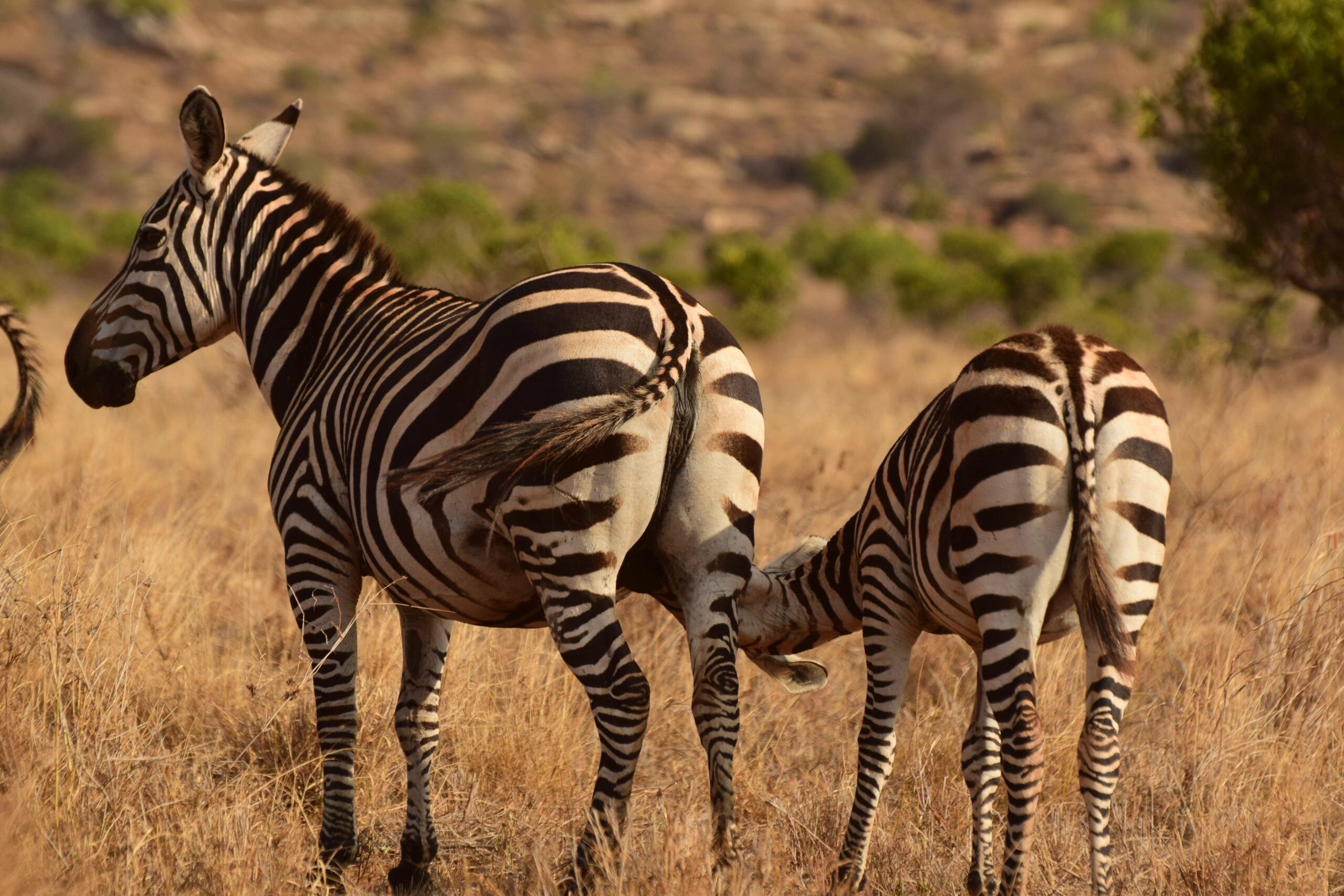
Arusha National Park
Tucked away in the shadow of Mount Meru, Arusha National Park is a captivating destination often overlooked on the classic northern Tanzania safari circuit. While it may not boast the massive herds of the Serengeti or the Big Five in the same abundance as the Ngorongoro Crater, this small but diverse park offers a unique and intimate safari experience that is second to none. Its proximity to Arusha and Kilimanjaro International Airport makes it the perfect day trip, or a spectacular starting point for a longer Tanzanian adventure.Arusha National Park is a jewel of diverse habitats, all packed into a compact area. The park's stunning scenery is defined by three key features:Mount Meru: The park's centerpiece is this magnificent stratovolcano, Tanzania's second-highest peak at 4,562 meters. Often considered a "warm-up" for Kilimanjaro, Mount Meru offers a challenging and rewarding trek with breathtaking views, including a glimpse of its famous neighbor.The Momella Lakes: A series of seven shallow, alkaline lakes in the park's northeast, the Momella Lakes are a paradise for birdwatchers. Their waters are often colored by algae and teeming with a huge variety of resident and migratory birds, including thousands of vibrant flamingos.Ngurdoto Crater: Known as "Little Ngorongoro," this volcanic caldera is a lush, swampy basin surrounded by steep, forested cliffs. The crater floor is a haven for buffalos, warthogs, and a variety of antelopes, which can be viewed from scenic lookout points along the rim.
-
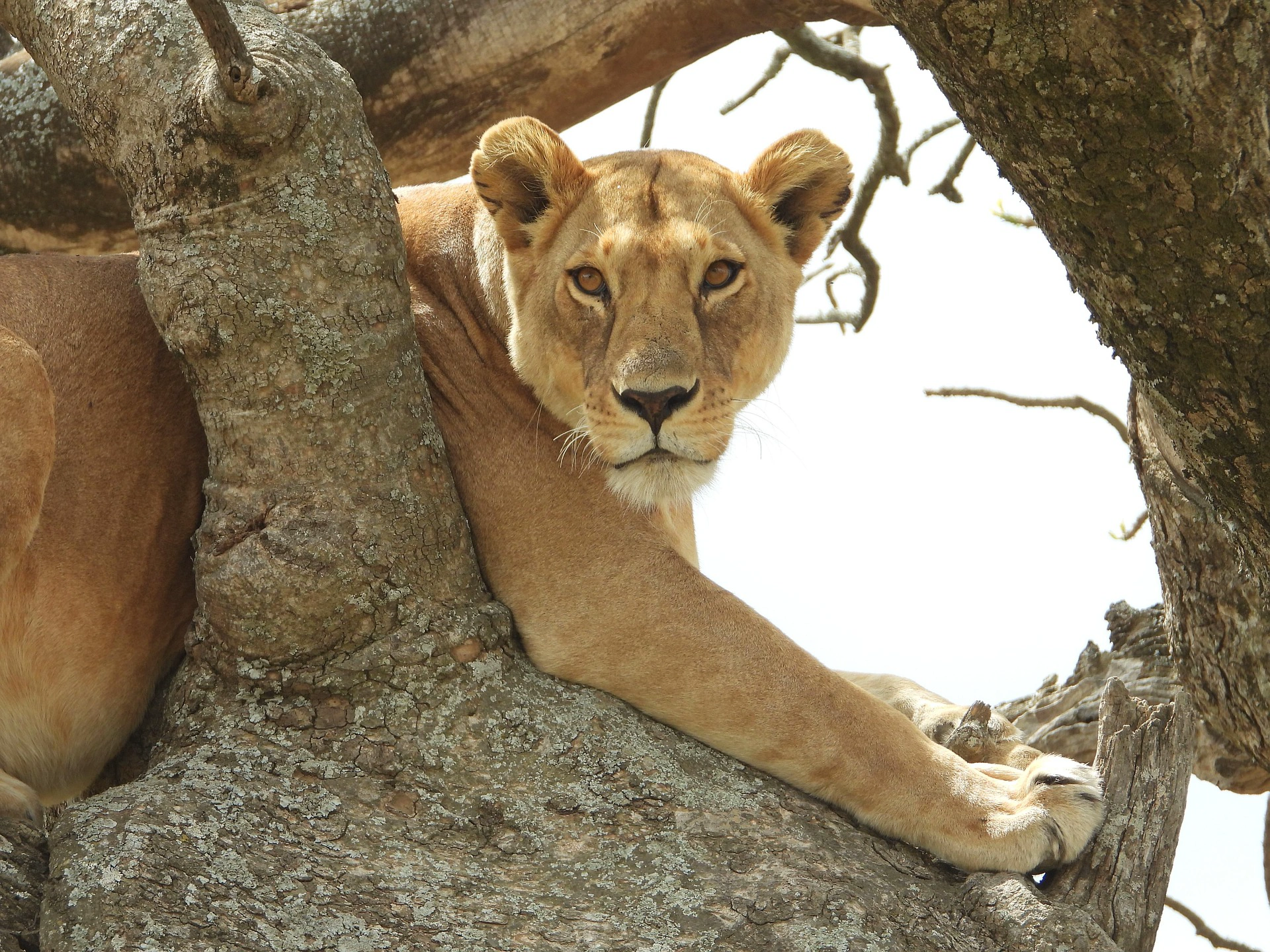
Lake Manyara
Situated beneath the magnificent cliffs of the Great Rift Valley, Lake Manyara National Park is a compact yet incredibly diverse safari destination. Often referred to as "Ernest Hemingway's loveliest park," this scenic gem offers an extraordinary variety of habitats within a small area, from the lush groundwater forests at the park's entrance to the acacia woodlands and grassy floodplains that stretch to the shores of its namesake lake. This unique ecological tapestry supports an impressive concentration of wildlife and makes for a visually stunning backdrop to any safari.The park is famous for a few unique features. Most notably, Lake Manyara is one of the only places in Africa where you can spot the rare tree-climbing lions, often found lounging languidly in the branches of acacia and sausage trees. The park also boasts one of the highest concentrations of baboons in the world, with large, active troops providing constant entertainment. Beyond the primates and felines, visitors can expect to see large herds of elephants, which the park was originally established to protect, as well as buffalo, giraffes, wildebeest, and various antelopes.Lake Manyara itself is a shallow, alkaline lake that is a major attraction, especially for birdwatching. During the wet season, the lake is a breathtaking sight, with vast flocks of pink-hued flamingos creating a vibrant spectacle on its shores. Over 400 bird species have been recorded here, making it a true birder's paradise year-round. Beyond traditional game drives, the park also offers opportunities for canoeing on the lake, walking safaris along the rift valley escarpment, and a unique treetop walkway for a bird's-eye view of the forest canopy, providing a different perspective on this remarkable park.
-
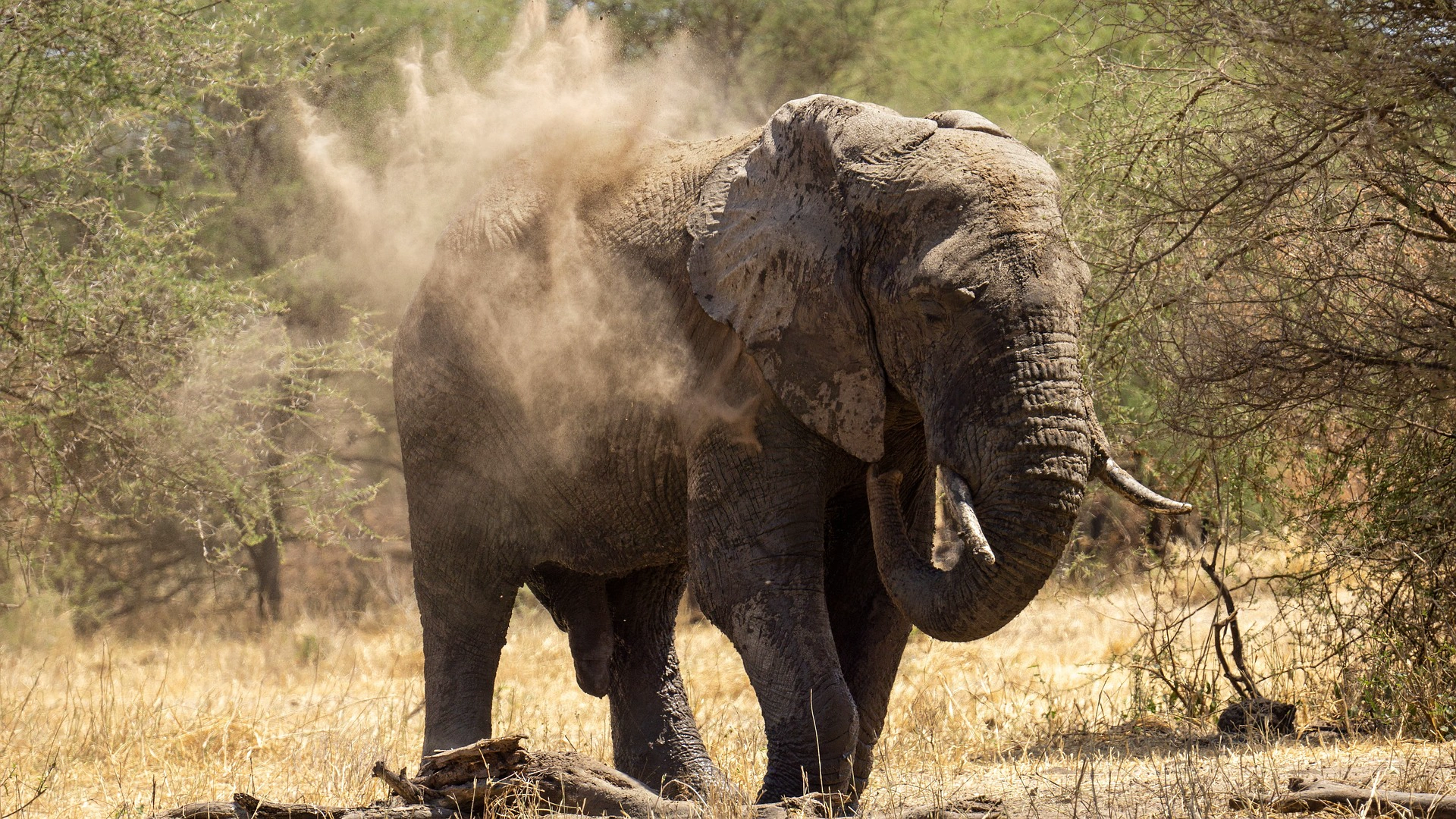
Tarangire
Tarangire National Park is a jewel in Tanzania's northern safari circuit, renowned for its spectacular scenery and an unparalleled concentration of wildlife. The park's landscape is a captivating mix of grassy savannas, acacia woodlands, and ancient baobab trees that stand as silent sentinels over the plains. The Tarangire River, from which the park takes its name, is its lifeblood, attracting an astonishing number of animals during the dry season. This period, from June to October, transforms the park into a magnificent spectacle as thousands of animals, including massive herds of elephants, gather along the riverbanks to drink and graze.What sets Tarangire apart is its massive elephant population, the highest concentration of elephants in any park in Tanzania. Herds of up to 300 individuals can be seen traversing the park, a truly breathtaking sight. But the park's appeal extends far beyond these gentle giants. It is also home to a diverse array of other wildlife, including lions, leopards, and cheetahs, as well as an abundance of zebras, wildebeest, buffalo, and a variety of unique antelopes like the elegant fringe-eared oryx and the long-necked gerenuk. The swamps and riverine areas also provide a sanctuary for a thriving population of hippos and other water-loving animals.For bird enthusiasts, Tarangire is nothing short of a paradise, with over 550 bird species recorded. The park's diverse habitats, from its swamps and riverbanks to its woodlands and open plains, provide a haven for both resident and migratory birds. Visitors can spot everything from the colorful yellow-collared lovebirds to the majestic bateleur eagles. Whether you're a seasoned safari-goer or embarking on your first adventure, Tarangire offers a raw and authentic African experience, a place where the grandeur of nature unfolds on a magnificent scale and provides a deep connection to the wild heart of Tanzania.
-
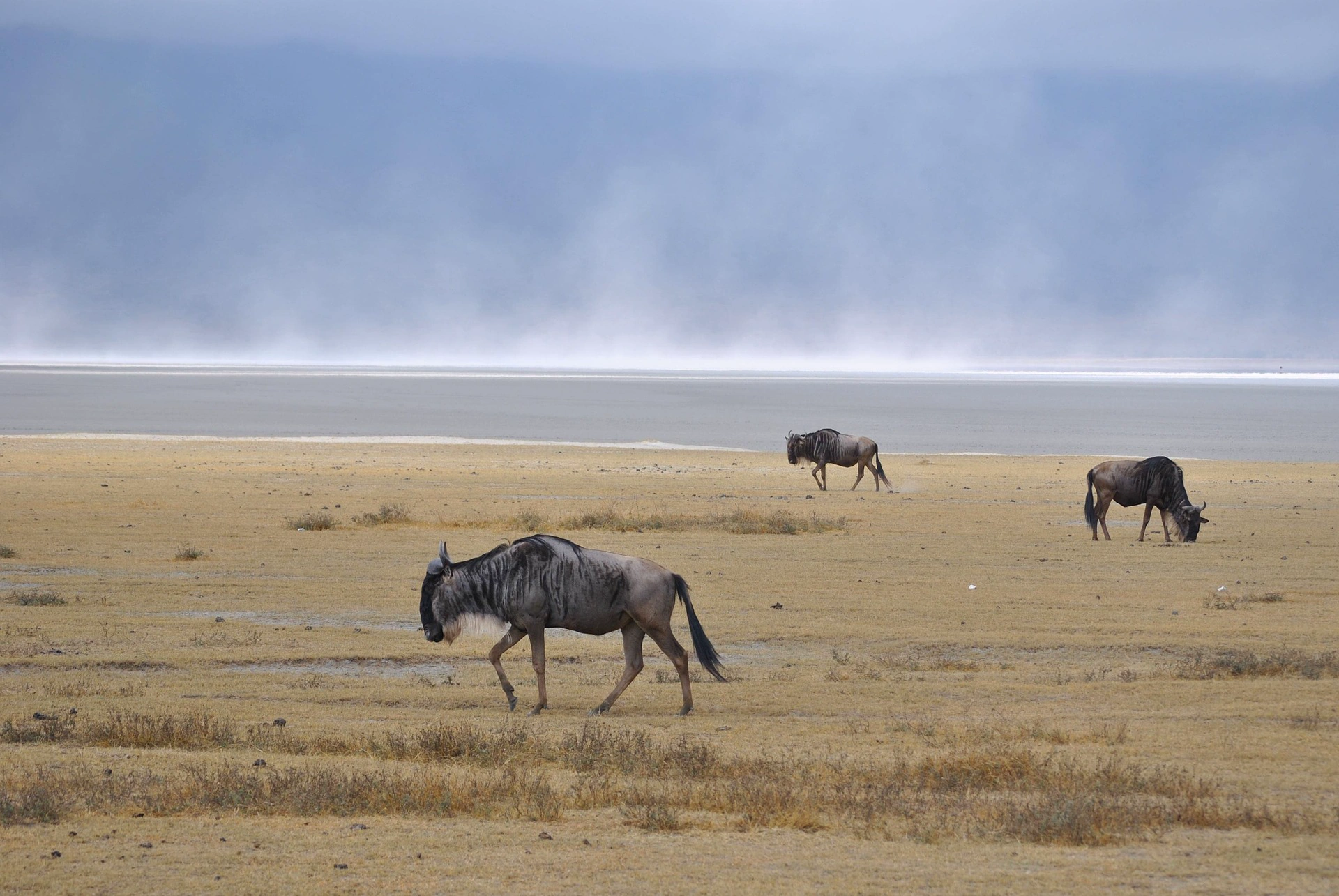
Ngorongoro Crater
The Ngorongoro Conservation Area, a UNESCO World Heritage Site, is a unique and breathtaking natural wonder in northern Tanzania. It is home to the stunning Ngorongoro Crater, the world's largest intact and unfilled volcanic caldera. This natural enclosure provides a haven for an incredible density of wildlife, including the "Big Five" (lion, leopard, elephant, buffalo, and black rhino). The crater floor's diverse habitats, from grasslands to acacia forests, support a thriving ecosystem where visitors can witness an unparalleled concentration of animals in their natural habitat, offering a truly unforgettable safari experience.Beyond the famous crater, the Ngorongoro Conservation Area is a vast landscape of savannas, woodlands, and highland forests. This expansive area is not only a wildlife sanctuary but also a crucial site for human history and cultural heritage. It is here that the Olduvai Gorge, often called the "Cradle of Mankind," is located. This significant archaeological site has yielded some of the earliest evidence of human evolution, making it a pivotal location for understanding our origins. The conservation area's dual focus on wildlife and human heritage makes it a place of profound scientific and cultural importance.What sets the Ngorongoro Conservation Area apart is its unique model of conservation, which allows for a harmonious coexistence between wildlife and the Maasai people, who have traditionally grazed their livestock in the area for centuries. This innovative approach ensures that the land is protected for both its ecological value and its cultural significance. Visitors have the opportunity to engage with the Maasai communities, gaining insight into their traditional way of life and a deeper appreciation for the rich cultural tapestry of the region. A visit to Ngorongoro offers a powerful blend of spectacular natural beauty, incredible wildlife viewing, and a deep connection to human history and living cultures.
Frequently Asked Questions about Big 5 Safari
What is a Big 5 safari?
A Big 5 safari focuses on spotting Africa’s five most iconic animals: lions, leopards, elephants, rhinoceroses, and buffalo. These animals were originally considered the most challenging and dangerous to hunt on foot, but today they are admired in their natural habitats. A Big 5 safari provides the chance to witness these majestic creatures up close while learning about their behavior, ecology, and the conservation efforts protecting them.
When is the best time to go on a Big 5 safari in Tanzania?
While the Big 5 can be seen year-round, the dry season from June to October is generally the best. Sparse vegetation and shrinking water sources concentrate wildlife, making animals easier to spot. The green season from November to May offers lush landscapes, fewer tourists, and opportunities to see newborn animals, providing a different but equally rewarding safari experience.
Where can I see the Big 5 in Tanzania?
The Big 5 are found in several of Tanzania’s premier national parks. Serengeti National Park and Ngorongoro Crater are prime locations for lions, leopards, and buffalo. Tarangire and Ruaha National Parks are renowned for large elephant populations, while rhinos are best seen in Ngorongoro Crater and selected conservation areas. Each park offers a unique combination of landscapes and wildlife concentrations.
What safety measures are in place during a Big 5 safari?
Safety is a top priority. All game drives are conducted in well-maintained 4x4 safari vehicles designed for rugged terrain. Guides provide briefings on wildlife behavior and park rules, and distances from dangerous animals are strictly observed. Our operators also maintain strong relationships with park authorities and conservation teams to ensure up-to-date safety protocols.
Can a Big 5 safari be combined with other experiences?
Yes. Many travelers combine Big 5 safaris with additional adventures such as hot air balloon rides over the Serengeti, cultural visits to Maasai or Hadzabe communities, walking safaris, or photographic tours. These experiences enrich the safari, offering a deeper understanding of Tanzania’s landscapes, wildlife, and cultures.
Why choose Serengeti Steppe for a Big 5 safari?
Serengeti Steppe offers a unique combination of experience, expertise, authority, and trust. Our guides are seasoned experts in wildlife tracking and conservation, we maintain close relationships with park authorities, and we provide personalized itineraries that maximize your chances of sightings. Every safari is conducted ethically, safely, and with the goal of creating lifelong memories for our guests.
Big 5 Safari Inclusive Packages (15)
-
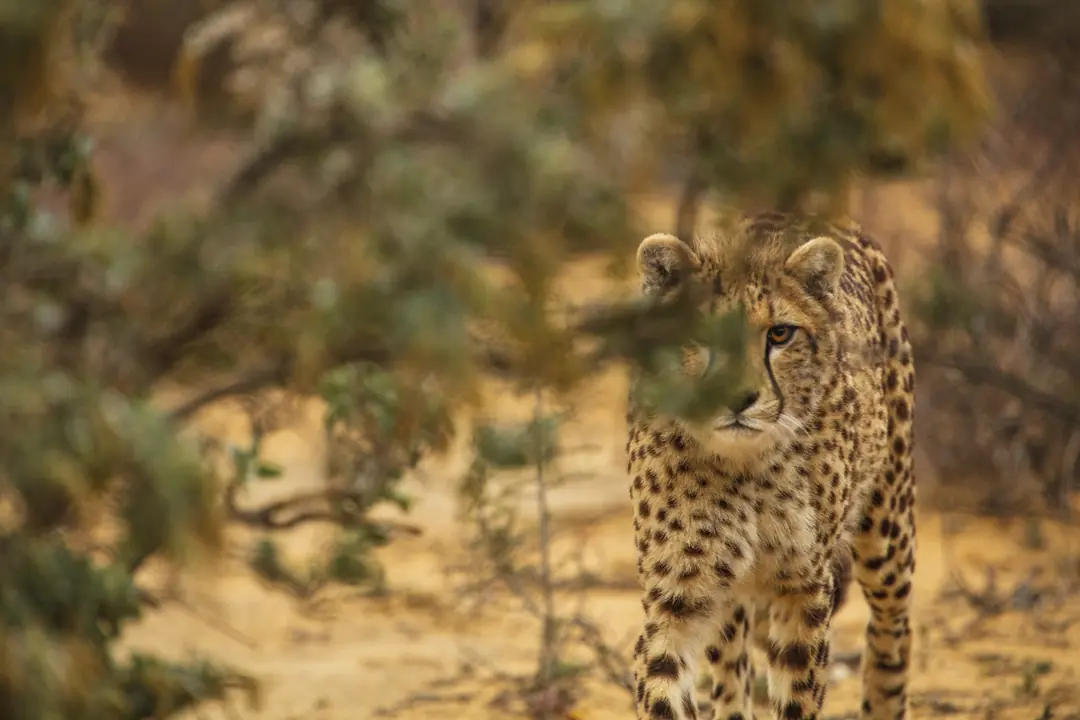 Mid-range
5 Day - Tarangire, Ngorongoro, Serengeti & Lake Manyara Safari
From
$1,550 pp (USD)
Tarangire, Ngorongoro Crater, Lake Manyara
Explore -
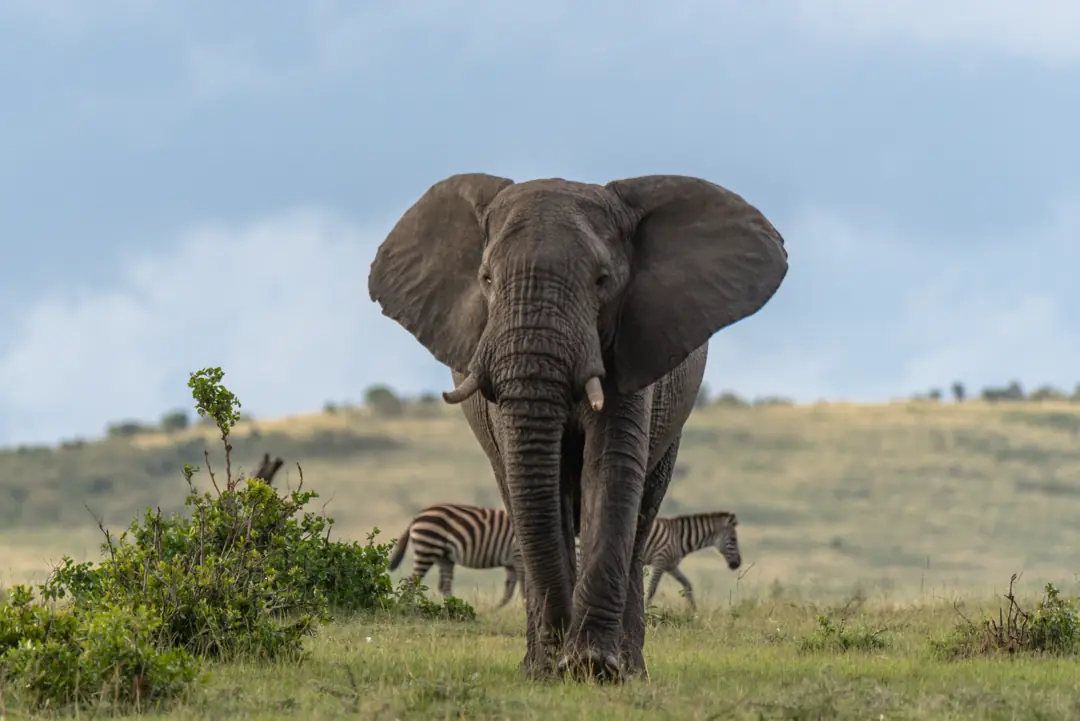 Mid-range
3 Day - Living Among Lions: Tarangire, Serengeti & Ngorongoro
From
$1,100 pp (USD)
Tarangire, Ngorongoro Crater, Lake Manyara
Explore -
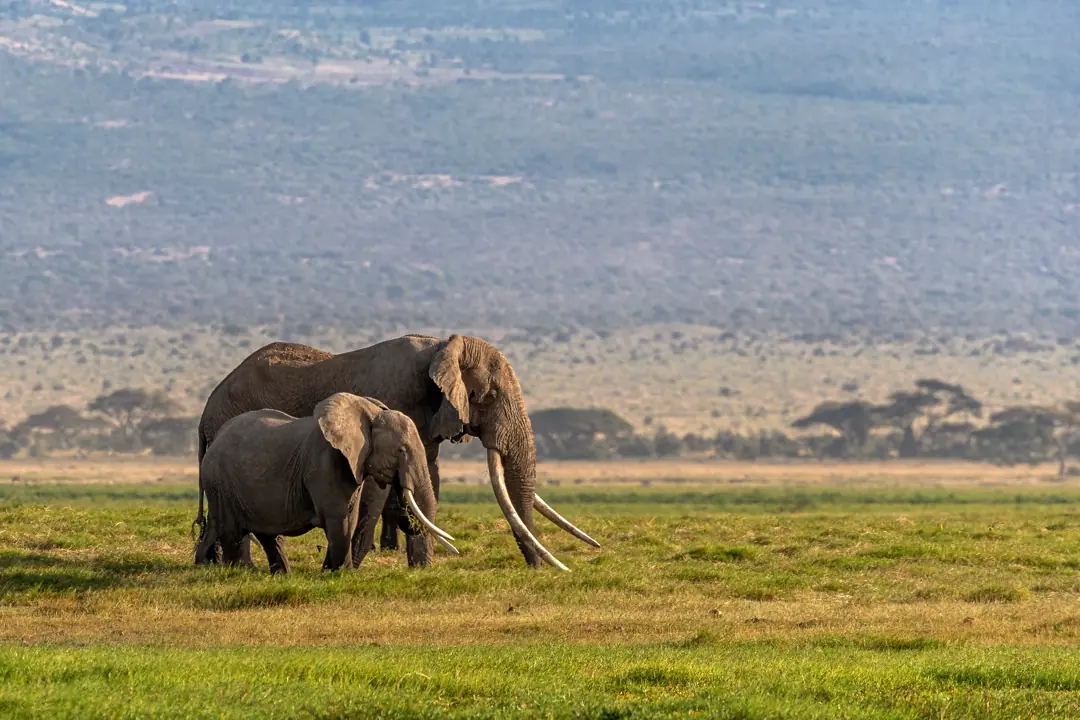 Mid-range
4 Day - Land of the Giants: Tarangire, Ngorongoro & Lake Manyara
From
$1,300 pp (USD)
Tarangire, Ngorongoro Crater, Lake Manyara
Explore -
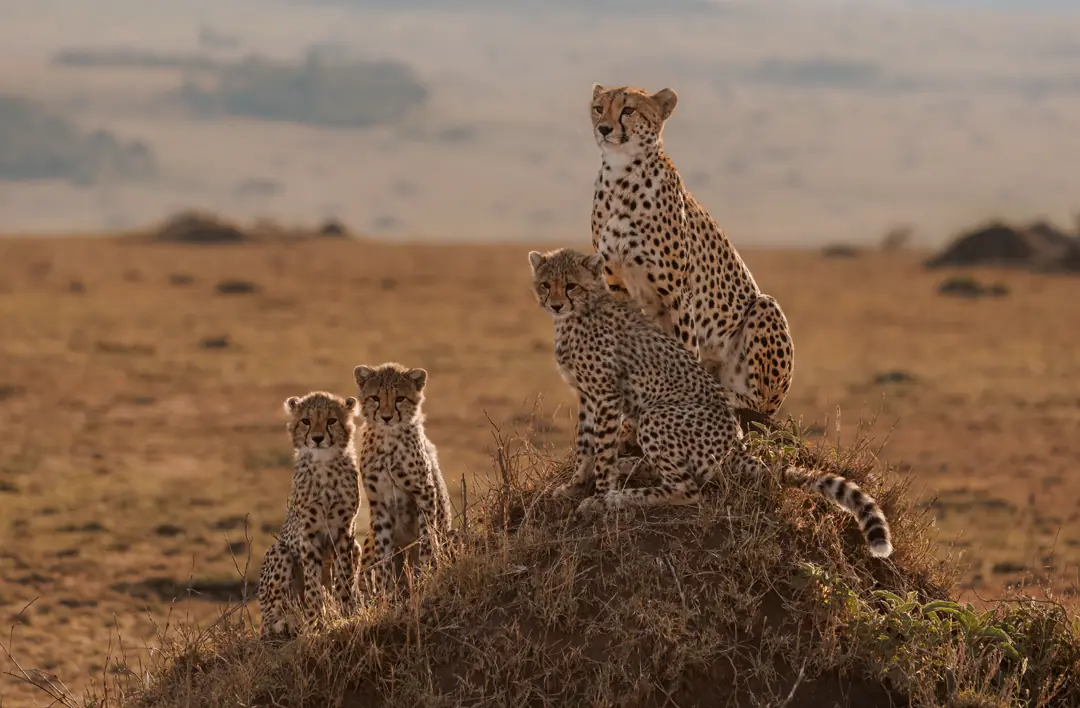 Mid-range
3 Day - Fly-In & Fly-Out Safari: Tarangire, Ngorongoro & Manyara
From
$1,550 pp (USD)
Tarangire, Ngorongoro Crater, Lake Manyara
Explore -
 Luxury
3 Day - Giants & Craters Northern Circuit Luxury Safari
From
$1,295 pp (USD)
Tarangire, Ngorongoro Crater, Lake Manyara
Explore -
 Mid-range
4 Day - Mt Kilimanjaro Hike, Tarangire, Ngorongoro & Manyara
From
$1,397 pp (USD)
Mount Kilimanjaro, Tarangire, Ngorongoro Crater, Lake Manyara
Explore
Stories with Inspirations from Big 5 Safari
•
Winter is coming: Trade Snow for the Savannah
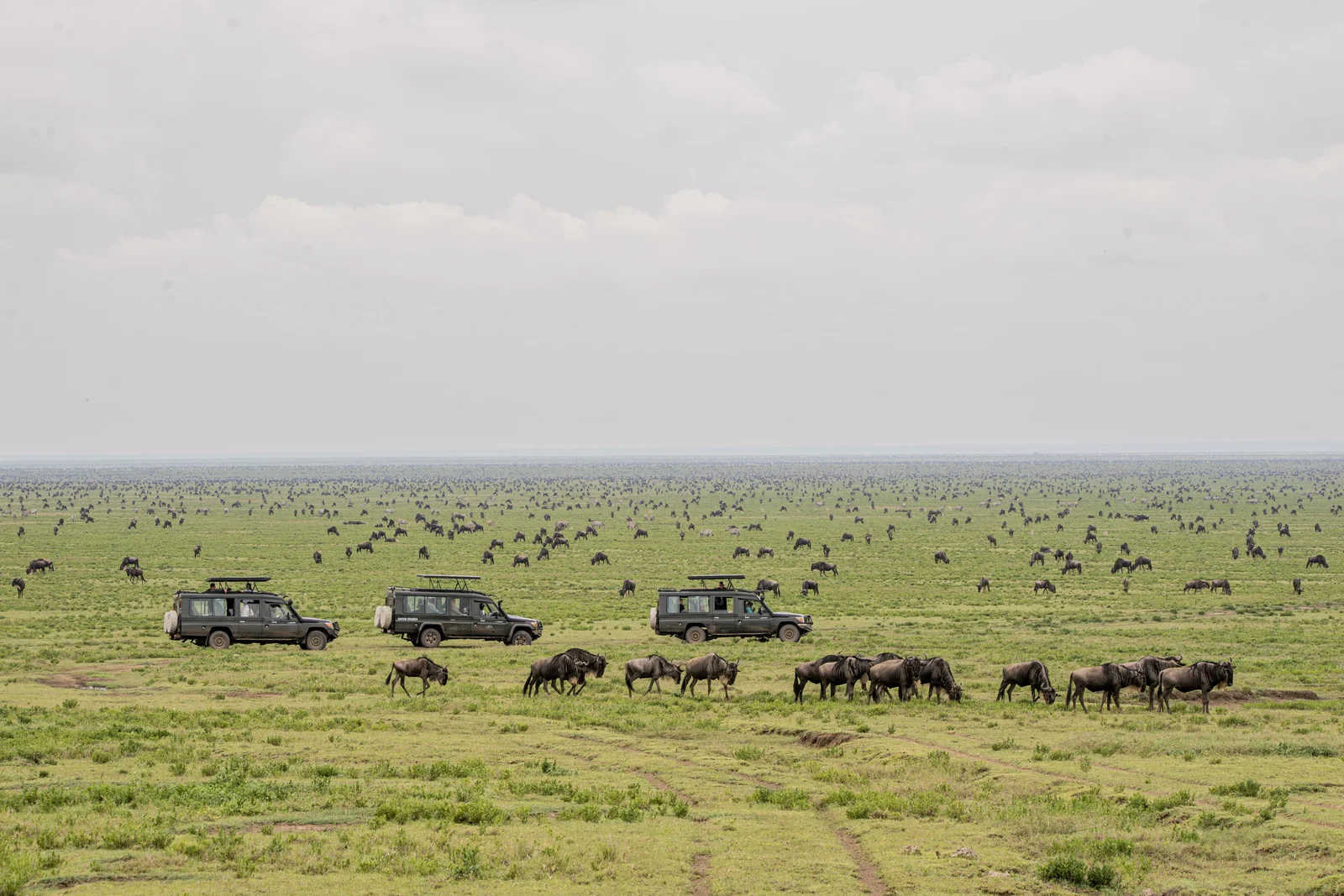
Discover Tanzania’s Green Season. Witness calving wildebeest, prowling predators, and the ultimate Christmas or New Year safari.
By Adeodatus
•
Best Time to Visit Tanzania for Safari (Month by Month Guide)
Tanzania does not switch on and off. It transforms. The plains change color. The migration shifts direction. Predators adapt. Rain reshapes the landscape. What is “best” depends entirely on what kind of safari you want to experience.
By Adeodatus