Ndutu
The Great Migration's southern calving plains
Ndutu is a wildlife area in the southern Serengeti ecosystem, on the Ngorongoro Conservation Area side of the plains. Its short-grass landscapes and seasonal lakes attract migrating wildebeests and zebras during the calving season.
From roughly December to March, visitors may see large herds, newborn calves and predators across the open plains and acacia woodland.
Other Attractions near Ndutu
-
The Serengeti
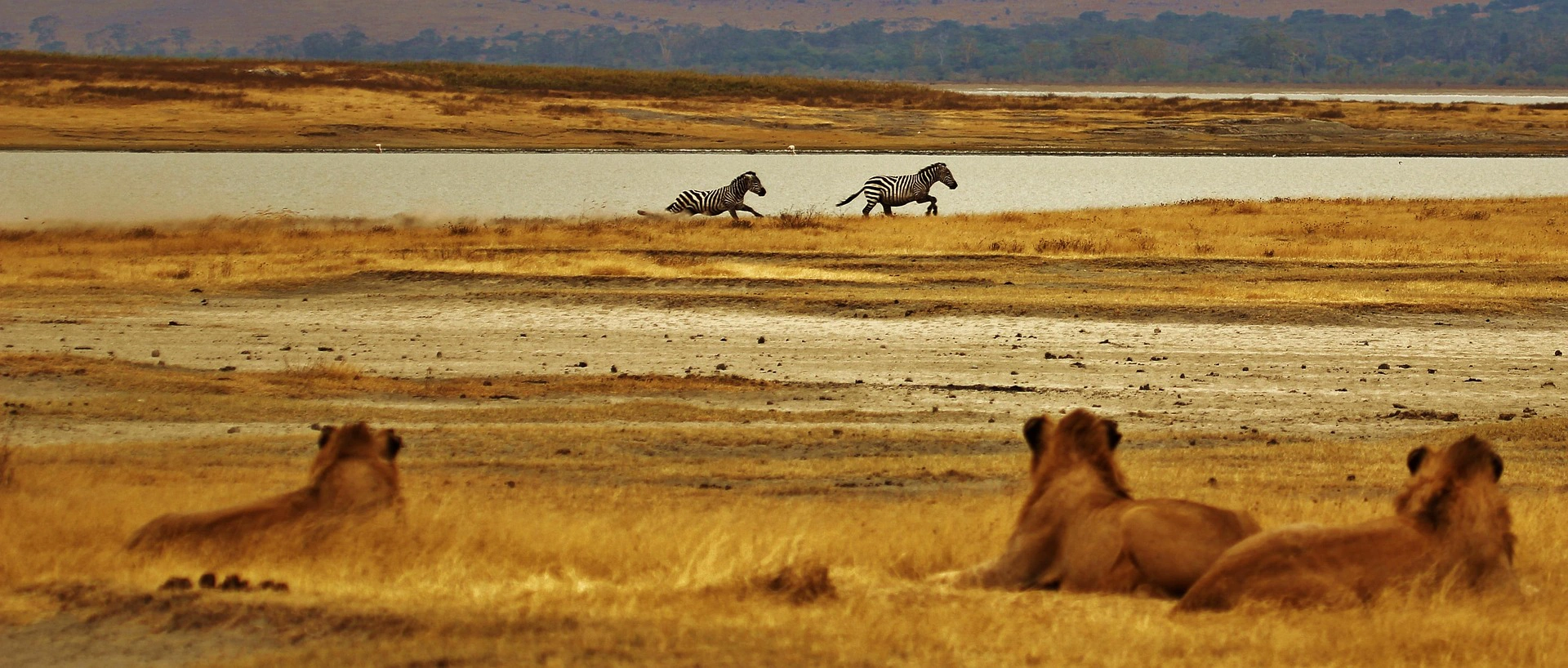
The Serengeti is a vast natural wonder in northern Tanzania, stretching as far as the eye can see. Its name comes from the Maasai word "Siringet", meaning endless plains, a fitting description for its rolling grasslands and open skies. Covering nearly 15,000 square kilometers, the Serengeti is home to Africa’s largest and most diverse wildlife populations, making it one of the world’s greatest game drive destinations.A Year-Round Wildlife ParadiseEvery season in the Serengeti offers something unique. The dry months from June to October bring incredible wildlife viewing as animals gather around scarce water sources, while the green season transforms the park into a lush haven, alive with birdlife and newborn animals. Whether you’re spotting a pride of lions in the golden morning light or watching giraffes move gracefully across the plains, the Serengeti always delivers unforgettable moments.Witness the Great Wildebeest MigrationOne of nature’s most dramatic events, the Great Migration, unfolds across the Serengeti and the Masai Mara in Kenya. Over 1.5 million wildebeest, accompanied by thousands of zebras and gazelles, move in a circular route each year in search of fresh grazing. From river crossings in the north, where crocodiles wait below, to the calving season in the southern plains, every stage of this journey tells a story of survival and resilience.
-
Ngorongoro Crater
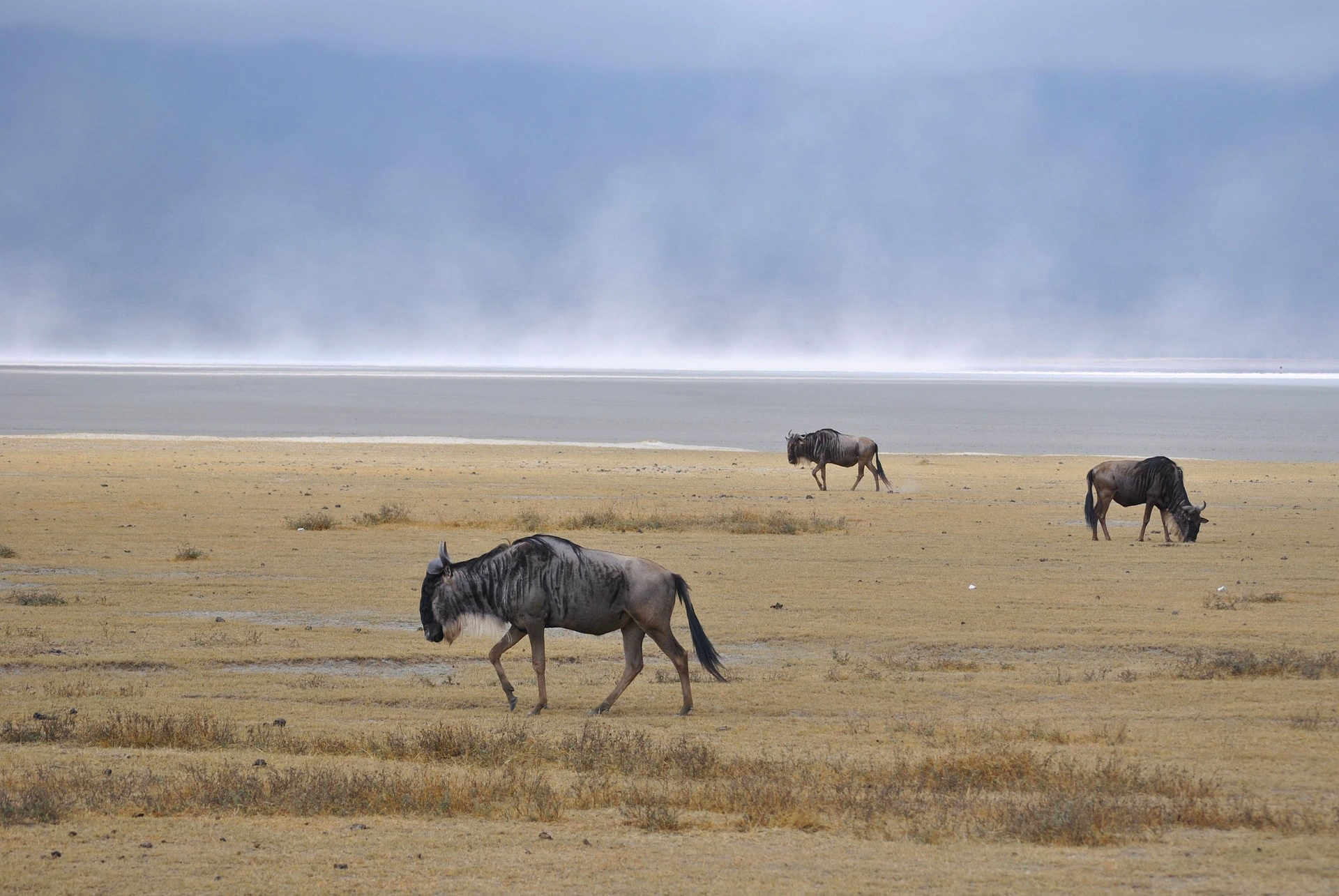
The Ngorongoro Conservation Area, a UNESCO World Heritage Site, is a unique and breathtaking natural wonder in northern Tanzania. It is home to the stunning Ngorongoro Crater, the world's largest intact and unfilled volcanic caldera. This natural enclosure provides a haven for an incredible density of wildlife, including the "Big Five" (lion, leopard, elephant, buffalo, and black rhino). The crater floor's diverse habitats, from grasslands to acacia forests, support a thriving ecosystem where visitors can witness an unparalleled concentration of animals in their natural habitat, offering a truly unforgettable safari experience.Beyond the famous crater, the Ngorongoro Conservation Area is a vast landscape of savannas, woodlands, and highland forests. This expansive area is not only a wildlife sanctuary but also a crucial site for human history and cultural heritage. It is here that the Olduvai Gorge, often called the "Cradle of Mankind," is located. This significant archaeological site has yielded some of the earliest evidence of human evolution, making it a pivotal location for understanding our origins. The conservation area's dual focus on wildlife and human heritage makes it a place of profound scientific and cultural importance.What sets the Ngorongoro Conservation Area apart is its unique model of conservation, which allows for a harmonious coexistence between wildlife and the Maasai people, who have traditionally grazed their livestock in the area for centuries. This innovative approach ensures that the land is protected for both its ecological value and its cultural significance. Visitors have the opportunity to engage with the Maasai communities, gaining insight into their traditional way of life and a deeper appreciation for the rich cultural tapestry of the region. A visit to Ngorongoro offers a powerful blend of spectacular natural beauty, incredible wildlife viewing, and a deep connection to human history and living cultures.
-
Tarangire
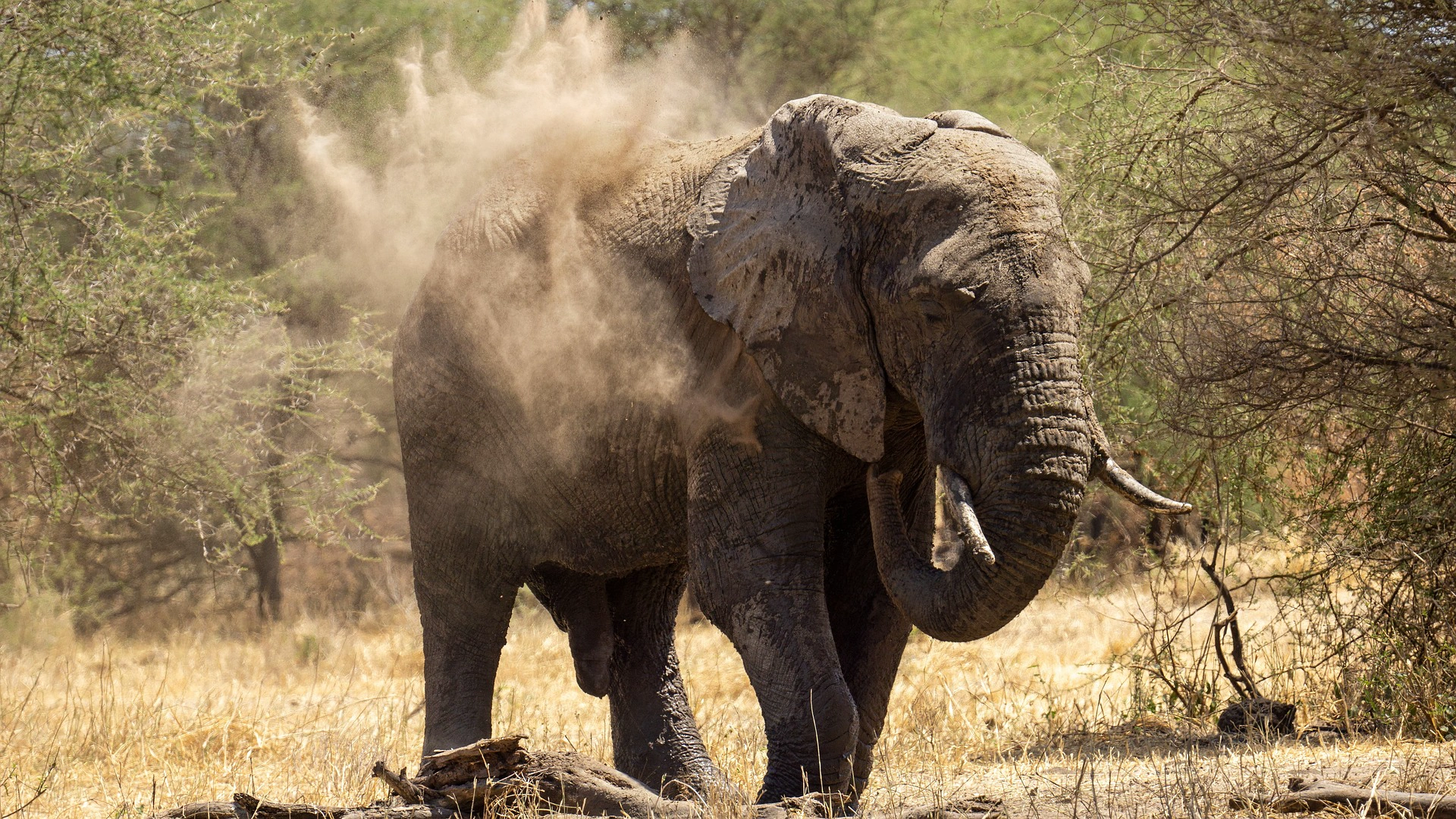
Tarangire National Park is a jewel in Tanzania's northern safari circuit, renowned for its spectacular scenery and an unparalleled concentration of wildlife. The park's landscape is a captivating mix of grassy savannas, acacia woodlands, and ancient baobab trees that stand as silent sentinels over the plains. The Tarangire River, from which the park takes its name, is its lifeblood, attracting an astonishing number of animals during the dry season. This period, from June to October, transforms the park into a magnificent spectacle as thousands of animals, including massive herds of elephants, gather along the riverbanks to drink and graze.What sets Tarangire apart is its massive elephant population, the highest concentration of elephants in any park in Tanzania. Herds of up to 300 individuals can be seen traversing the park, a truly breathtaking sight. But the park's appeal extends far beyond these gentle giants. It is also home to a diverse array of other wildlife, including lions, leopards, and cheetahs, as well as an abundance of zebras, wildebeest, buffalo, and a variety of unique antelopes like the elegant fringe-eared oryx and the long-necked gerenuk. The swamps and riverine areas also provide a sanctuary for a thriving population of hippos and other water-loving animals.For bird enthusiasts, Tarangire is nothing short of a paradise, with over 550 bird species recorded. The park's diverse habitats, from its swamps and riverbanks to its woodlands and open plains, provide a haven for both resident and migratory birds. Visitors can spot everything from the colorful yellow-collared lovebirds to the majestic bateleur eagles. Whether you're a seasoned safari-goer or embarking on your first adventure, Tarangire offers a raw and authentic African experience, a place where the grandeur of nature unfolds on a magnificent scale and provides a deep connection to the wild heart of Tanzania.
-
Lake Manyara
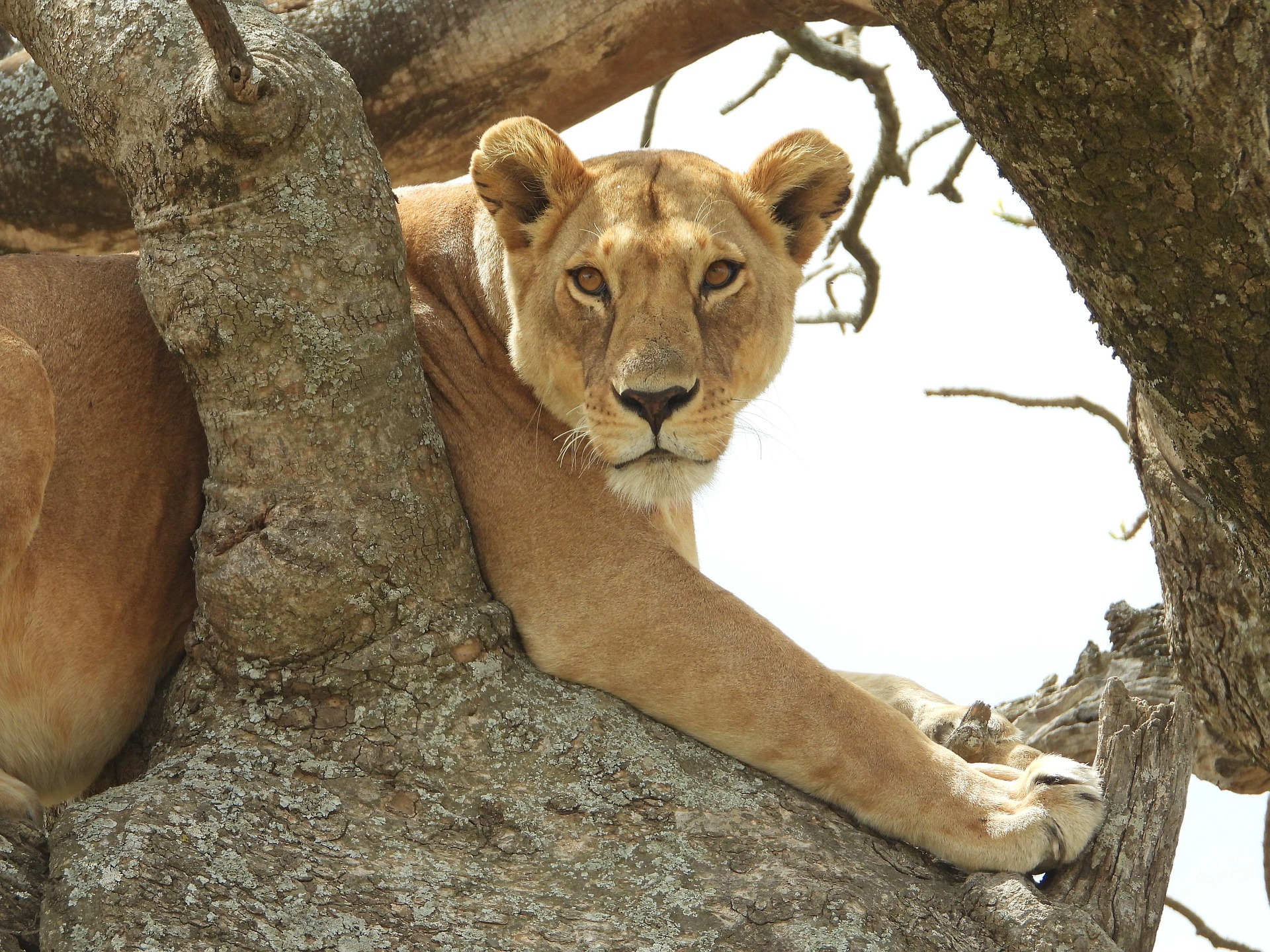
Situated beneath the magnificent cliffs of the Great Rift Valley, Lake Manyara National Park is a compact yet incredibly diverse safari destination. Often referred to as "Ernest Hemingway's loveliest park," this scenic gem offers an extraordinary variety of habitats within a small area, from the lush groundwater forests at the park's entrance to the acacia woodlands and grassy floodplains that stretch to the shores of its namesake lake. This unique ecological tapestry supports an impressive concentration of wildlife and makes for a visually stunning backdrop to any safari.The park is famous for a few unique features. Most notably, Lake Manyara is one of the only places in Africa where you can spot the rare tree-climbing lions, often found lounging languidly in the branches of acacia and sausage trees. The park also boasts one of the highest concentrations of baboons in the world, with large, active troops providing constant entertainment. Beyond the primates and felines, visitors can expect to see large herds of elephants, which the park was originally established to protect, as well as buffalo, giraffes, wildebeest, and various antelopes.Lake Manyara itself is a shallow, alkaline lake that is a major attraction, especially for birdwatching. During the wet season, the lake is a breathtaking sight, with vast flocks of pink-hued flamingos creating a vibrant spectacle on its shores. Over 400 bird species have been recorded here, making it a true birder's paradise year-round. Beyond traditional game drives, the park also offers opportunities for canoeing on the lake, walking safaris along the rift valley escarpment, and a unique treetop walkway for a bird's-eye view of the forest canopy, providing a different perspective on this remarkable park.